.jpg&width=800)





Common Sea-lavender
Limonium vulgare
Common Sea-lavender is a pretty flower that grows near the sea. It has small purple flowers that look like little clouds on tall stems. These flowers love sunny places and can be found in coastal areas.
Habitat: Coastal areas
The Common Sea-lavender has a cloud-like display of tiny, papery, lavender-purple flowers held on stiff, branched stems. Its leathery, spoon-shaped basal leaves are green and often lie flat to the ground. This creates a distinctive misty purple haze in coastal landscapes.
Category
PlantsRarity
Common
Danger
1/5 · Very low
Snaps
Be the first to snap!
Ancient cultures might have used this resilient plant for its hidden medicinal powers!
Hundreds of tiny purple flowers can make entire salt marshes look like they're glowing!
Its flowers are sometimes called 'statice,' perfect for everlasting dried bouquets!
The name 'Sea-lavender' is tricky; it's not related to true lavender plants!
Common Sea-lavender can remove excess salt from its leaves, helping it thrive in harsh, salty coastal soils.
It has tough, leathery leaves and stiff, robust stems that help it withstand strong coastal winds without damage.
Its strong, fibrous root system helps to stabilize shifting coastal sands and prevent erosion.
Apis mellifera
Visits flowers for nectar
Bombus terrestris
An important local pollinator
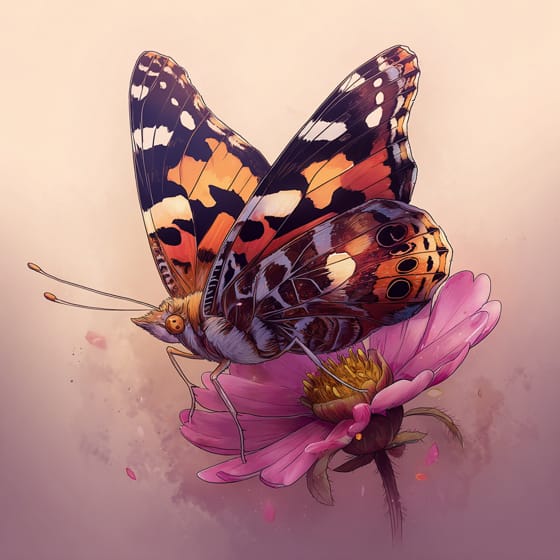
Vanessa cardui
Migratory butterfly seeking nectar
Flowering plants are any plants that produce flowers as part of their reproductive cycle.
Cluster flowers are inflorescences where individual flowers are arranged closely together on a common stem.
Summer blooming plants produce their flowers during the summer season, often providing vibrant color when many other plants have finished.
Evergreen plants retain their foliage throughout the year, never shedding all their leaves at once.
Salt tolerant plants can withstand and grow in conditions with elevated salinity levels in the soil or water.

Describes plants that are particularly attractive and beneficial to a wide range of pollinating organisms.

Coastal habitats are dynamic environments located along the interface between land and sea, influenced by tides, waves, and saltwater.

Marine habitats encompass all saltwater environments of the Earth's oceans, supporting an immense diversity of aquatic life.
No aliases listed yet.
Danger
1/5 · Very low
Always look but don't pick flowers unless you have permission.
The easiest way to identify Common Sea-lavender is to use the Snappit nature identifier app.
15-70 cm
20-60 cm
0.5-1 cm
Summer
No
None
Perennial
Zoom in to split clusters and explore where this object has been snapped.
Recent snaps will appear here as new observations are added.
Take the discovery with you
Snap it with Snappit to identify it, learn what makes it special, and add the discovery to your collection.







.jpg&width=800)



_001.jpg&width=800)



