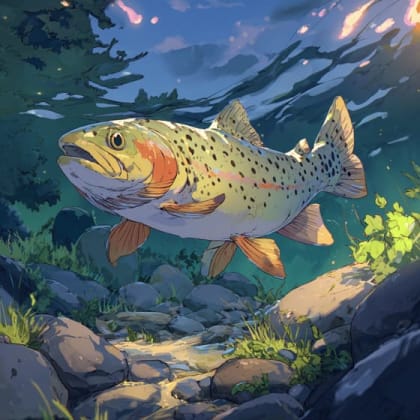
Common snook
Centropomus undecimalis
The common snook is a sleek fish found in warm waters. It has a long body and loves to swim in shallow areas near the coast, making it a favorite for fishermen and nature lovers alike.
Habitat: Coastal areas
The Common snook is a sleek, silvery-gray fish with a prominent, dark black lateral line running from gill to tail. It has a distinctive protruding lower jaw and a forked tail, making it visually stand out from other coastal fish.
Category
FishRarity
Common
Danger
2/5 · Low
Snaps
5
A snook's large mouth can create a powerful vacuum to suck in unsuspecting fish!
Baby snook all start as males and can change into females when they grow bigger!
Snook are often called "linesiders" because of the bold black line running down their silvery body!
Their name "snook" comes from their pointed snout, which helps them sniff out hidden prey!
Common snook can leap high out of the water to escape danger or dislodge fishing hooks, showing incredible acrobatic power.
Common snook can rapidly accelerate from hiding spots to ambush prey because of their streamlined bodies and powerful tails.
Common snook has special kidneys that help them live comfortably in both salty ocean water and less salty river mouths.
These stealthy hunters gobble up smaller fish and crustaceans using their vacuum-like mouths.
Age differences: Younger snook eat more crustaceans, while older, larger snook primarily hunt other fish.
Mugil cephalus
A primary prey fish for larger snook.
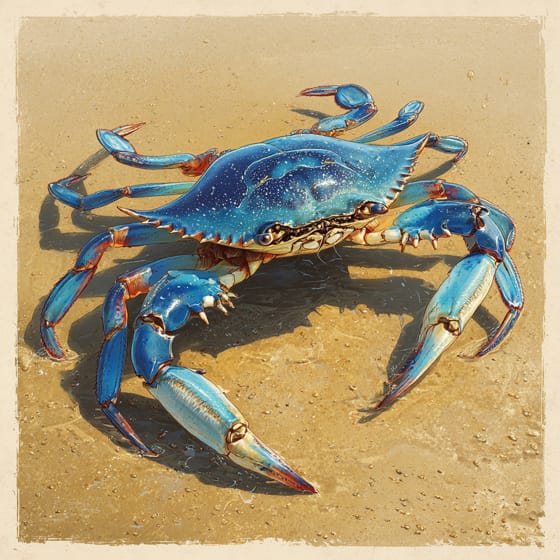
Callinectes sapidus
A common food source, especially for smaller snook.

Rhizophora mangle
Snook hide among their roots to ambush prey.
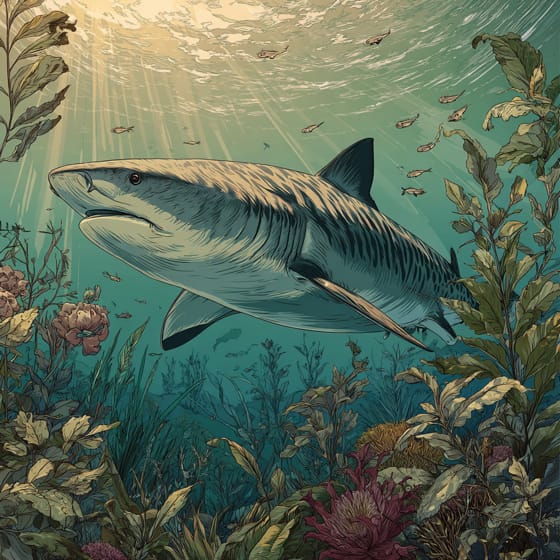
Galeocerdo cuvier
Larger sharks prey on snook in coastal waters.
Social animals live in organized groups, cooperating for survival benefits such as foraging, defense, and raising offspring.
Camouflaged describes organisms that possess coloring or patterns that allow them to blend into their environment.
Colorful describes organisms or objects displaying a wide range of bright and distinct colors.
Piscivorous organisms are animals that primarily subsist on a diet of fish.

Coastal habitats are dynamic environments located along the interface between land and sea, influenced by tides, waves, and saltwater.

Diurnal animals are primarily active during daylight hours, typically resting or sleeping at night.

This trait identifies organisms that exhibit exceptional swiftness in movement for hunting, escape, or travel.

Marine habitats encompass all saltwater environments of the Earth's oceans, supporting an immense diversity of aquatic life.
Danger
2/5 · Low
Always stay close to an adult when near water to stay safe.
The easiest way to identify Common snook is to use the Snappit nature identifier app.
50-140 cm
1-23 kg
10-20 years
These stealthy hunters gobble up smaller fish and crustaceans using their vacuum-like mouths.
35 km/h
Coastal areas
Ambush
Zoom in to split clusters and explore where this object has been snapped.

Florida, US
You might spot Crested Anole, Brown Anole, and Peters's Rock Agama.
View guide →

US
You might spot Brown Anole, Peters's Rock Agama, and Red Mangrove.
View guide →

US
You might spot Great Barracuda, Gray Snapper, and Atlantic Sergeant Major.
View guide →
Take the discovery with you
Snap it with Snappit to identify it, learn what makes it special, and add the discovery to your collection.