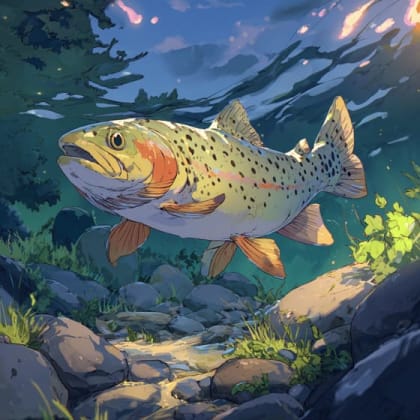


big skate
Raja binoculata
The big skate is a flat fish that glides gracefully along the ocean floor. It has a unique shape and can be found in cool waters, making it a special part of the underwater world.
Habitat: Coastal areas
The big skate has a wide, diamond-shaped body with a long, thorny tail. Its coloration varies from light brown to dark gray, often with small, pale spots and blotches that help it blend with the seafloor. It's noticeably larger than most other skates, with two large eyes on top of its head.
Category
FishRarity
Common
Danger
2/5 · Low
Snaps
Be the first to snap!
Baby skates hatch from amazing, protective egg cases!
Big skates are the largest skate species in North America!
Their eyes are on top of their head, but their mouth is underneath!
They are part of the same family as sharks and rays!
Big skate can quickly bury itself under sand because of its flat body shape that helps them ambush prey or hide from danger.
Big skate has special pores on its snout that helps them detect the tiny electrical signals given off by hidden prey like crabs.
Big skate lays its eggs in tough, leathery cases called 'mermaid's purses' that helps them protect their developing young.
The big skate is a bottom-dwelling hunter that loves to eat small fish and crunchy crustaceans!
Age differences: Young skates eat mostly small crustaceans and worms, while adults shift to larger fish and crabs.
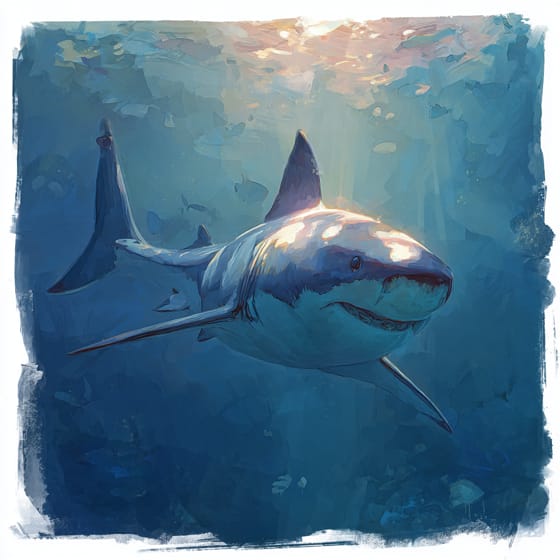
Carcharodon carcharias
Large sharks sometimes prey on big skates.
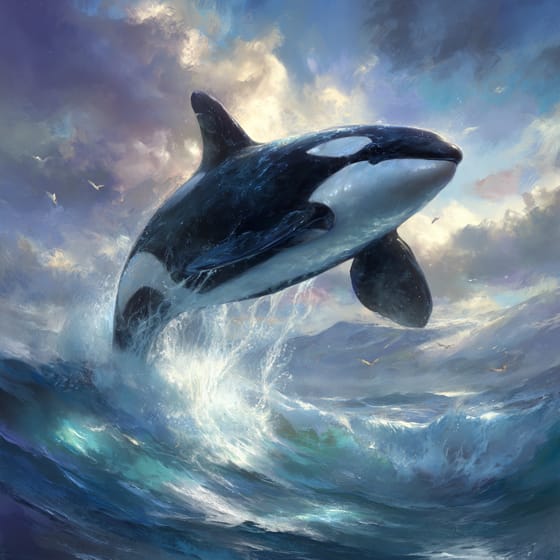
Orcinus orca
Killer whales occasionally hunt skates in coastal waters.

Cancer magister
Big skates actively hunt and eat various crab species.
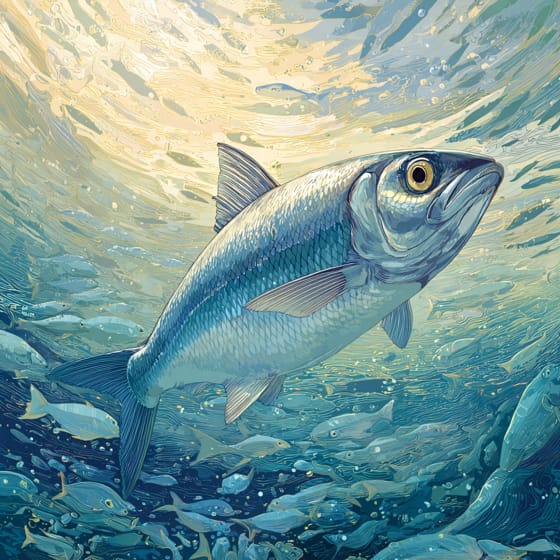
Clupea pallasii
Smaller fish like herring are a common food source.
Solitary animals live alone for most of their lives, only interacting with others for mating or parental care.
Camouflaged describes organisms that possess coloring or patterns that allow them to blend into their environment.
Gliding animals move through the air by launching themselves and maintaining flight with specialized body structures, without flapping wings.
Piscivorous organisms are animals that primarily subsist on a diet of fish.

An ambush predator hunts by patiently waiting and concealing itself, then launching a sudden attack when unsuspecting prey comes within range.

Coastal habitats are dynamic environments located along the interface between land and sea, influenced by tides, waves, and saltwater.

This trait identifies organisms whose diet consists entirely or primarily of animal tissue.

Marine habitats encompass all saltwater environments of the Earth's oceans, supporting an immense diversity of aquatic life.
Danger
2/5 · Low
If you see a skate at the beach, admire it from a distance and don't touch it.
The easiest way to identify big skate is to use the Snappit nature identifier app.
80-240 cm
10-90 kg
15-20 years
The big skate is a bottom-dwelling hunter that loves to eat small fish and crunchy crustaceans!
5 km/h
Coastal areas
Ambush
Zoom in to split clusters and explore where this object has been snapped.
Recent snaps will appear here as new observations are added.
Take the discovery with you
Snap it with Snappit to identify it, learn what makes it special, and add the discovery to your collection.