_Symphoricarpos_albus_-_Fruits_and_foliage_-_Les_Martels%2C_Giroussens_Tarn.jpg&width=800)





Common Snowberry
Symphoricarpos albus
Common Snowberry is a bushy plant that grows small, white berries. These berries are not for eating, but they look pretty and are fun to find in the wild!
Habitat: Forests
The Common Snowberry is a leafy shrub recognized by its small, oval green leaves and delicate pinkish-white, bell-shaped flowers. Its most distinctive feature is clusters of bright, pearl-like white berries that persist into winter, making it stand out against other dormant plants.
Category
PlantsRarity
Common
Danger
1/5 · Very low
Snaps
4
Its bright white berries are so unusual, they often look like tiny, perfectly round snowballs!
Native peoples once used snowberry plant parts to make a simple soap!
Stepping on a ripe snowberry can make a fun popping sound!
Though it has white berries, it's related to honeysuckle, which often has red or black berries!
Common Snowberry's white berries cling to its branches through winter, providing a crucial food source for birds when other food is scarce.
Common Snowberry can grow in many different soil types and tolerate drought, helping it survive in tough conditions.
Common Snowberry has an extensive root system that helps prevent soil erosion, keeping the ground healthy and stable.
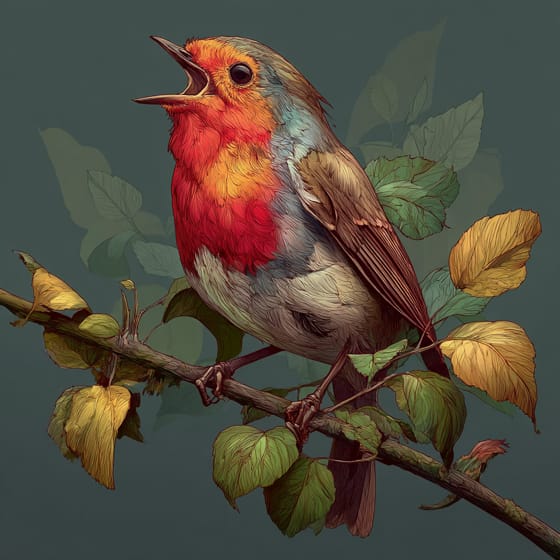
Turdus migratorius
American Robins enjoy its persistent berries, especially in winter.
Apis mellifera
Honeybees visit its small flowers for nectar and pollen.

Odocoileus virginianus
Its dense branches provide cover and shelter for small wildlife.
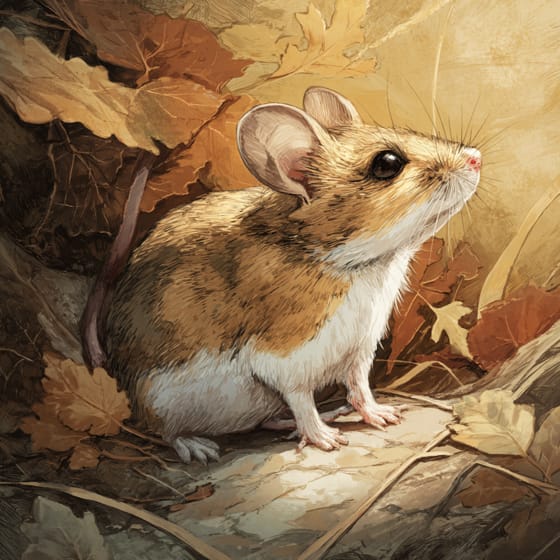
Peromyscus maniculatus
Deer mice may consume snowberry foliage and fallen berries.
Deciduous plants periodically shed all their leaves, typically during autumn or dry seasons.
Shade tolerant plants are adapted to grow and thrive in areas with low light levels, requiring less direct sunlight.
A shrub is a woody plant smaller than a tree, typically with multiple stems branching from or near the ground.
Fruit-bearing plants produce fruits, which are the mature ovaries of flowering plants containing seeds.

Fall color refers to the seasonal change in foliage pigmentation, primarily in deciduous plants, displaying vibrant hues.

Forest habitats are terrestrial environments dominated by dense tree cover, supporting a high diversity of plant and animal life.
No aliases listed yet.
Danger
1/5 · Very low
Don't eat the berries, as they are not safe for people.
The easiest way to identify Common Snowberry is to use the Snappit nature identifier app.
50-200 cm
50-200 cm
0.3-0.6 cm
Late Spring to Mid-Summer
No
Mild
Perennial
Zoom in to split clusters and explore where this object has been snapped.

Washington, US
You might spot Pacific Banana Slug and Oregon Forestsnail.
View guide →

Washington, US
You might spot Rock Pigeon, American Crow, and Pigeon Guillemot.
View guide →

Montana, US
You might spot Sticky Geranium, White-Tailed Deer, and Common Toadflax.
View guide →

Washington, US
You might spot Western Skunk Cabbage, Thimbleberry, and Barred Owl.
View guide →
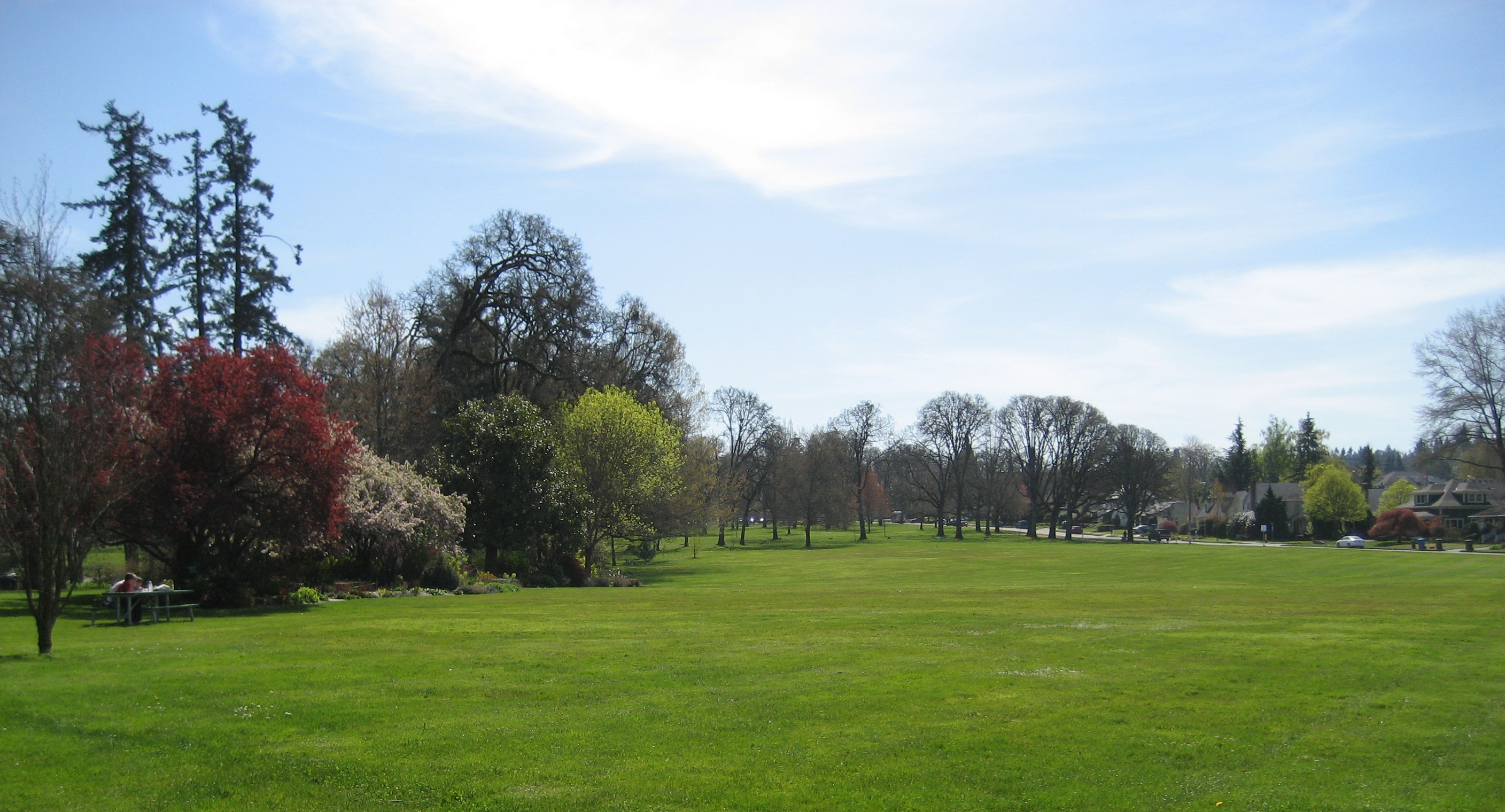
Oregon, US
You might spot Oregon Oak and Douglas's Ground Squirrel.
View guide →
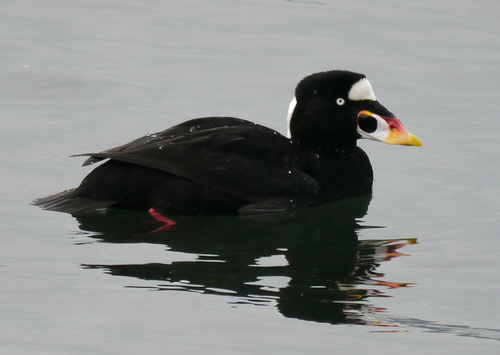
Washington, US
You might spot Surf Scoter, Eastern Cottontail, and Rugosa Rose.
View guide →
Take the discovery with you
Snap it with Snappit to identify it, learn what makes it special, and add the discovery to your collection.







.jpg&width=800)



_001.jpg&width=800)



