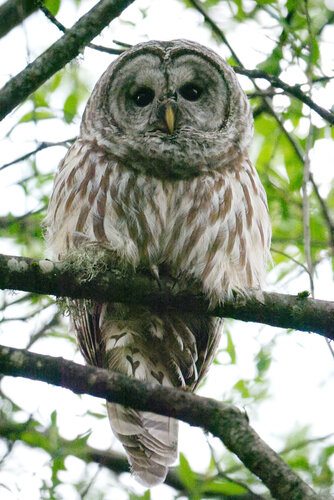
Barred Owl

Union Bay Natural Area is a restored urban oasis, offering a vibrant natural escape within Seattle.
Union Bay Natural Area is a restored urban oasis, offering a vibrant natural escape within Seattle. This 74-acre public wildlife area serves as a natural restoration laboratory and an important habitat nestled beside Lake Washington, managed by the University of Washington Botanic Gardens. Formerly known as the "Montlake Fill," it's celebrated for its diverse microhabitats that attract a remarkable array of resident and migratory birds, with over 200 species recorded.
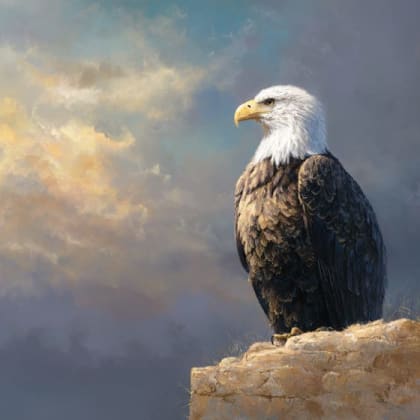
The natural area boasts a rich tapestry of habitats, including grasslands, lush riparian vegetation, serene marshes, various ponds (notably Shoveler's Pond), wooded sections, and a fascinating sample prairie, all bordering four miles of Lake Washington shoreline. Visitors can spot magnificent Great Blue Herons stalking the shallows, hear the distinctive calls of Red-winged Blackbirds, and witness the soaring grace of Bald Eagles and Ospreys. Look for colorful waterfowl like Wood Ducks and Hooded Mergansers, along with zippy Rufous and Anna's Hummingbirds, and even elusive American Bitterns. Beyond birds, the area is home to fascinating mammals such as beavers and river otters, and reptiles like turtles and frogs.
Visiting Union Bay Natural Area offers a unique opportunity to connect with nature, feeling far removed from the city bustle despite its central location. It’s an exceptional spot for birdwatching and nature photography, providing a chance to observe wildlife up close, largely due to the birds becoming accustomed to people. This living laboratory not only provides quiet contemplation and educational insights into successful ecological restoration but also creates lasting memories of Seattle’s wild side. Planning to visit? Download the Snappit app to identify the wildlife you spot in real-time.
The Union Bay Natural Area has a compelling history rooted in dramatic environmental transformation. The land, once part of a peat marsh, underwent significant change when Lake Washington was lowered in 1916, exposing vast areas. From 1911 to 1966, this site became Seattle's primary municipal solid waste disposal area, widely known as the "Montlake Landfill" or "Montlake Dump." Following its closure in 1966, the landfill was capped with clay and a layer of soil, with final grading completed by 1971. The University of Washington, which owns the property, recognized its potential and envisioned its restoration as part of the Center for Urban Horticulture, serving as an outdoor laboratory for teaching, research, and public engagement. Large-scale ecological restoration efforts began around 1998 and continue to this day, transforming the former dump into the vibrant wetland and wildlife sanctuary it is now.
Engage in birdwatching, wildlife photography, and tranquil walks on the extensive network of trails. Look for beavers and otters near the water, and turtles basking in the sun. Enjoy the views of Lake Washington and appreciate the ongoing ecological restoration.
Spring: Witness early migrants, warblers, and lingering winter waterfowl.
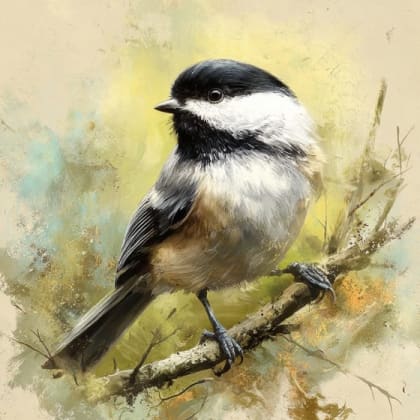
Summer: Spot Bald Eagles, Ospreys, Red-winged Blackbirds, Great Blue Herons, swallows, and chickadees.
Fall/Winter: Excellent for observing a wide variety of waterfowl.
The natural area is very accessible, featuring gentle terrain and well-maintained crushed limestone and hard-packed gravel paths. Boardwalk trails, such as those in Yesler Swamp, provide easy navigation for strollers, wheelchairs, and mobility scooters, making it an ADA-accessible destination. Wheelchair accessible parking is available at the Center for Urban Horticulture.
The rich diversity of bird species (over 200 recorded), including the iconic Great Blue Heron and various raptors and waterfowl, is a primary draw. Key areas include the scenic Loop Trail, the tranquil Shoveler's Pond, and the fascinating Yesler Swamp. The area's diverse microhabitats—from marshland to prairie and woods—offer continuous discovery.
Each card links to a full Explore page with photos, traits, and fun facts.
Start with the big picture, then zoom in to explore individual wildlife observations around this place.
Go early
** Visit in the early morning or late afternoon for the best chances to observe active wildlife and avoid crowds.
Bring optics
Pack binoculars for enhanced birdwatching and a camera with a good zoom lens for photography.
Stay on trails
Always stick to the designated paths to protect sensitive habitats and avoid disturbing nesting birds or other animals.
Dress appropriately
Wear comfortable walking shoes, and bring layers of clothing. A windbreaker is often useful, even on milder days, as the area can be exposed.
Parking
Free parking is available at the Center for Urban Horticulture (3501 NE 41st St, Seattle), which provides convenient access to the natural area.
Check university schedule
Avoid visiting on University of Washington football Saturdays, as parking can become extremely difficult and congested.
Apr 25, 2026
Photo attribution
(c) Tuoichen, some rights reserved (CC BY)
License: CC BY 4.0 ↗
Image may be shown cropped inside the card frame.
Mar 7, 2026
Photo attribution
(c) Tyra Sorensen, some rights reserved (CC BY)
License: CC BY 4.0 ↗
Image may be shown cropped inside the card frame.
Jun 10, 2026
May 30, 2026
May 23, 2026

Maryland, US
You might spot White-Tailed Deer and Eastern Gray Squirrel.
View guide →
.jpg)
District of Columbia, US
You might spot Eastern Gray Squirrel, Duck, and House Sparrow.
View guide →

Illinois, US
You might spot American Robin, Canada Goose, and House Sparrow.
View guide →

Virginia, US
You might spot Spotted Lanternfly and Northern Cardinal.
View guide →
Take the discovery with you
Identify the wildlife you spot, learn as you go, and keep a collection of the adventure.