





Apache plume
Fallugia paradoxa
The Apache plume is a beautiful shrub with fluffy white flowers that turn into feathery seed heads. It grows in dry areas and is a special plant that helps the soil stay healthy.
Habitat: Desert
The Apache plume is a shrub with many slender, reddish-brown branches and small, lobed green leaves. It produces abundant white, rose-like flowers with yellow centers, followed by striking fluffy, feathery seedheads that give it a distinctive plume-like appearance.
Category
PlantsRarity
Common
Danger
1/5 · Very low
Snaps
10
It's part of the rose family but stands out by having no thorns!
Its beautiful blooms can appear any time from spring until the first frost!
Native American tribes historically used its strong branches for weaving baskets.
Those fluffy white "plumes" are actually the feathery tails attached to its seeds!
Apache plume has small, tough leaves that help it conserve water in dry desert environments, allowing it to thrive where others struggle.
Apache plume can produce feathery seed plumes that act like tiny parachutes, helping its seeds float away on the wind to new locations.
Apache plume has a strong root system that anchors it in rocky soils, allowing it to access deep water and resist erosion.
Apis mellifera
Collects nectar and pollen from its flowers.
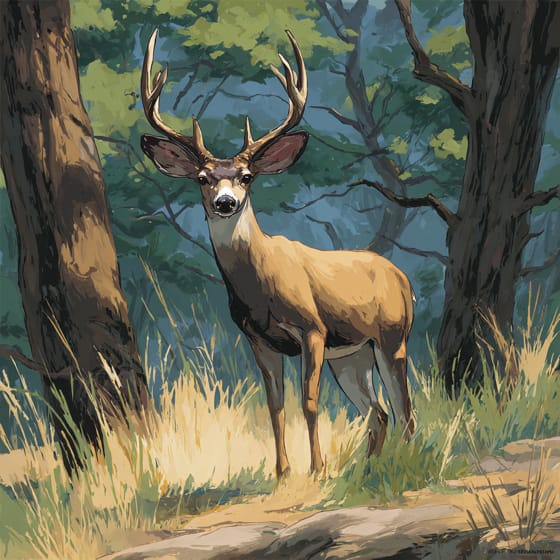
Odocoileus hemionus
Browses its leaves and twigs.
.jpg&width=800)
Selasphorus rufus
Visits flowers for nectar.

Sylvilagus audubonii
Feeds on the plant's foliage.
Flowering plants are any plants that produce flowers as part of their reproductive cycle.
A shrub is a woody plant smaller than a tree, typically with multiple stems branching from or near the ground.
Fragrant flowers emit a pleasant aroma, often to attract pollinators or for defense.
Drought-tolerant plants can survive and flourish in conditions with limited water availability.

Describes plants that are particularly attractive and beneficial to a wide range of pollinating organisms.

Desert habitats are arid regions characterized by extremely low precipitation and often extreme temperatures, supporting specialized flora and fauna.
No aliases listed yet.
Danger
1/5 · Very low
Always look but don't touch plants unless you know they are safe.
The easiest way to identify Apache plume is to use the Snappit nature identifier app.
100-200 cm
100-200 cm
2-3 cm
Late Spring to Early Fall
No
None
Perennial
Zoom in to split clusters and explore where this object has been snapped.

New Mexico, US
You might spot Tree Cholla, Colorado Pinyon, and House Finch.
View guide →

Arizona, US
You might spot Yarrow's Spiny Lizard and Mexican Jay.
View guide →

New Mexico, US
You might spot Duck, Greater Roadrunner, and American Robin.
View guide →

New Mexico, US
You might spot Wood Duck, Duck, and Canada Goose.
View guide →

New Mexico, US
You might spot Sand Tiger Shark and Zebra Shark.
View guide →

New Mexico, US
You might spot Tree Cholla, Colorado Pinyon, and Apache Plume.
View guide →
Take the discovery with you
Snap it with Snappit to identify it, learn what makes it special, and add the discovery to your collection.








.jpg&width=800)


_001.jpg&width=800)




