





Common Spotted Orchid
Dactylorhiza fuchsii
The Common Spotted Orchid is a beautiful flower that grows in grassy places. It has lovely purple and white spots that make it stand out in nature.
Habitat: Grasslands
The Common Spotted Orchid has tall, erect stems topped with dense spikes of pink-purple flowers, each intricately patterned with darker spots and lines. Its lance-shaped leaves often feature distinctive dark purple spots, making it stand out from plain-leaved plants.
Category
PlantsRarity
Common
Danger
1/5 · Very low
Snaps
Be the first to snap!
It can grow in many places, from sunny meadows to shady woods!
Its seeds are microscopic, needing special fungi just to sprout!
People once used its starchy roots to make a warm, nutritious drink.
The distinctive spots on its leaves often vary, like a plant's fingerprint!
Common Spotted Orchid has special roots that team up with fungi to get vital nutrients from the soil, helping it grow strong.
This orchid tricks insects into pollinating by offering no nectar, making them visit more flowers in search of a reward.
Common Spotted Orchid produces incredibly tiny, dust-like seeds that are carried far by the wind to find new places to sprout.
Bombus terrestris
Visits flowers, unknowingly carrying pollen to other orchids.
Tulasnella calospora
Its seeds require this fungus to germinate and grow.
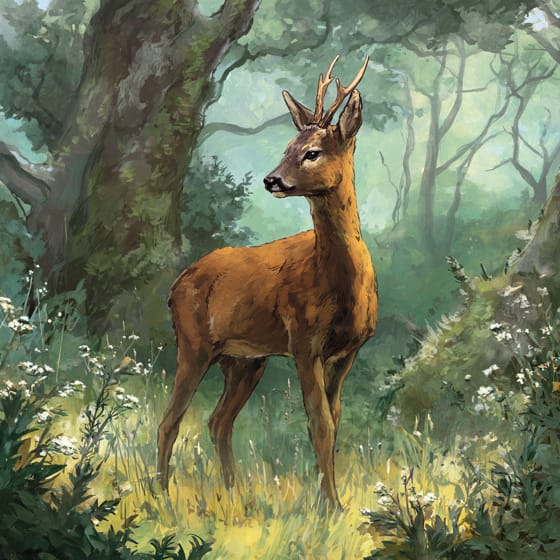
Capreolus capreolus
May browse on its leaves and flower spikes in its habitat.
Marked with spots or patches of a different color.
Aromatic plants produce and emit fragrant volatile organic compounds, often for defense or to attract pollinators.
Flowering plants are any plants that produce flowers as part of their reproductive cycle.
Spring blooming plants produce their flowers during the spring season, often signifying the end of winter and the start of new growth.

Summer blooming plants produce their flowers during the summer season, often providing vibrant color when many other plants have finished.

Fragrant flowers emit a pleasant aroma, often to attract pollinators or for defense.

Grassland habitats are terrestrial biomes dominated by grasses and herbaceous plants, supporting a variety of grazing animals.

Describes plants that are particularly attractive and beneficial to a wide range of pollinating organisms.
No aliases listed yet.
Danger
1/5 · Very low
Always look but don't pick flowers, so they can keep growing for everyone to enjoy.
The easiest way to identify Common Spotted Orchid is to use the Snappit nature identifier app.
15-60 cm
5-10 cm
1-2 cm
Late Spring to Summer
Yes
None
Perennial
Zoom in to split clusters and explore where this object has been snapped.
Recent snaps will appear here as new observations are added.
Take the discovery with you
Snap it with Snappit to identify it, learn what makes it special, and add the discovery to your collection.








.jpg&width=800)


_001.jpg&width=800)




