





Common Tan Wave
Pleuroprucha insulsaria
The Common Tan Wave is a small, colorful moth that flutters around at night. It has beautiful tan and brown patterns on its wings, making it look like a tiny piece of art in nature!
Habitat: Forests
The Common Tan Wave is a small, pale tan moth with delicate, wavy brown lines crossing its wings, giving it a subtle, rippled appearance. Its hindwings are slightly paler than its forewings, helping it blend seamlessly into natural backgrounds.
Category
InsectsRarity
Common
Danger
1/5 · Very low
Snaps
3
Did you know moths often have fuzzy bodies to help them stay warm during cool nights?
Its caterpillars look like twigs, wiggling to blend in with branches!
Many moths, like this one, have a tongue longer than their own body for sipping nectar!
This moth belongs to a family nicknamed 'inchworms' because of their looping caterpillar movement!
The Common Tan Wave has wing patterns that perfectly mimic lichen and tree bark, helping them vanish from sight to avoid hungry predators.
Common Tan Wave can fly expertly in darkness, guided by its keen antennae and compound eyes to find mates and food under the moonlight.
Common Tan Wave can release and detect pheromones over long distances, allowing them to find a mate even in vast natural areas.
Adults sip flower nectar; caterpillars munch on various tree leaves.
Age differences: Caterpillars consume leaves, while adults exclusively drink nectar.
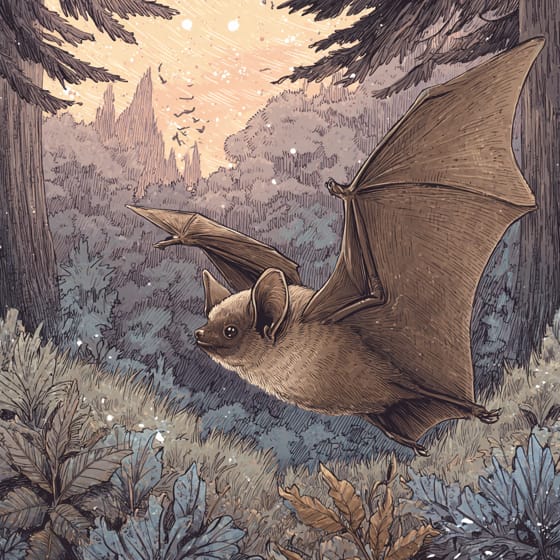
Myotis lucifugus
Moths are a common food source for these nocturnal hunters.
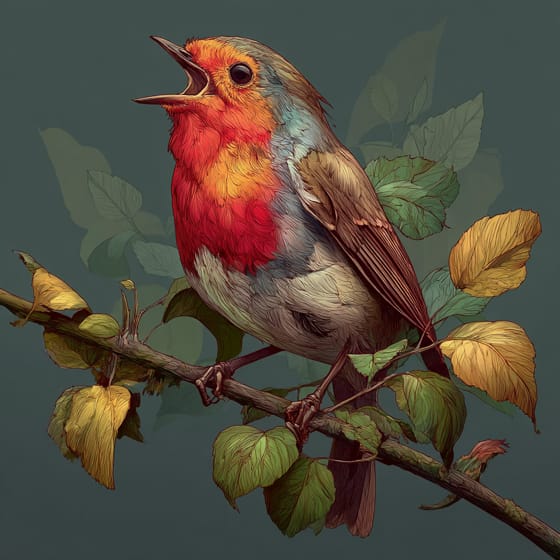
Turdus migratorius
Birds prey on both adult moths and their caterpillars.
Quercus rubra
Its caterpillars primarily feed on the leaves of oak trees.
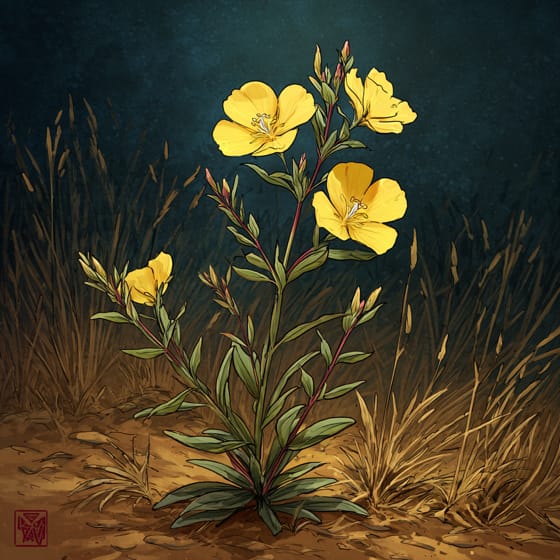
Oenothera biennis
As adults sip nectar, they transfer pollen between flowers.
Solitary animals live alone for most of their lives, only interacting with others for mating or parental care.
Camouflaged describes organisms that possess coloring or patterns that allow them to blend into their environment.
Colorful describes organisms or objects displaying a wide range of bright and distinct colors.
This trait characterizes organisms whose diet consists entirely or primarily of plant material.

Forest habitats are terrestrial environments dominated by dense tree cover, supporting a high diversity of plant and animal life.

Nocturnal animals are primarily active during the nighttime hours, typically resting or sleeping during the day.

Describes organisms that transfer pollen, enabling the fertilization and reproduction of plants.
No aliases listed yet.
Danger
1/5 · Very low
Don't touch moths, as they can be delicate and might fly away quickly!
The easiest way to identify Common Tan Wave is to use the Snappit nature identifier app.
25-40 mm
10-20 mm
7-21 days
Adults sip flower nectar; caterpillars munch on various tree leaves.
Forests
Foraging
6
Zoom in to split clusters and explore where this object has been snapped.
Take the discovery with you
Snap it with Snappit to identify it, learn what makes it special, and add the discovery to your collection.




.jpg&width=800)





.jpg&width=800)


