Snow Leopard

Rolling Hills Zoo offers an unforgettable journey into the animal kingdom and beyond.
Rolling Hills Zoo offers an unforgettable journey into the animal kingdom and beyond. This AZA-accredited institution in Salina, Kansas, is home to over 100 species, housed in naturalistic habitats that emphasize conservation and education. Beyond its vibrant animal collection, the zoo distinguishes itself with an extraordinary Wildlife Museum, making it a truly unique destination that combines living wildlife with world-class natural history exhibits.
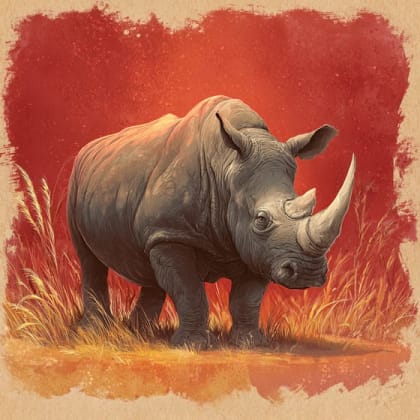
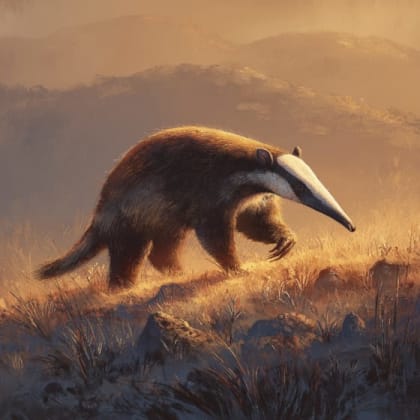
Visitors can marvel at magnificent big cats like the Amur Leopard and Snow Leopard, observe the impressive White Rhinoceros, or be captivated by the playful antics of Chimpanzees and the unique appearance of the Giant Anteater and Aardvark. The zoo's immersive exhibits, such as the "Pride of the Prairie" for African Lions and the "Kids Country" petting zoo, provide diverse experiences, while the Wildlife Museum transports guests across seven global ecosystems through stunning dioramas featuring over 500 full-mount specimens and animatronics.
More than just an animal park, Rolling Hills Zoo is a hub for discovery, encouraging visitors to connect with wildlife and understand the importance of biodiversity. Whether exploring the outdoor trails, engaging with interactive museum displays, or participating in seasonal educational programs, guests of all ages will find an enriching and memorable experience that sparks curiosity and inspires a passion for wildlife conservation. Take the ultimate field guide with you: use the Snappit app to identify birds, plants, and animals on your trip.
The story of Rolling Hills Zoo began in the early 1980s when Salina businessman Charlie Walker established Rolling Hills Ranch, initially housing Belgian horses. The ranch soon gained local popularity, especially with schoolchildren visiting to learn about the draft horses. In the late 1980s, Walker introduced exotic animals like black bear cubs, llamas, and a lioness, which significantly increased public interest and visits, signaling the community's desire for a wildlife park. In 1995, the exotic animal section officially separated from the ranch, forming the Rolling Hills Refuge Wildlife Conservation Center, a non-profit foundation dedicated to species conservation. After five years of extensive construction, the zoo welcomed its first visitors in the fall of 1999. The vision expanded further in 2000 with the development of a 64,000-square-foot Wildlife Museum, which opened in March 2005, offering an immersive journey through global ecosystems. In 2009, the park officially adopted the name Rolling Hills Wildlife Adventure, later commonly known as Rolling Hills Zoo.
Explore the diverse animal habitats, take a deep dive into global ecosystems at the Wildlife Museum, and engage with educational Keeper Chats offered during summer. Participate in special events like "Toddler Tuesday" or "Sunset Stroll" for unique experiences. Consider a narrated tram ride for a comprehensive overview of the zoo, available seasonally.
Hours: Peak season (March to October) hours are typically 9 AM - 5 PM. Off-season (November to March) hours are generally 10 AM - 4 PM.
Closures: The zoo is closed on Thanksgiving Day, Christmas Eve, Christmas Day, and New Year's Day.
Trams: Tram service runs on Saturdays and Sundays from mid-March to Memorial Day, and then daily from Memorial Day through Labor Day. There is no tram service during the winter months.
Events: Summer is packed with activities including various summer camps, "Toddler Tuesday" (first Tuesday of each month and every Tuesday in June & July), and "Walkabout Wednesday" (every Wednesday in June & July).
Rolling Hills Zoo is a KultureCity® Sensory Inclusive™ Certified facility, ensuring a welcoming environment for all guests. It offers accessible parking, ramps, restrooms, and paved trails. Mobility scooters and wheelchairs are available for rent, and service animals are permitted. Free sensory bags are provided, and quiet areas and a dedicated quiet room are available.
Don't miss the "Pride of the Prairie" African Lion habitat, the majestic White Rhinoceros, the playful Chimpanzees, and the elusive Snow Leopards. The Wildlife Museum, with its seven immersive ecosystem dioramas and animatronic figures, is a standalone attraction, offering a unique educational experience that complements the living animal collection. "Kids Country" provides interactive experiences with farm animals like goats, sheep, and llamas.
Each card links to a full Explore page with photos, traits, and fun facts.
Start with the big picture, then zoom in to explore individual wildlife observations around this place.
Optimize your visit time
For the most active animals, especially big cats, visit during the cooler parts of the day in Spring or Fall. Consider an early morning "Walkabout Wednesday" during summer for a quieter experience.
Plan for both attractions
Allocate sufficient time for both the zoo and the Wildlife Museum, as both offer extensive and unique experiences. About half a day is recommended.
Utilize tram services
If visiting during peak season (Memorial Day to Labor Day), consider taking a tram ride for a comfortable and narrated tour, helping to cover the 60-acre grounds.
Accessibility resources
If you or a family member has sensory needs, ask for a free KultureCity sensory bag at admission, and be aware of the designated quiet areas and quiet room. Wheelchairs and scooters are also available for rent.
Pack a picnic
Outside food and drinks are permitted, and the zoo provides picnic areas, which can be a budget-friendly option. The Overlook Restaurant also offers various food options.
Pet daycare
If traveling with pets, the zoo offers a free pet daycare service. It's advisable to call ahead for more information and to confirm availability.
May 16, 2026
May 14, 2026
May 10, 2026
May 10, 2026
May 10, 2026

Michigan, US
You might spot African Lion, Komodo Dragon, and Brown Bear.
View guide →
.jpg)
Municipal District of Cobh, IE
You might spot Ring-Tailed Lemur, Giraffes, and Cheetahs.
View guide →

Nouvelle-Aquitaine, FR
You might spot Greater Flamingo, Giraffes, and Red Panda.
View guide →

Texas, US
You might spot Giraffes, African Lion, and Eastern Black Rhinoceros.
View guide →
Take the discovery with you
Identify the wildlife you spot, learn as you go, and keep a collection of the adventure.