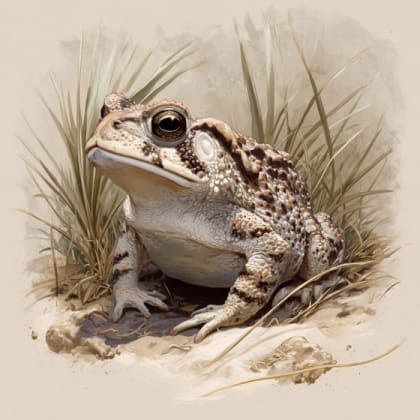
Eastern Box Turtle

Step into a living museum of American history and architectural splendor.
Step into a living museum of American history and architectural splendor. The Southampton Village Historic District offers a captivating glimpse into centuries of rich heritage, preserving the elegant charm of one of New York's oldest English settlements. This district is not merely a collection of old buildings, but a meticulously preserved landscape where every street and structure tells a story of colonial beginnings, Gilded Age grandeur, and enduring community spirit.
Visitors can explore a remarkable array of historical treasures, including the expansive Southampton Historical Museum complex, which features the magnificent 1834 Rogers Mansion and a collection of 12 other period structures like a one-room schoolhouse and colonial barn. Stroll past the venerable Thomas Halsey Homestead, New York's oldest English-style wood-frame house dating back to 1648, and discover the quaint Pelletreau Silver Shop, established by a colonial silversmith in 1686. Wander along iconic streets like Main Street and Jobs Lane, admiring the diverse architectural tapestry of elegant Victorian, Colonial Revival, and Shingle Style homes that define the district's unique character.
Beyond its architectural marvels, the district offers charming green spaces such as Agawam Park, with its picturesque pond and landscaped gardens, providing tranquil spots for reflection amidst the historical backdrop. Cultural institutions like the Southampton Arts Center, housed in the historic Village Hall, enrich the experience with dynamic exhibitions and performances. This carefully preserved district provides a unique opportunity to immerse oneself in a bygone era, making it an unforgettable destination for history buffs and architecture enthusiasts alike. Take the ultimate field guide with you: use the Snappit app to identify birds, plants, and animals on your trip.
The Village of Southampton holds the distinction of being the first permanent English settlement in the State of New York, founded in 1640 by a small group of English Puritans who landed at Conscience Point. Incorporated as a village in 1894, it was named after the British Earl of Southampton. The early settlers established their "plantation" at the head of Old Town Pond, and with the assistance of the Shinnecock Indian tribe, they learned vital skills for cultivating the land and harvesting marine resources. During the 18th and 19th centuries, the local economy revolved around fishing, farming (notably Long Island Potatoes and sweet corn), and duck-raising. The arrival of the Long Island Rail Road in 1872 marked a significant turning point, drawing wealthy New Yorkers seeking respite from the city. This influx initiated a building boom of large estates, transforming Southampton into the renowned resort community it remains today, while meticulously preserving its historic core. The Southampton Village Historic District itself was listed on the National Register of Historic Places in 1988, with its boundaries expanded in 1993 and again more recently to include post-war buildings up to 1954, underscoring its continuous historical significance.
Take a self-guided walking tour to admire the diverse architectural styles, visit the historical museums, browse the shops and galleries on Jobs Lane and Main Street, or simply relax in Agawam Park.
Summer offers a vibrant atmosphere with many events and open attractions. Fall provides beautiful foliage and a quieter, more reflective experience.
The Southampton Historical Museum (Rogers Mansion) has ramp access to the main mansion, and the first floor is wheelchair accessible. However, the second floor is only accessible by stairs, and many of the outlying historical buildings have steps and are surrounded by brick and gravel paths, which may limit full wheelchair accessibility. Public restrooms are not available at the museum.
Explore the 1834 Greek Revival mansion, period rooms, and a collection of 12 other historic structures, including a one-room schoolhouse and colonial barn.
Visit New York's oldest English-style wood-frame house, built in 1648, offering a rare glimpse into early American architecture.
Discover this 1686 shop, once operated by a renowned colonial silversmith.
Enjoy the serene beauty of landscaped gardens and a picturesque pond in the heart of the village.
Each card links to a full Explore page with photos, traits, and fun facts.
Start with the big picture, then zoom in to explore individual wildlife observations around this place.
Wear comfortable shoes
The best way to experience the district is by walking its charming streets and exploring the various sites.
Start at the Southampton Historical Museum: This complex offers a comprehensive overview of the village's history and serves as an excellent starting point for deeper exploration.
Plan your route
With several historic homes and cultural sites, reviewing a map and prioritizing your interests will help you make the most of your visit.
Visit during off-peak times if possible
To avoid crowds, consider visiting outside of the Memorial Day to Labor Day peak season, or during weekdays.
Look for architectural details
Many of the historic homes boast intricate craftsmanship and unique features; take time to appreciate these historical elements.
Check for local events
The Southampton Arts Center and other venues often host events, festivals, and performances that can enhance your visit.
Jun 4, 2026
Jun 2, 2026
Jun 2, 2026
May 27, 2026
May 27, 2026

Maryland, US
You might spot White-Tailed Deer and Eastern Gray Squirrel.
View guide →
.jpg)
District of Columbia, US
You might spot Eastern Gray Squirrel, Duck, and House Sparrow.
View guide →

Illinois, US
You might spot American Robin, Canada Goose, and House Sparrow.
View guide →

Virginia, US
You might spot Spotted Lanternfly and Northern Cardinal.
View guide →
Take the discovery with you
Identify the wildlife you spot, learn as you go, and keep a collection of the adventure.