_Vicia_sativa.jpg&width=800)




Common Vetch
Vicia sativa
Common Vetch is a climbing plant with pretty purple flowers. It grows in fields and gardens, making the world a little brighter and helping the soil stay healthy.
Habitat: Grasslands
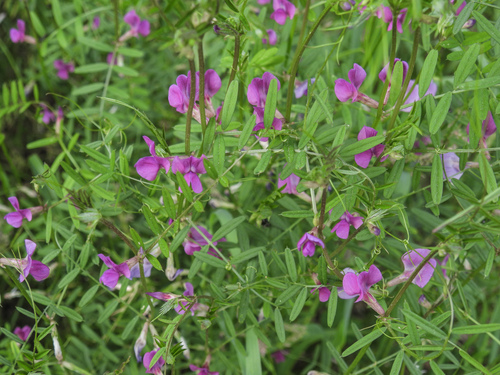
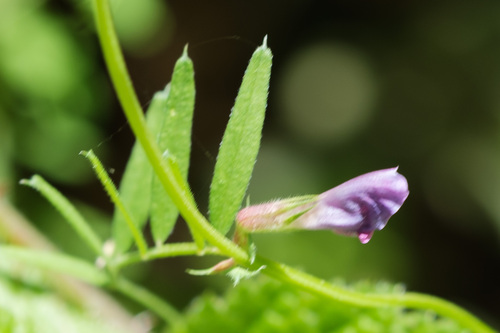
The Common Vetch has vibrant purple, sometimes pink or white, pea-like flowers, often growing in pairs from leaf axils. Its slender, sprawling stems use tiny coiling tendrils to climb, making it look different from many upright wildflowers.
Category
PlantsRarity
Common
Danger
1/5 · Very low
Snaps
9
Even some pigeons and other birds love to eat the tasty, protein-rich seeds of the Common Vetch.
Farmers plant Common Vetch to feed their animals, like cows and sheep, because it's so nutritious!
People have grown Common Vetch for thousands of years, even as far back as ancient Egypt!
This plant is a 'pioneer' that can grow in poor soil, helping other plants thrive there too!
Common Vetch can climb using its curly tendrils to latch onto other plants for sunlight and support.
Common Vetch's ripe seed pods can explosively twist open, flinging seeds a short distance away.
Apis mellifera
collects nectar and pollen
Rhizobium leguminosarum
fixes atmospheric nitrogen for the plant
Ovis aries
cultivated as nutritious fodder
Bombus terrestris
visits flowers for nectar
Climbing or vine plants are characterized by a growth habit that allows them to ascend upwards by twining, tendrils, or adhesive roots.
Flowering plants are any plants that produce flowers as part of their reproductive cycle.
Describes organisms capable of converting atmospheric nitrogen into compounds usable by plants.
This human use trait describes species cultivated or domesticated by humans for agricultural purposes, including crops and livestock.

Edible plants are those parts of a plant that are considered safe for human consumption.

Grassland habitats are terrestrial biomes dominated by grasses and herbaceous plants, supporting a variety of grazing animals.

Describes plants that are particularly attractive and beneficial to a wide range of pollinating organisms.

Describes a relationship between two different species where they live in close association, often benefiting one or both.
No aliases listed yet.
Danger
1/5 · Very low
Always check with an adult before touching or eating any plants.
The easiest way to identify Common Vetch is to use the Snappit nature identifier app.
30-100 cm
1-2.5 cm
Late Spring to Early Autumn
Yes
None
Annual
Insect
Zoom in to split clusters and explore where this object has been snapped.
Jun 2, 2026
Lyman School for BoysPhoto attribution
no rights reserved
License: CC0 1.0 ↗
Image may be shown cropped inside the card frame.
May 28, 2026
Hoyt ArboretumPhoto attribution
no rights reserved
License: CC0 1.0 ↗
Image may be shown cropped inside the card frame.

Georgia, US
You might spot Common Vetch, Tiny Bluet, and Carolina Crane's-Bill.
View guide →

Georgia, US
You might spot American Beautyberry, Muscadine, and Virginia Creeper.
View guide →

Maryland, US
You might spot Virginia Bluebells, Virginia Springbeauty, and Red Buckeye.
View guide →

Virginia, US
You might spot Trifoliate Orange and Northern Cricket Frog.
View guide →

Oregon, US
You might spot Western Redcedar, Salal, and Pacific Trillium.
View guide →

California, US
You might spot Sandhill Crane and Spined Turban Gall Wasp.
View guide →
Take the discovery with you
Snap it with Snappit to identify it, learn what makes it special, and add the discovery to your collection.








.jpg&width=800)



_001.jpg&width=800)



