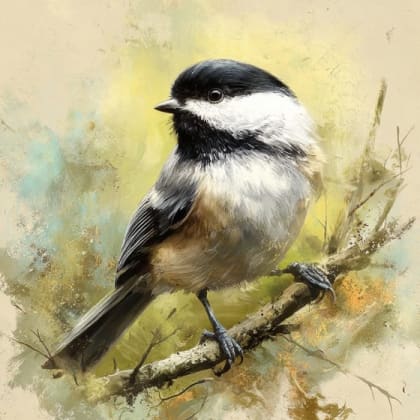
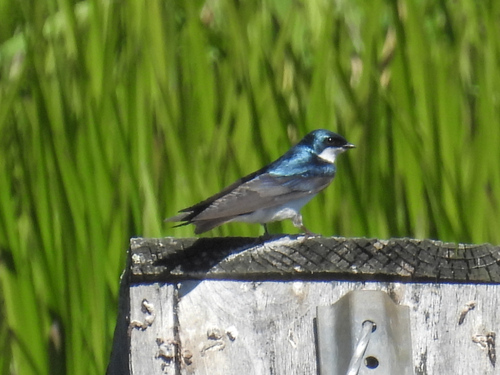
Song Sparrow

The former Lyman School for Boys is a historically significant site near Lake Chauncy in Westborough, Massachusetts.
The former Lyman School for Boys is a historically significant site near Lake Chauncy in Westborough, Massachusetts. While the reform school itself closed decades ago and its historical buildings are generally not open to the public, the expansive natural beauty of its former grounds and the adjacent Lake Chauncy area now offer opportunities for outdoor recreation and historical reflection. The site's complex past as a pioneering reform school for juveniles is intertwined with the natural landscape, offering a unique blend of history and accessible nature.
Visitors can explore portions of the vast former school property, which encompassed hundreds of acres near Lake Chauncy. While direct access to most historical buildings like the restored Elms Cottage or the Manual Arts Building (a vacant shell) is restricted, the surrounding open spaces and trails provide a glimpse into the scale of the institution. The adjacent Lake Chauncy offers public access for boating, fishing, and walking along its extensive shorelines, often bordering what was once Lyman School land.
The area is an important location for understanding social history and architectural heritage in Massachusetts, set against a backdrop of evolving natural landscapes. The Westborough Charm Bracelet Trail System, a network of trails through the town, likely includes paths on or near the former school's extensive grounds, allowing for scenic walks and connecting visitors to other local open spaces. The blend of historical remnants, redeveloped areas, and protected natural environments makes for a thought-provoking visit to a site with a profound past. Unlock an interactive field guide for this spot: get the Snappit app to identify nature on the go.
The Lyman School for Boys, established by the Commonwealth of Massachusetts around 1884, operated as a pioneering reform school for juveniles until its closure around 1971 or 1974. It succeeded the State Reform School for Boys, which was founded in Westborough in 1847 and is considered the first state-operated reform school in the United States. The school was named after philanthropist Theodore Lyman, who was a significant benefactor. Initially, the school occupied 1,000 acres, including 500 acres of prime farmland maintained by students, and aimed to teach trades like carpentry, printing, and masonry. The institution transitioned from a congregate system to a "cottage system" in 1885, with boys living in large brick buildings supervised by a cottage master and matron. Notable buildings included Lyman Hall (induction center) and Oak Cottage (discipline cottage), as well as Elms Cottage. After its closure, much of the campus was either razed for other developments or became part of the adjacent Westborough State Hospital property, which itself has undergone redevelopment, with some remaining historical buildings and significant open spaces. The property is listed on the National Register of Historic Places for its significance in architecture, education, and social history.
Engage in hiking, birdwatching, and photography along the trails and around Lake Chauncy. Enjoy the natural beauty of the lake, which offers opportunities for fishing for Largemouth Bass, Chain Pickerel, and various panfish, and kayaking or canoeing from the public boat ramp. Reflect on the history of juvenile justice and institutional life by imagining the sprawling campus that once stood here.
**Seasonal notes: **
* **Spring/Fall: ** Ideal for hiking with comfortable temperatures and vibrant foliage (fall) or blooming flora (spring).
* **Summer: ** Perfect for lake activities like fishing and non-motorized boating. Lake Chauncy Beach is open to Westborough and Northborough residents for swimming.
* **Winter: ** Trails may be used for snowshoeing or cross-country skiing, but check local conditions.
**Accessibility features: ** Lake Chauncy Beach offers handicap accessibility with designated parking, restrooms, and paved walkways to and from the water. Public walking trails around Lake Chauncy within the Wayne F. MacCallum Wildlife Management Area provide extensive shore access. The Charm Bracelet Trail has sections rated as "easy" with minimal elevation gain.
Spring/Fall: Ideal for hiking with comfortable temperatures and vibrant foliage (fall) or blooming flora (spring).
Summer: Perfect for lake activities like fishing and non-motorized boating. Lake Chauncy Beach is open to Westborough and Northborough residents for swimming.
Winter: Trails may be used for snowshoeing or cross-country skiing, but check local conditions.
Accessibility features: Lake Chauncy Beach offers handicap accessibility with designated parking, restrooms, and paved walkways to and from the water. Public walking trails around Lake Chauncy within the Wayne F. MacCallum Wildlife Management Area provide extensive shore access. The Charm Bracelet Trail has sections rated as "easy" with minimal elevation gain.
Lake Chauncy Beach offers handicap accessibility with designated parking, restrooms, and paved walkways to and from the water. Public walking trails around Lake Chauncy within the Wayne F. MacCallum Wildlife Management Area provide extensive shore access. The Charm Bracelet Trail has sections rated as "easy" with minimal elevation gain.
Explore the extensive public walking trails along the southern, western, and northern shores within the Wayne F. MacCallum Wildlife Management Area.
Hike or bike on portions of this extensive trail network that connects various open spaces in Westborough, some of which are on or adjacent to the former Lyman School grounds.
While not publicly accessible for interior tours, exterior views of remaining historical structures such as the restored Elms Cottage or the Manual Arts Building (a vacant shell) can be observed from public roads or trails where permitted.
Look for any interpretive signage that might be present on the former grounds or within the Westborough Charm Bracelet trails, detailing the history of the Lyman School for Boys.
Each card links to a full Explore page with photos, traits, and fun facts.
Start with the big picture, then zoom in to explore individual wildlife observations around this place.
Check Trail Maps
Before visiting, consult maps for the Westborough Charm Bracelet Trail System and the Wayne F. MacCallum Wildlife Management Area to plan your route and identify publicly accessible paths near the former school grounds.
Respect Private Property
Be mindful that many historical buildings are on private or restricted property, and respect all "No Trespassing" signs.
Explore Lake Chauncy
Dedicate time to the public areas around Lake Chauncy for scenic views, wildlife observation, and water activities like fishing or kayaking.
Wear Appropriate Footwear
Trails can be unpaved and uneven, so sturdy hiking shoes are recommended.
Bring Binoculars and Camera
For birdwatching, nature observation, and capturing the historical and natural landscapes.
Research Local History
To fully appreciate the site, read up on the history of the Lyman School for Boys and its role in juvenile justice before your visit. The Westborough Public Library and local historical archives offer valuable resources.
Jun 6, 2026
Photo attribution
(c) Greg Harrington, some rights reserved (CC BY)
License: CC BY 4.0 ↗
Image may be shown cropped inside the card frame.
Jun 3, 2026
Photo attribution
no rights reserved
License: CC0 1.0 ↗
Image may be shown cropped inside the card frame.
Jun 3, 2026
Photo attribution
no rights reserved
License: CC0 1.0 ↗
Image may be shown cropped inside the card frame.
Jun 3, 2026
Photo attribution
no rights reserved
License: CC0 1.0 ↗
Image may be shown cropped inside the card frame.
Jun 3, 2026
Photo attribution
no rights reserved
License: CC0 1.0 ↗
Image may be shown cropped inside the card frame.

Maryland, US
You might spot White-Tailed Deer and Eastern Gray Squirrel.
View guide →
.jpg)
District of Columbia, US
You might spot Eastern Gray Squirrel, Duck, and House Sparrow.
View guide →

Illinois, US
You might spot American Robin, Canada Goose, and House Sparrow.
View guide →

Virginia, US
You might spot Spotted Lanternfly and Northern Cardinal.
View guide →
Take the discovery with you
Identify the wildlife you spot, learn as you go, and keep a collection of the adventure.