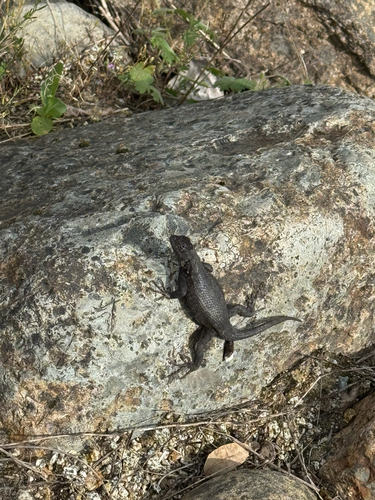
Western Fence Lizard

Marshall Gold Discovery State Historic Park marks the birthplace of the California Gold Rush.
Marshall Gold Discovery State Historic Park marks the birthplace of the California Gold Rush. This significant site on the South Fork of the American River transports visitors back to 1848, preserving the historic town of Coloma and the very spot where James W. Marshall first discovered gold. It's a vivid journey into a pivotal moment that reshaped California and the nation, offering an unparalleled historical immersion.
Explore a full-size replica of Sutter's Mill, the catalyst for the Gold Rush, and delve into the Gold Discovery Museum, showcasing compelling exhibits on mining equipment, Native American heritage, and the diverse cultures drawn by the promise of gold. Wander among over 20 preserved historic buildings, including original Chinese stores, a working blacksmith shop, and Marshall's cabin, each telling a piece of the past. Visitors can even try their hand at gold panning in the American River, seeking glittering flakes just as the forty-niners did.
This park is a captivating destination where history comes alive through interactive exhibits, living history events, and scenic riverside trails. From educational programs for all ages to the sheer beauty of the riparian oak woodlands, Marshall Gold Discovery State Historic Park offers a memorable and enlightening experience, connecting you directly to the momentous events that define California's origin. Explore the grounds like a pro—download the Snappit app to instantly identify animals and plants.
enthusiasts and Gold Rush buffs * Outdoor recreation and nature lovers * Educational field trips and school groups
Take a guided **Gold Discovery Tour** to learn about the history of Coloma Valley and the Gold Rush.
* Participate in **Gold Panning Lessons** in the troughs or try panning in the American River.
* Explore **hiking trails** like the Monument Loop Trail (1.5 miles) for panoramic views, or the Monroe Ridge Trail (2.3 miles) which offers interpretive signs and spring wildflowers. The Gam Saan Trail connects to a nearby park and honors Chinese forty-niners.
* Visit the **American River Nature Center** for exhibits on local wildlife.
* Enjoy a **picnic** by the American River under riparian oak woodlands.
Weather: Summer and spring are warm, while fall and winter can be cool. Be prepared for varying temperatures with layered clothing.
Seasonal events: The park hosts **Living History Days** on the second Saturday of each month, featuring costumed interpreters and demonstrations of 1850s life. Larger annual events include **Coloma Gold Rush Live** (second weekend in October) and **Christmas in Coloma** (early December), along with a Community Easter Egg Hunt and Mother's Day Brunch.
The **Gold Discovery Museum** is fully accessible, offering accessible restrooms, self-guided exhibits, an audio-visual theater, video captioning, and large print brochures. Accessible parking and restrooms are available at the museum and the North Beach Group Picnic Area. An accessible route connects the museum to the Gold Discovery Site and Sutter's Mill. The **Levee Trail** (0.25 miles) is an accessible trail along the American River, with accessible picnicking and restrooms. Most historic structures along the main street are usable, and a portable ramp is available for accessing Emmanuel Church.
Features Gold Rush-era exhibits, Native American artifacts, and displays on the diverse cultures of the period.
A full-size reconstruction marking the spot of the momentous discovery.
The actual location in the tailrace where Marshall first found gold.
California's first historic monument, featuring a statue of Marshall pointing to the discovery site.
Each card links to a full Explore page with photos, traits, and fun facts.
Start with the big picture, then zoom in to explore individual wildlife observations around this place.
Start at the Visitor Center
** Begin your visit at the Gold Discovery Museum and Visitor Center to get maps, information, and a better understanding of the park's layout and offerings.
Bring a picnic
There are numerous picnic tables scattered throughout the park, many by the river, making it an ideal spot for a packed lunch.
Wear comfortable shoes and layers
You'll be doing a fair amount of walking, and the weather can change, so comfortable footwear and layered clothing are recommended.
Check the event schedule
Look up the park's calendar for Living History Days, seasonal festivals, or special demonstrations to enhance your visit.
Try gold panning
Don't miss the chance to experience gold panning; lessons are often available and provide a fun, hands-on historical activity.
Stay on marked trails
To avoid poison oak and ticks, and to protect the natural environment, always stay on designated trails and pathways.
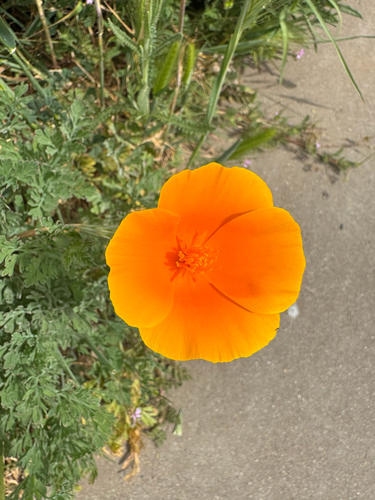
Mar 30, 2026
Photo attribution
(c) Heather Gottfried Lloyd, some rights reserved (CC BY)
License: CC BY 4.0 ↗
Image may be shown cropped inside the card frame.
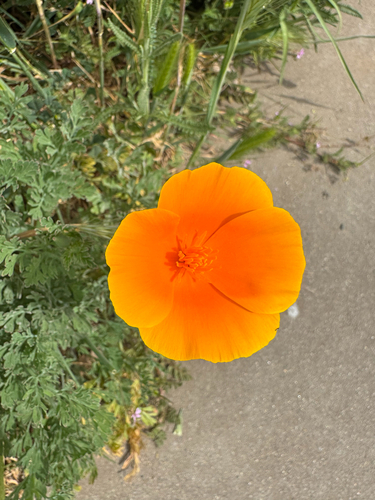
Mar 30, 2026
Photo attribution
(c) Heather Gottfried Lloyd, some rights reserved (CC BY)
License: CC BY 4.0 ↗
Image may be shown cropped inside the card frame.
Mar 30, 2026
Photo attribution
(c) Heather Gottfried Lloyd, some rights reserved (CC BY)
License: CC BY 4.0 ↗
Image may be shown cropped inside the card frame.
May 9, 2026
May 7, 2026

Maryland, US
You might spot White-Tailed Deer and Eastern Gray Squirrel.
View guide →
.jpg)
District of Columbia, US
You might spot Eastern Gray Squirrel, Duck, and House Sparrow.
View guide →

Illinois, US
You might spot American Robin, Canada Goose, and House Sparrow.
View guide →

Virginia, US
You might spot Spotted Lanternfly and Northern Cardinal.
View guide →
Take the discovery with you
Identify the wildlife you spot, learn as you go, and keep a collection of the adventure.