





Common Wood-Nymph
Cercyonis pegala
The Common Wood-Nymph is a beautiful butterfly with soft brown wings and lovely eye spots. They flutter around in sunny spots and love to rest on flowers and leaves.
Habitat: Forests
The Common Wood-Nymph is a medium-sized butterfly, typically dull brown or tan with a distinctive dark eyespot, sometimes two, on each forewing. Its hindwings are plain, allowing it to blend seamlessly with dry leaves or bark. Its drab colors make it look like a dead leaf, helping it hide.
Category
InsectsRarity
Common
Danger
1/5 · Very low
Snaps
8
Adults usually only fly when the sun is shining, often hiding on cloudy or rainy days.
Their caterpillars spend winter tucked away, waiting for spring to munch on fresh grass!
Their wings are covered in thousands of tiny, colorful scales, like living mosaics!
Unlike many butterflies, they prefer walking through grass more than flying long distances.
Common Wood-Nymph has drab, irregular wing patterns that help them blend perfectly with tree bark or dead leaves to hide from predators.
Common Wood-Nymph has large, round 'eyespots' on its wings that can startle or misdirect predators, giving them a chance to escape.
Common Wood-Nymph can sip sweet nectar using its long, straw-like proboscis, which helps them refuel their energy quickly.
Adults sip sweet nectar from flowers, while their young caterpillars munch on fresh grasses.
Age differences: Larvae (caterpillars) feed on various grasses, while adults drink nectar from flowers.
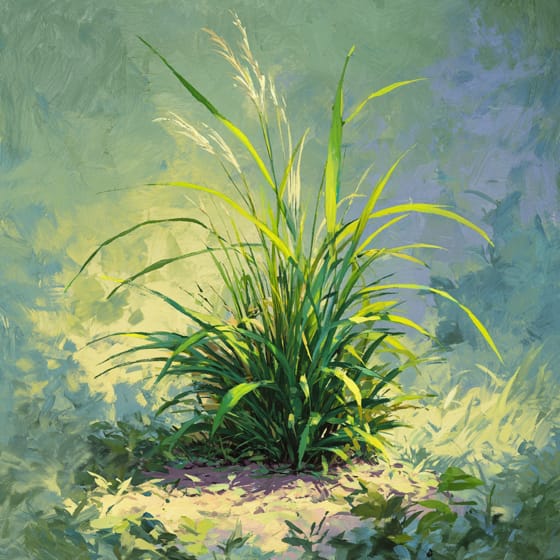
Poa pratensis
Caterpillars munch on its leaves.
Rudbeckia hirta
Adults sip its sweet nectar.

Turdus migratorius
Birds may prey on butterflies.
Marked with spots or patches of a different color.
Solitary animals live alone for most of their lives, only interacting with others for mating or parental care.
Camouflaged describes organisms that possess coloring or patterns that allow them to blend into their environment.
This trait characterizes organisms whose diet consists entirely or primarily of plant material.

Describes plants that are particularly attractive and beneficial to a wide range of pollinating organisms.

Forest habitats are terrestrial environments dominated by dense tree cover, supporting a high diversity of plant and animal life.

Diurnal animals are primarily active during daylight hours, typically resting or sleeping at night.

Describes organisms that transfer pollen, enabling the fertilization and reproduction of plants.
No aliases listed yet.
Danger
1/5 · Very low
Butterflies are gentle creatures. It's best to watch them without touching.
The easiest way to identify Common Wood-Nymph is to use the Snappit nature identifier app.
45-65 mm
20-30 mm
10-21 days
12 km/h
Adults sip sweet nectar from flowers, while their young caterpillars munch on fresh grasses.
Forests
Foraging
Zoom in to split clusters and explore where this object has been snapped.

Arkansas, US
You might spot Widow's-Cross, Yucca Giant-Skipper, and Outis Skipper.
View guide →

Montana, US
You might spot Great Blanketflower and Seven-Spotted Lady Beetle.
View guide →

New Jersey, US
You might spot Eastern Tiger Swallowtail.
View guide →
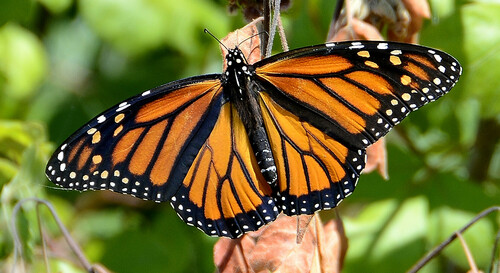
Arkansas, US
You might spot Monarch, Amur Honeysuckle, and Eastern Gray Squirrel.
View guide →

Missouri, US
You might spot Purple Passionflower and Variegated Fritillary.
View guide →

Wisconsin, US
You might spot Eastern Skunk Cabbage, Sharp-Lobed Hepatica, and Snakewort.
View guide →
Take the discovery with you
Snap it with Snappit to identify it, learn what makes it special, and add the discovery to your collection.







.jpg&width=800)



