




Cordgrass
Spartina Schreb.
Cordgrass is a tall, slender plant that grows near the water's edge. Its long leaves sway gently in the breeze, providing shelter for small creatures and helping prevent erosion along coastlines.
Habitat: Coastal areas
The Cordgrass is a tall, sturdy grass with stiff, green to yellowish-green leaves that can have sharp edges. It grows in dense, upright clumps, often forming vast meadows along coastlines, making it stand out as a dominant marsh plant.
Category
PlantsRarity
Common
Danger
1/5 · Very low
Snaps
Be the first to snap!
Cordgrass actually helps build land by trapping mud and sediment, slowly creating new marsh areas!
It can grow so densely that it provides a secret hideout for many small marsh creatures!
Some Cordgrass species can reach incredible heights, towering over 10 feet tall like giant marsh skyscrapers!
This amazing grass can 'sweat' out salt through tiny glands on its leaves, leaving sparkling salt crystals behind!
Cordgrass can survive in incredibly salty water by using special glands to secrete excess salt, helping it thrive where other plants cannot.
Cordgrass has a powerful network of underground roots and rhizomes that bind soil, preventing erosion from waves and storms.
Cordgrass has specialized internal air channels in its stems and roots, allowing it to get oxygen even in oxygen-poor, waterlogged mud.
Anas platyrhynchos
Ducks eat cordgrass seeds
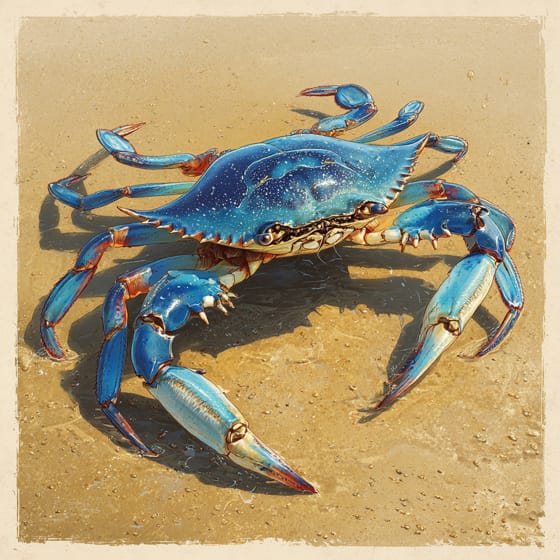
Callinectes sapidus
Crabs hide in cordgrass stands
Geukensia demissa
Mussels attach to stems, filtering water
Palaemonetes pugio
Shrimp live among its stems
Grass-like plants are herbaceous plants that visually resemble true grasses, typically having long, narrow leaves.
Shade tolerant plants are adapted to grow and thrive in areas with low light levels, requiring less direct sunlight.
Evergreen plants retain their foliage throughout the year, never shedding all their leaves at once.
Salt tolerant plants can withstand and grow in conditions with elevated salinity levels in the soil or water.

Coastal habitats are dynamic environments located along the interface between land and sea, influenced by tides, waves, and saltwater.
Danger
1/5 · Very low
Enjoy looking at cordgrass from a distance and avoid touching it to protect the delicate ecosystem.
The easiest way to identify Cordgrass is to use the Snappit nature identifier app.
30-300 cm
50-500 cm
0.5-2 cm
Late_summer_fall
No
None
Perennial
Zoom in to split clusters and explore where this object has been snapped.
Recent snaps will appear here as new observations are added.
Take the discovery with you
Snap it with Snappit to identify it, learn what makes it special, and add the discovery to your collection.










.jpg&width=800)



_001.jpg&width=800)


