





corn speedwell
Veronica arvensis
Corn speedwell is a small, lovely plant with tiny blue flowers. It often grows in fields and gardens, making the world a little brighter with its pretty blooms.
Habitat: Grasslands
The corn speedwell has tiny, bright blue to violet-blue four-petaled flowers, often with a white eye, on hairy stems. Its small, slightly heart-shaped leaves are arranged alternately along the stem, often with reddish tints.
Category
PlantsRarity
Common
Danger
1/5 · Very low
Snaps
5
Corn speedwell seeds can stay hidden in the soil for years, waiting!
It's sometimes called 'Bird's-eye' because its flowers resemble little eyes!
Its tiny flowers often only last for a single day!
This super tiny plant can be found on almost every continent!
Corn speedwell can sprout super fast, helping it grab space and sunlight before other plants can grow big.
Corn speedwell has seed pods that burst open, flinging seeds far away to find new places to grow.
Corn speedwell can flower very early in spring, giving it a head start on attracting early pollinators.
Apis mellifera
collects nectar and pollen from its tiny flowers
Bombus terrestris
visits early spring blooms for vital food source
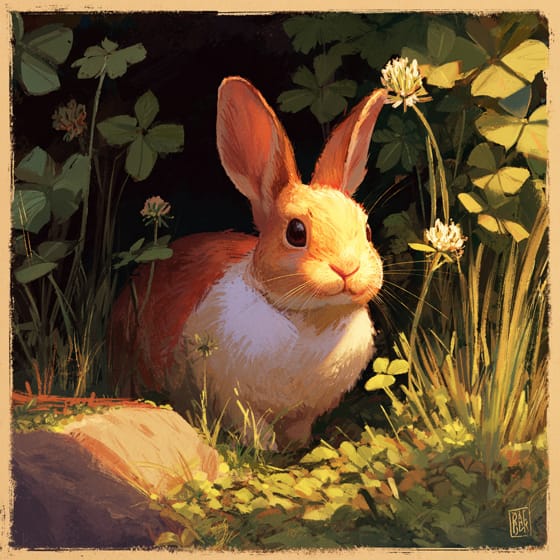
Oryctolagus cuniculus
grazes on its leaves and tender stems
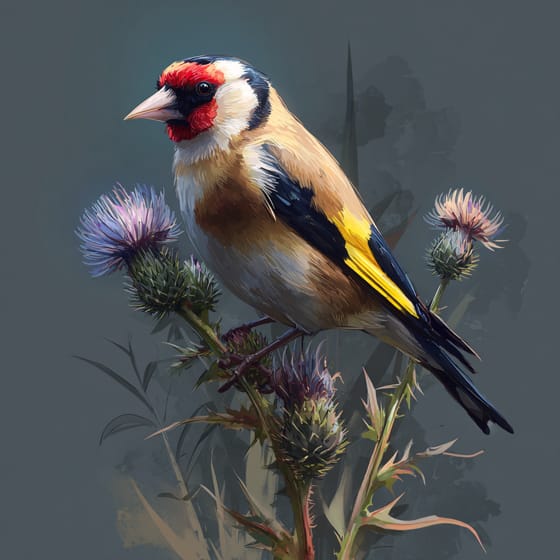
Carduelis carduelis
eats tiny seeds from spent flower heads
Flowering plants are any plants that produce flowers as part of their reproductive cycle.
Spring blooming plants produce their flowers during the spring season, often signifying the end of winter and the start of new growth.
Edible plants are those parts of a plant that are considered safe for human consumption.
Grassland habitats are terrestrial biomes dominated by grasses and herbaceous plants, supporting a variety of grazing animals.

Describes plants that are particularly attractive and beneficial to a wide range of pollinating organisms.
No aliases listed yet.
Danger
1/5 · Very low
Always look but don't pick plants unless an adult says it's okay.
The easiest way to identify corn speedwell is to use the Snappit nature identifier app.
5-30 cm
5-20 cm
0.2-0.4 cm
Early spring to summer
Yes
None
Annual
Zoom in to split clusters and explore where this object has been snapped.

Rhode Island, US
You might spot Rugosa Rose and American Herring Gull.
View guide →

New York, US
You might spot American Robin, Pond Slider, and Northern Cardinal.
View guide →

New York, US
You might spot Rock Pigeon, American Robin, and Spotted Lanternfly.
View guide →

New York, US
You might spot Pitch Pine, Great Egret, and Monarch.
View guide →

Pennsylvania, US
You might spot Red-Tailed Hawk and Mourning Dove.
View guide →

Zurich, CH
You might spot Red Deer, Wolves and Dogs, and European Bison.
View guide →
Take the discovery with you
Snap it with Snappit to identify it, learn what makes it special, and add the discovery to your collection.








.jpg&width=800)



_001.jpg&width=800)



