





black crowberry
Empetrum nigrum
The black crowberry is a small, tasty berry that grows on low bushes. It has shiny black berries that are loved by birds and other animals. These berries are often found in cool, northern places.
Habitat: Tundra and cool forests
The black crowberry is a low-growing evergreen shrub with small, needle-like leaves arranged in whorls. It produces tiny, inconspicuous pinkish-purple flowers that develop into round, glossy, jet-black berries, making them stand out against the dark green foliage.
Category
PlantsRarity
Common
Danger
1/5 · Very low
Snaps
5
Ancient peoples used crowberry juice to dye fabrics purple and black!
Its berries are super dark, almost black, and packed with health benefits!
This tough plant can live for over 100 years, slowly spreading its roots!
Unlike most plants, its tiny flowers don't need insects for pollination!
Black crowberry can thrive in icy Arctic tundras and high mountains by having waxy, needle-like leaves that reduce water loss.
Black crowberry has berries that often stay on the plant all winter, providing crucial food for animals when other sources are scarce.
Black crowberry can spread extensively, forming dense mats that protect soil from erosion and capture sparse nutrients.
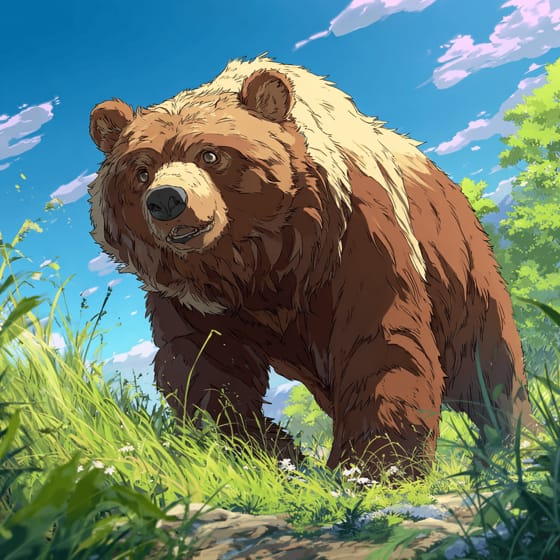
Ursus arctos
berries are an important food source
Lagopus lagopus
relies on berries and foliage in winter
Rangifer tarandus
forages on leaves and berries year-round
-4.jpg&width=800)
Turdus pilaris
disperses seeds after eating the dark berries
Cluster flowers are inflorescences where individual flowers are arranged closely together on a common stem.
A shrub is a woody plant smaller than a tree, typically with multiple stems branching from or near the ground.
Cold hardy plants are able to withstand low temperatures and freezing conditions without significant damage.
Fruit-bearing plants produce fruits, which are the mature ovaries of flowering plants containing seeds.

A fruit tree is a perennial tree that produces fruit, which is edible to humans or animals.

Edible plants are those parts of a plant that are considered safe for human consumption.

This habitat trait refers to species inhabiting tundras, which are treeless biomes characterized by permafrost, cold temperatures, and low-growing vegetation.

Forest habitats are terrestrial environments dominated by dense tree cover, supporting a high diversity of plant and animal life.
No aliases listed yet.
Danger
1/5 · Very low
Always check with an adult before picking any berries to eat.
The easiest way to identify black crowberry is to use the Snappit nature identifier app.
10-30 cm
30-100 cm
Late spring to early summer
Yes
None
Perennial
Wind
Zoom in to split clusters and explore where this object has been snapped.

Maine, US
You might spot American Bullfrog and Three-Toothed Cinquefoil.
View guide →

Maine, US
You might spot Jack Pine, Lingonberry, and Sheep Laurel.
View guide →

Québec, CA
You might spot White-Tailed Deer, Harbor Seal, and Common Eider.
View guide →
Take the discovery with you
Snap it with Snappit to identify it, learn what makes it special, and add the discovery to your collection.







.jpg&width=800)



_001.jpg&width=800)



