





American Robin

Brooklyn Botanic Garden is a 52-acre urban oasis showcasing diverse plant collections.
Brooklyn Botanic Garden is a 52-acre urban oasis showcasing diverse plant collections. Nestled in the heart of Brooklyn, this magnificent garden offers a serene escape from the city's bustle, renowned for its diverse plant collections, beautifully curated landscapes, and significant historical impact. Established in 1910, it was part of the City Beautiful movement, aiming to integrate green spaces into the urban environment.
Visitors can explore a multitude of specialty gardens, each offering a unique horticultural experience. Highlights include the tranquil Japanese Hill-and-Pond Garden, one of the first public Japanese gardens in the United States, complete with koi fish, a Shinto shrine, and a torii gate. The Cranford Rose Garden bursts with thousands of roses cascading over arches and lattices, some dating back to its 1927 opening. The iconic Cherry Esplanade, featuring over 200 cherry trees of 42 varieties, transforms into a spectacular pink wonderland each spring. Inside the Steinhardt Conservatory, a glass-enclosed complex, you'll discover a world of tropical and desert plants, including a remarkable bonsai collection and vibrant orchids.
The Brooklyn Botanic Garden is more than just a beautiful park; it's a vital center for environmental conservation, botanical research, and community engagement. Its year-round appeal, from dazzling seasonal blooms to engaging educational programs and cultural events like the Sakura Matsuri festival, offers a tranquil and inspiring experience. Whether you seek a peaceful stroll, artistic inspiration, or a deeper connection with the natural world, the garden promises memorable moments and a refreshing urban retreat. Enhance your adventure: download the Snappit app to identify the local species you encounter.
The Brooklyn Botanic Garden (BBG) officially opened its gates on May 13, 1911, though its origins trace back to 1897 when the New York State Legislature reserved 39 acres of land for a botanical garden. Established on what was once an ash dump, the garden was founded as part of the broader City Beautiful movement, a concerted effort to introduce green spaces and natural beauty into rapidly urbanizing environments. The original site plan was meticulously laid out by the renowned Olmsted Brothers, setting the foundation for its future development. Under the guidance of its first director, C. Stuart Gager, and landscape architect Harold Caparn, the garden rapidly expanded over the next three decades, introducing many of its iconic features. Key early additions included the Native Flora Garden (1911), showcasing local plants; the pioneering Children's Garden (1914), one of the world's oldest continually operating gardens of its kind; and the exquisite Japanese Hill-and-Pond Garden (1915). The Rock Garden followed in 1916, utilizing glacial boulders found on-site, and the Cranford Rose Garden was dedicated in 1928, solidifying BBG's reputation as a horticultural and educational institution.
Stroll through diverse landscapes, marvel at seasonal flora, capture stunning photographs, and learn about plant conservation. Check the garden's website for current "Plants in Bloom" information and any seasonal events or guided tours.
Spring (late March-May): Experience the breathtaking cherry blossoms, magnolias, lilacs, bluebells, and azaleas.
Summer (June-August): Enjoy the peak bloom of roses, water lilies, and lotus. Keep an eye out for wildlife around the Water Garden.
Autumn (September-November): Witness spectacular fall foliage with vibrant scarlet oaks, ginkgos, and Japanese maples. The Herb Garden displays seasonal harvests like pumpkins and squash.
Winter (December-February): Find warmth and color in the Steinhardt Conservatory's tropical and desert exhibits, including beautiful orchids. Weekdays during this period often feature pay-what-you-wish admission.
Brooklyn Botanic Garden is largely accessible, with paved pathways throughout most of the grounds and stair-free options for many specialty gardens. Wheelchairs are available to borrow at public entrances (ID required). The Alice Recknagel Ireys Fragrance Garden is specifically designed for visually impaired visitors, featuring raised beds and braille labels. Service animals are welcome. Accessible multi-stall restrooms with baby-changing stations are located in the Visitor Center and Conservatory. Nearby MTA subway stations (Eastern Parkway and Prospect Park) have elevators for easy access.
Don't miss the serene Japanese Hill-and-Pond Garden, the vibrant Cranford Rose Garden, and the iconic Cherry Esplanade. The Steinhardt Conservatory, with its Aquatic House, Tropical Pavilion, Desert Pavilion, and extensive Bonsai Museum, offers a year-round tropical escape. Other notable areas include the Lily Pool Terrace, Osborne Garden, Native Flora Garden, Alice Recknagel Ireys Fragrance Garden, and the Children's Garden.
Each card links to a full Explore page with photos, traits, and fun facts.









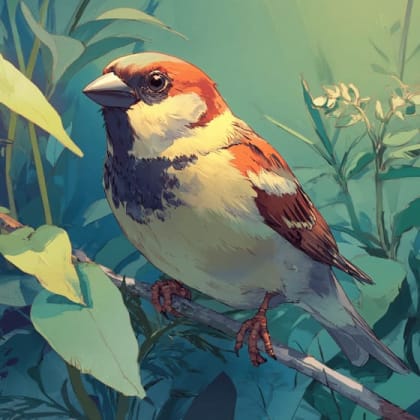














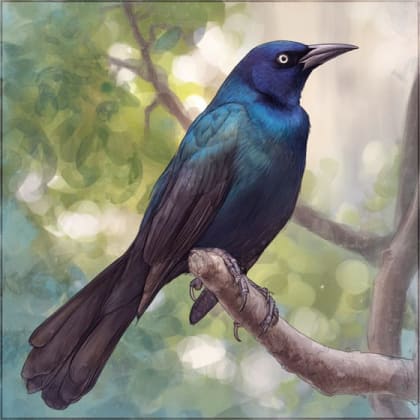

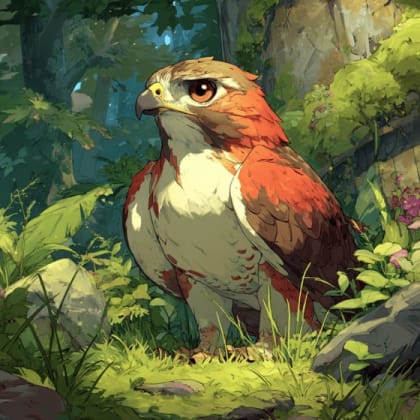







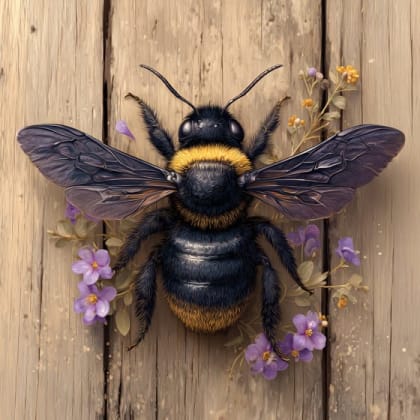









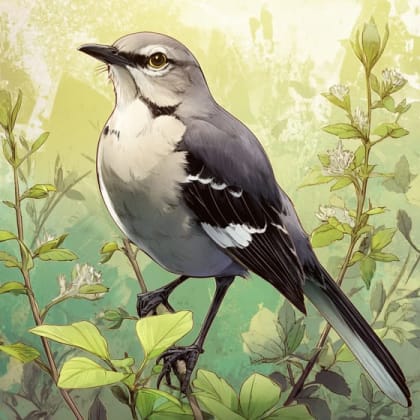
Start with the big picture, then zoom in to explore individual wildlife observations around this place.
Book Tickets in Advance
Especially during peak season (spring), timed-entry tickets are recommended and can be reserved online to ensure entry and speed admission.
Visit Early or Midweek
To avoid the largest crowds, particularly during cherry blossom season, aim for a midweek visit or arrive right when the garden opens on weekends.
Wear Comfortable Shoes
The garden spans 52 acres, so comfortable footwear is essential for exploring all the diverse landscapes.
Utilize Public Transportation
The Brooklyn Botanic Garden is easily accessible by subway and bus. Parking is limited and incurs a fee, so public transit is highly recommended.
Check "Plants in Bloom"
Before your visit, consult the garden's official website for their "Plants in Bloom" section to see what's currently flowering and plan your route accordingly.
Review Garden Rules
Outside food and beverages (beyond bottled water and small snacks for dietary needs) and picnics are generally not permitted. Visitors are asked not to touch plants or walk in garden beds.
Jun 20, 2026
Jun 19, 2026
Jun 19, 2026
Jun 19, 2026
Jun 19, 2026

Maryland, US
You might spot White-Tailed Deer and Eastern Gray Squirrel.
View guide →
.jpg)
District of Columbia, US
You might spot Eastern Gray Squirrel, Duck, and House Sparrow.
View guide →

Illinois, US
You might spot American Robin, Canada Goose, and House Sparrow.
View guide →

Virginia, US
You might spot Spotted Lanternfly and Northern Cardinal.
View guide →
Take the discovery with you
Identify the wildlife you spot, learn as you go, and keep a collection of the adventure.
.jpg&width=800)





