




Cosmantha
Cosmantha
The Cosmantha is a playful and curious creature found in lush forests. Its soft fur and bright colors make it a delight to spot on an adventure!
Habitat: Lush forests with plenty of trees and plants.
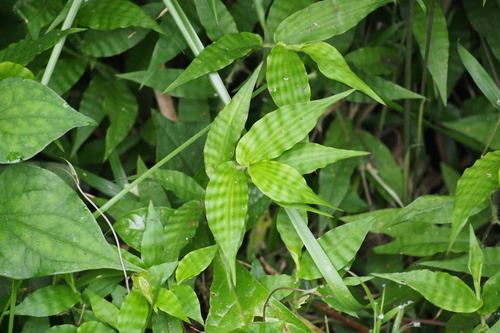
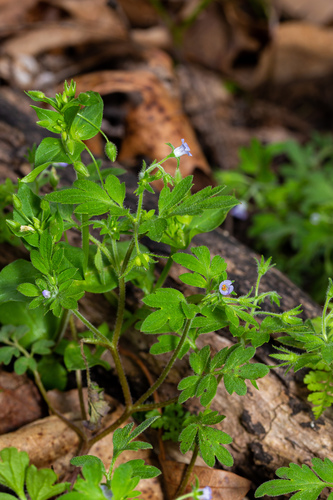
The Cosmantha has a sleek, agile body covered in iridescent emerald-green fur with a shimmering, bioluminescent stripe down its back. It possesses large, luminous golden eyes and long, sensitive whiskers that fan out distinctly.
Category
PlantsRarity
Common
Danger
1/5 · Very low
Snaps
Be the first to snap!
A Cosmantha's fur feels like cool silk and sheds water instantly!
Cosmanthas build intricate nests high in tree hollows from glowing moss!
Newborn Cosmanthas are born with their eyes open and tiny, shimmering fur!
Their tiny clicks and whistles are too high-pitched for humans to hear.
Cosmantha has large, reflective eyes that gather scarce moonlight, helping them see clearly in the deepest darkness.
Cosmantha uses its strong, prehensile tail to grip branches and swing effortlessly through the dense forest canopy.
Cosmantha can activate bioluminescent patches on its fur, which helps them communicate with others or attract mates.
Cosmantha possesses an exceptionally keen sense of smell, allowing them to locate hidden food sources or detect predators.
Cosmanthas mostly feast on juicy fruits and tiny, forest-dwelling insects.

Panthera onca
A top predator of the Cosmantha in their jungle home.
Ficus insipida
Relies on its sweet, nutritious figs as a major food source.
Cecropia obtusifolia
Feeds on its finger-like fruits, vital for its omnivorous diet.
Furry describes animals possessing a dense covering of soft hair or fur.
Social animals live in organized groups, cooperating for survival benefits such as foraging, defense, and raising offspring.
This trait characterizes organisms whose diet consists entirely or primarily of plant material.
Forest habitats are terrestrial environments dominated by dense tree cover, supporting a high diversity of plant and animal life.
Nocturnal animals are primarily active during the nighttime hours, typically resting or sleeping during the day.
Danger
1/5 · Very low
Always observe wildlife from a distance.
Compare leaf arrangement, rosette shape, ribs, spines and flowers. Keep in mind that drought and strong sun can shift a plant's color and shape. Succulent Identifier: upload a photo and compare the visible details.
30-60 cm
1-3 kg
8-12 years
20 km/h
Cosmanthas mostly feast on juicy fruits and tiny, forest-dwelling insects.
Lush forests with plenty of trees and plants.
Foraging
Zoom in to split clusters and explore where this object has been snapped.
Recent snaps will appear here as new observations are added.
Take the discovery with you
Snap it with Snappit to identify it, learn what makes it special, and add the discovery to your collection.