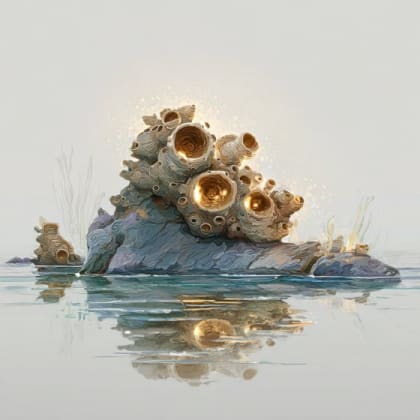
Crab
Brachyura
Crabs are crustaceans with a hard shell, two pincers, and eight walking legs. They live in oceans, fresh water, and on land. Crabs walk sideways and use their strong claws to catch food and defend themselves.
Habitat: Coastal areas
The Crab has a tough, usually broad, shell-like exoskeleton, often colored in shades of brown, green, red, or blue. It possesses ten jointed legs, with the front two typically modified into powerful claws. Its distinctive sideways walk sets it apart.
Category
InvertebrateRarity
Common
Danger
2/5 · Low
Snaps
Be the first to snap!
Baby Crab insects look exactly like miniature adults, just much smaller!
Some Crab insects can play dead for hours to trick hungry predators!
Their tough, armored bodies are incredibly strong, protecting them like a tiny tank!
These insects can feel vibrations in the ground, sensing prey approaching from far away!
Crab insect can remain perfectly still because of its camouflaged body, helping them surprise unsuspecting prey from hidden spots.
Crab insect has strong, pincer-like forelegs that help them grasp and crush small prey or defend against threats.
Crab insect can scuttle rapidly sideways because of its broad body and angled legs, helping them quickly escape or position for attack.
This stealthy hunter eats smaller insects and sometimes tiny creatures found on the ground.
Formica fusca
Primary prey for the adult insect.
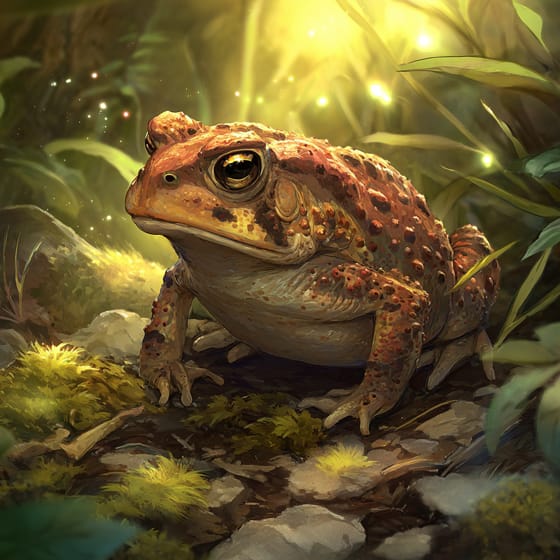
Bufo americanus
A common predator in its habitat.
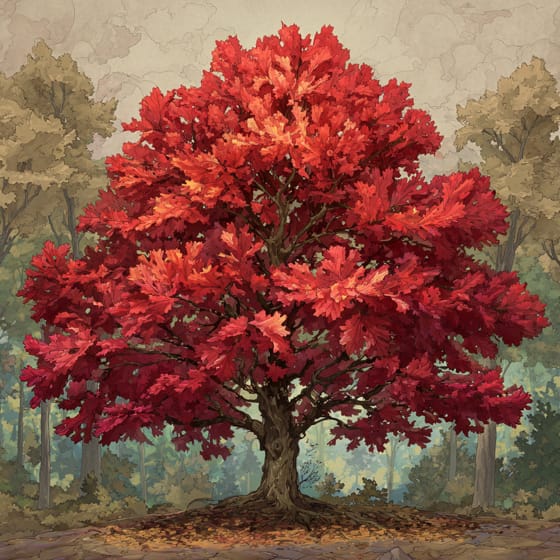
Quercus rubra
Provides critical leaf litter habitat.
Wildlife encompasses all undomesticated animal and plant life existing in their natural habitats.
Social animals live in organized groups, cooperating for survival benefits such as foraging, defense, and raising offspring.
This trait identifies organisms whose diet includes both plant and animal matter.
This trait signifies organisms belonging to a very old evolutionary group with ancestors dating back millions of years.

Coastal habitats are dynamic environments located along the interface between land and sea, influenced by tides, waves, and saltwater.

Armored describes animals protected by a hard, external covering or shell for defense.
Regenerative organisms possess the ability to regrow lost or damaged body parts, tissues, or organs.

Nocturnal animals are primarily active during the nighttime hours, typically resting or sleeping during the day.
No aliases listed yet.
Danger
2/5 · Low
Observe crabs from a safe distance and avoid touching them to prevent getting pinched.
The easiest way to identify Crab is to use the Snappit nature identifier app.
15-35 mm
180-365 days
This stealthy hunter eats smaller insects and sometimes tiny creatures found on the ground.
Coastal areas
Ambush
6
Zoom in to split clusters and explore where this object has been snapped.
Recent snaps will appear here as new observations are added.

Alaska, US
You might spot Steller Sea Lion, Harbor Seal, and Tufted Puffin.
View guide →
British Columbia, CA
You might spot Bald Eagle, Seal, and Sea Lion.
View guide →

Massachusetts, US
You might spot Crab, Lobster, and Horseshoe Crab.
View guide →
Take the discovery with you
Snap it with Snappit to identify it, learn what makes it special, and add the discovery to your collection.