





Crab

The Maria Mitchell Aquarium offers an intimate look into the marine life surrounding Nantucket Island.
The Maria Mitchell Aquarium offers an intimate look into the marine life surrounding Nantucket Island. This seasonal, local aquarium provides an engaging educational experience, connecting visitors of all ages with the unique ecosystems of Nantucket Sound. As the island's only marine science center, it serves as a crucial resource for understanding and appreciating local aquatic biodiversity.
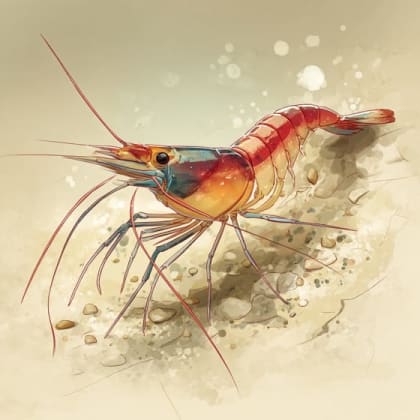
Step inside to explore an ever-changing array of locally collected marine animals, including crabs, lobsters, jellyfish, fish, and sea stars. A highlight for many is the interactive touch tank, where visitors can gently interact with creatures like crabs, shrimp, and clams, gaining a hands-on understanding of their habitats. The aquarium also features a large outdoor circle tank, home to bigger inhabitants such as baby sharks, horseshoe crabs, and flounder, offering a captivating view overlooking Nantucket Harbor.
A visit to the Maria Mitchell Aquarium is a memorable journey into marine science, reflecting the "learning by doing" philosophy of its namesake, Maria Mitchell. It’s a perfect destination for families seeking an educational and interactive adventure, or anyone eager to discover the hidden wonders of Nantucket's coastal waters. Each season brings new discoveries, as all animals are locally sourced and released back into the wild, ensuring a fresh and authentic experience every time. Be ready to snap and learn! Get the Snappit app to identify any nature species you find here.
The Maria Mitchell Aquarium is part of the broader Maria Mitchell Association (MMA), a non-profit organization founded in 1902 to honor the legacy of Maria Mitchell, America's first female astronomer and a Nantucket native. Mitchell was not only an astronomer but also a naturalist with a keen interest in marine biology, making the aquarium a fitting tribute to her diverse scientific pursuits. The aquarium itself is situated on the historic site of the former Nantucket Railroad ticket office at 28 Washington Street, directly on the shoreline of Nantucket Harbor. It opened in 1997 and has since expanded from a single room to three indoor rooms and two outdoor touch tanks. The Maria Mitchell Association has plans for a significant expansion, moving to 33 Washington Street and developing a larger Discovery Center and Aquarium. This new facility, expected to be about 8,000 square feet and completed by 2029, will feature an expanded, state-of-the-art aquarium and marine biology lab, alongside a learning center and exhibit area. During construction, a temporary aquarium will be in operation.
Engage with the knowledgeable interns and staff who provide educational context about the animals. Participate in a "Feeding Frenzy" session to see animals being fed. Explore the touch tanks for a hands-on experience. Discover the diverse local marine life through various exhibits. Consider joining one of their marine ecology field trips or seal cruises during the summer months.
The aquarium operates during the warmer months, typically collecting and displaying local species from the waters around Nantucket. All specimens are released back into the wild at the end of each summer season during an annual "Release Day" event, usually in October. This means exhibits are always changing based on what is found seasonally, and sometimes even stray tropical fish can be seen.
While specific details for the current temporary location are not extensively detailed, the Maria Mitchell Association aims to provide an inclusive environment. The Steamship Authority ferries to Nantucket are wheelchair accessible. For aquariums generally, early morning visits can be less crowded, which might benefit visitors seeking a calmer experience.
The most popular activity, allowing visitors to safely touch local marine species like crabs, shrimp, and clams.
Features larger animals such as baby sharks, horseshoe crabs, and flounder, with views of Nantucket Harbor.
Houses over 50 animals, including jellyfish, lobsters, and various fish, with displays that change weekly to showcase local ecosystems.
Daily feeding demonstrations where visitors learn about the unique feeding behaviors of the marine animals.
Each card links to a full Explore page with photos, traits, and fun facts.
Start with the big picture, then zoom in to explore individual wildlife observations around this place.
Engage with the Staff
The interns and staff are very knowledgeable and eager to share information about the marine life. Don't hesitate to ask questions!
Check for "Feeding Frenzy" Times
Plan your visit to coincide with the daily "Feeding Frenzy" program for an exciting and educational experience.
Experience the Touch Tanks
These are a highlight, especially for children. Take the opportunity to safely interact with the local sea creatures.
Visit "Release Day"
If your visit aligns with the end of the season (typically October), attend the annual "Release Day" to see the animals returned to their natural habitat.
Combine with Other MMA Properties
A property pass often includes admission to the aquarium along with the Natural Science Museum, Historic Mitchell House, and Vestal Street Observatory, making it a comprehensive cultural and scientific outing.
Consider Outdoor Programs
During summer, the Maria Mitchell Association also offers marine ecology field trips, family snorkeling tours, and even whale watches and seal cruises.
Jun 6, 2026
Jun 5, 2026
Jun 5, 2026
Jun 5, 2026
Jun 5, 2026

Michigan, US
You might spot African Lion, Komodo Dragon, and Brown Bear.
View guide →
.jpg)
Municipal District of Cobh, IE
You might spot Ring-Tailed Lemur, Giraffes, and Cheetahs.
View guide →

Nouvelle-Aquitaine, FR
You might spot Greater Flamingo, Giraffes, and Red Panda.
View guide →

Texas, US
You might spot Giraffes, African Lion, and Eastern Black Rhinoceros.
View guide →
Take the discovery with you
Identify the wildlife you spot, learn as you go, and keep a collection of the adventure.





















.jpg&width=800)







