Aspen

The Telluride Historic District is a captivating journey into a preserved piece of American history.
The Telluride Historic District is a captivating journey into a preserved piece of American history.
Nestled deep within a stunning box canyon of the San Juan Mountains, the Telluride Historic District is a beautifully preserved National Historic Landmark. This charming mountain town offers a unique blend of rugged natural beauty and elegant Victorian-era architecture, making it a truly special destination. Visitors are transported back to the late 19th century, experiencing the authentic character of a booming mining town, all while surrounded by some of Colorado's most majestic peaks.
The district is renowned for its vibrant, colorful Victorian homes with intricate woodwork, charming gabled roofs, and wrap-around porches, alongside stately brick commercial buildings that line the main street, Colorado Avenue. Key architectural highlights include the iconic New Sheridan Hotel, the historic Sheridan Opera House, and the Telluride Historical Museum, housed in a restored 1896 miners' hospital. Beyond the buildings, the district's placement in a box canyon provides breathtaking vistas, with soaring peaks and the dramatic Bridal Veil Falls visible from various points around town.
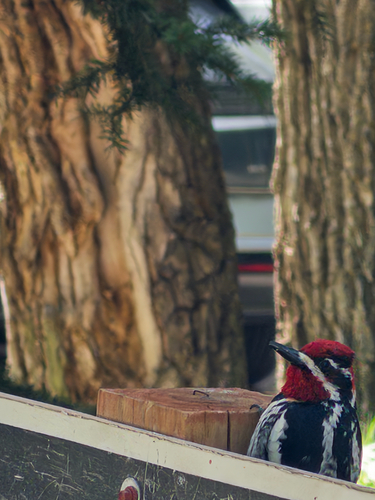
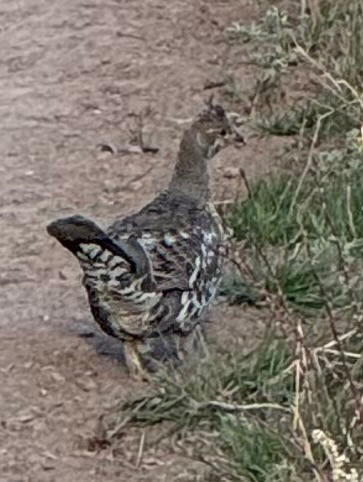
Exploring the Telluride Historic District is an immersive experience, offering a chance to stroll through history, browse unique boutiques and art galleries, and savor gourmet cuisine in a setting unlike any other. The commitment to preserving its historically significant architecture and small-town mountain lifestyle ensures that its authentic charm endures. Whether you're captivated by historical narratives, architectural details, or simply the unparalleled natural backdrop, the district leaves a lasting impression. Enhance your adventure: download the Snappit app to identify the local species you encounter.
Telluride's history began in 1875 with the discovery of silver, leading to the creation of a mining camp incorporated in 1878. Originally named "Columbia," the town was renamed Telluride in 1887. The arrival of the railroad in 1890 significantly boosted its economy, facilitating ore transport and spurring a construction boom that created much of the historic architecture seen today. By the early 20th century, Telluride was a major mining center, known for its gold, silver, and copper deposits. The town's core area was designated a National Historic Landmark District in 1961, and again in 1964, recognizing its well-preserved late boom-town architecture and its role in western frontier settlement and metal mining. Efforts have been made to preserve its original structures and maintain its authentic character, including the establishment of the Historic and Architectural Review Commission. After a decline in mining, Telluride experienced a renaissance in the 1970s as a premier ski resort, blending its historic roots with modern appeal.
Take a self-guided or guided historic walking tour to learn about the buildings and their stories. Enjoy boutique shopping, art galleries, and diverse dining options. Visit the Telluride Historical Museum. Photograph the unique architecture and stunning mountain scenery. Ride the free gondola for aerial views.
Summer: Lush greenery, wildflowers, outdoor activities, and numerous festivals (e.g., Telluride Bluegrass Festival, Telluride Film Festival).
Fall: Vibrant fall foliage, crisp air.
Winter: Snow-covered Victorian buildings, skiing, and holiday festivities.
Spring: Less crowded, melting snow, early hiking opportunities.
The historic district is relatively flat and walkable, centered around Colorado Avenue. The free gondola is pet-friendly and fully accessible. Some historic buildings may have limited accessibility.
The main commercial street, lined with Victorian-era buildings, boutiques, and galleries.
A historic hotel dating back to 1891, featuring classic Victorian architecture and one of the oldest bars in the West.
An iconic part of Telluride's cultural and historical landscape.
Located in the restored 1896 miners' hospital, it offers exhibits on the town's mining, Ute culture, skiing, and general history.
Each card links to a full Explore page with photos, traits, and fun facts.
Start with the big picture, then zoom in to explore individual wildlife observations around this place.
Wear comfortable walking shoes to explore the district's streets and sidewalks.
Bring a camera; the historic architecture against the mountain backdrop offers incredible photo opportunities.
Layer your clothing, as mountain weather can change quickly, even in summer.
Stay hydrated, especially if you're not accustomed to the high altitude.
Consider taking a guided historical walking tour for in-depth stories and insights.
Visit the Telluride Historical Museum early in your visit to gain context for the sites you'll see.
May 27, 2026
Photo attribution
(c) Jim Gale, some rights reserved (CC BY)
License: CC BY 4.0 ↗
Image may be shown cropped inside the card frame.
Apr 22, 2026
Photo attribution
(c) Mark, some rights reserved (CC BY)
License: CC BY 4.0 ↗
Image may be shown cropped inside the card frame.
Jun 19, 2026
Jun 18, 2026
Jun 18, 2026

Maryland, US
You might spot White-Tailed Deer and Eastern Gray Squirrel.
View guide →
.jpg)
District of Columbia, US
You might spot Eastern Gray Squirrel, Duck, and House Sparrow.
View guide →

Illinois, US
You might spot American Robin, Canada Goose, and House Sparrow.
View guide →

Virginia, US
You might spot Spotted Lanternfly and Northern Cardinal.
View guide →
Take the discovery with you
Identify the wildlife you spot, learn as you go, and keep a collection of the adventure.