





Crested Lark
Galerida cristata
The Crested Lark is a cheerful bird with a lovely crest on its head. It loves to sing and can often be seen hopping around in fields and grasslands, making it a delightful sight!
Habitat: Grasslands
The Crested Lark is a medium-sized bird with sandy-brown, streaky plumage. It has a distinctive, spiky crest on its head that can be raised, setting it apart from many other ground-dwelling larks.
Category
BirdsRarity
Common
Danger
1/5 · Very low
Snaps
Be the first to snap!
A Crested Lark's song is often delivered during an impressive, spiraling display flight!
Crested Larks build their cup-shaped nests directly on the ground, often hidden under a plant.
Their crest isn't just for looks; it can be raised or lowered to show how the bird is feeling.
These birds love to run more than fly, speeding across open areas with quick, powerful steps!
Crested Larks have streaky brown feathers that help them blend perfectly into their dry, open surroundings, making them hard to spot.
Crested Larks can mimic other bird calls and incorporate them into their complex songs, helping them attract mates and mark territory.
Crested Larks have strong legs and a stout bill that help them efficiently forage for food by running and digging in tough ground.
This bird enjoys a mix of tiny insects and various seeds found by foraging on the ground.
Falco tinnunculus
Often preys on adult and young Crested Larks.
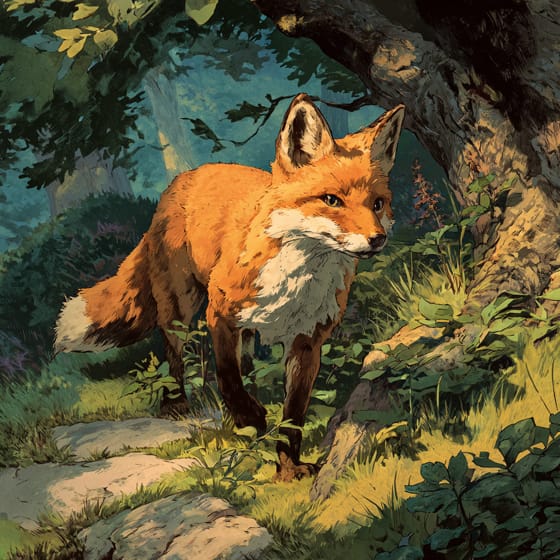
Vulpes vulpes
A common predator of ground-nesting larks and their eggs.
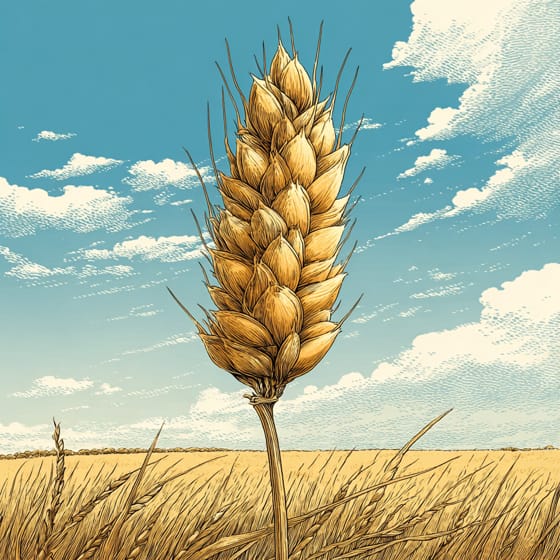
Triticum aestivum
Eats seeds from this common crop, especially during winter.
Formica rufa
Forages on these and other insects, especially when feeding young.
Feathered describes animals, primarily birds, possessing a covering of feathers.
Crested describes animals possessing a prominent tuft of feathers, hair, or skin on their head.
Social animals live in organized groups, cooperating for survival benefits such as foraging, defense, and raising offspring.
Singing animals produce complex vocalizations, often for purposes of attracting mates, defending territory, or communicating within their species.

Grassland habitats are terrestrial biomes dominated by grasses and herbaceous plants, supporting a variety of grazing animals.

This trait identifies organisms whose diet primarily consists of insects and other small invertebrates.

Diurnal animals are primarily active during daylight hours, typically resting or sleeping at night.
No aliases listed yet.
Danger
1/5 · Very low
Enjoy watching birds from a distance and don't try to touch them.
The easiest way to identify Crested Lark is to use the Snappit nature identifier app.
17-19 cm
29-38 cm
0.037-0.055 kg
2-9 years
45 km/h
This bird enjoys a mix of tiny insects and various seeds found by foraging on the ground.
Grasslands
Zoom in to split clusters and explore where this object has been snapped.
Recent snaps will appear here as new observations are added.
Take the discovery with you
Snap it with Snappit to identify it, learn what makes it special, and add the discovery to your collection.




.jpg&width=800)









