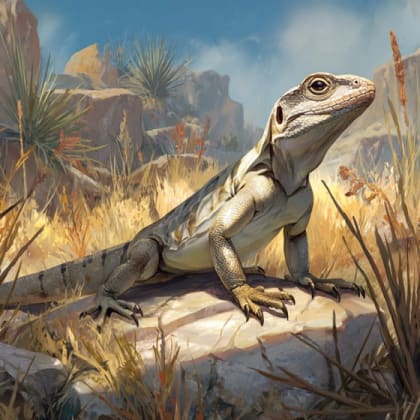





Desert Iguana

Jawbone Canyon is an adventurer's playground in California's rugged Mojave Desert.
Jawbone Canyon is an adventurer's playground in California's rugged Mojave Desert. This Bureau of Land Management (BLM) area, located in Kern County, is a popular destination for off-highway vehicle (OHV) enthusiasts, hikers, and nature lovers seeking the stark beauty of the desert. Known for its diverse terrain, from sandy washes and steep hill climbs to unique geological formations, Jawbone Canyon offers both thrill-seeking recreation and serene natural observation.
The canyon's landscape is a striking tapestry of desert flora and fauna, alongside notable geological features like the vivid, copper-tinted Blue Point and ancient sandstone caves. Visitors can explore miles of designated trails, take in breathtaking panoramic views, and discover the historical "Black Pipe" siphon, a significant segment of the Los Angeles Aqueduct. It's an ideal spot for photography, stargazing under exceptionally dark skies, and observing resilient desert wildlife such as the iconic Joshua trees, desert tortoises, coyotes, and various bird species.
Jawbone Canyon offers a memorable desert experience for those prepared for its unique environment. Whether you're navigating challenging OHV routes, enjoying primitive camping under a blanket of stars, or seeking the quiet solitude of desert hiking, the canyon provides an immersive escape into one of California's most distinct natural landscapes. Its blend of recreational opportunities and ecological significance makes it a cherished part of the Mojave Desert. Be ready to snap and learn! Get the Snappit app to identify any nature species you find here.
Europeans first settled in Jawbone Canyon around 1860, bestowing its name due to the canyon's resemblance to a mandible. The area quickly became an important trade route and played a significant role during the Kern River gold rush. Several gold mines operated within the canyon, including the successful St. John mine, which yielded substantial gold between 1860 and 1875, and the Gwynn mine, which continued operations until 1942. Mining activities for materials like rhyolite and antimony persisted through the 1940s. Recreational use of Jawbone Canyon began in the early 20th century. Recognizing the area's value and the need for its preservation and responsible management, the "Friends of Jawbone" non-profit organization was formed, operating the Jawbone Station Visitor Center to provide information and support for visitors while advocating for the protection of the desert environment.
Off-Highway Vehicle (OHV) Riding: Explore hundreds of miles of trails and open areas on dirt bikes, ATVs, and 4x4s.
* **Hiking: ** Discover trails through varied desert terrain, including options in the Jawbone-Butterbredt Area of Critical Environmental Concern (ACEC).
* **Primitive Camping: ** Dispersed camping is allowed throughout the OHV area and surrounding public lands.
* **Photography & Stargazing:** Capture stunning desert landscapes, vibrant sunsets, and the exceptionally clear night skies where the Milky Way is often visible.
* **Wildlife Viewing: ** Look for desert tortoises, coyotes, deer, rabbits, quail, and a variety of bird species.
* **Explore Historical Sites:** Visit remnants of old mining operations and the Los Angeles Aqueduct.
Summer: Extremely hot, caution advised for outdoor activities. Strong winds can occur.
Fall: Cooler temperatures, hunting season begins for deer, quail, and chukar.
Winter: Cold, with potential for freezing temperatures and snow. Pleasant for daytime activities if layered.
Spring: Mild temperatures, ideal for hiking and OHV riding, with possibilities of desert wildflowers.
Roads within the OHV area are gravel and dirt. Many staging and camping areas are accessible by 2-wheel drive vehicles, including those with trailers and RVs. Vault toilets are available in some areas. The Jawbone Station Visitor Center provides information.
Over 7,000 acres for cross-country riding, trail riding, and technical hill climbing.
A prominent section of the historic Los Angeles Aqueduct, an engineering marvel.
A striking geological formation with blue-green volcanic rock, colored by copper deposits.
A riparian habitat and wildlife sanctuary, great for birdwatching and observing desert wildlife.
Each card links to a full Explore page with photos, traits, and fun facts.
Start with the big picture, then zoom in to explore individual wildlife observations around this place.
Bring ample supplies
The canyon is a primitive area with limited amenities. Pack plenty of water, food, and other necessities, as potable water is not readily available.
Practice Leave No Trace
Help preserve the desert by packing out all trash and respecting the natural and historical landmarks.
OHV regulations
All OHVs must have a valid California Green or Red sticker, or a non-resident permit. Stick to designated routes, especially within the Jawbone-Butterbredt Area of Critical Environmental Concern (ACEC), to protect the sensitive environment.
Prepare for extreme weather
Be mindful of significant temperature swings. Summers are scorching, while winters can be freezing with strong winds. Dress in layers and check the forecast.
Visit during weekdays
Weekends can be very busy with OHV activity. For a quieter experience, particularly for hiking or wildlife viewing, consider a weekday visit.
Stargazing etiquette
When camping or enjoying the night sky, turn off all unnecessary lights and extinguish campfires to minimize light pollution for the best views of the Milky Way.
Jun 6, 2026
May 25, 2026
May 24, 2026
May 22, 2026
May 15, 2026

Maryland, US
You might spot White-Tailed Deer and Eastern Gray Squirrel.
View guide →
.jpg)
District of Columbia, US
You might spot Eastern Gray Squirrel, Duck, and House Sparrow.
View guide →

Illinois, US
You might spot American Robin, Canada Goose, and House Sparrow.
View guide →

Virginia, US
You might spot Spotted Lanternfly and Northern Cardinal.
View guide →
Take the discovery with you
Identify the wildlife you spot, learn as you go, and keep a collection of the adventure.



.jpg&width=800)





_(39660989151).jpg&width=800)
