





Cuban Grassquit
Phonipara canora
The Cuban Grassquit is a small, colorful bird found in Cuba. It loves to hop around in grassy areas and sing sweet songs that make it special among birds.
Habitat: Grasslands
The Cuban Grassquit is a small, finch-like bird with a striking appearance. Males boast a black face and throat, contrasted by a vibrant yellow patch under the eye and olive-green upperparts. Its greyish-white belly and small size make it distinct from other birds in its habitat.
Category
BirdsRarity
Common
Danger
1/5 · Very low
Snaps
Be the first to snap!
Its scientific name, 'canora', means "singing"!
Only the female builds the nest and incubates the eggs!
These tiny birds love sunshine and open, grassy areas.
They build neat, dome-shaped nests close to the ground.
Cuban Grassquit has a sturdy, conical beak that helps them crack open tough seeds with ease.
Cuban Grassquit can hang upside down from twigs because of their strong feet, helping them reach hidden food.
Cuban Grassquit can produce a varied and melodious song that helps them communicate and attract mates.
These little birds mostly munch on tiny seeds but also enjoy a side of small insects!
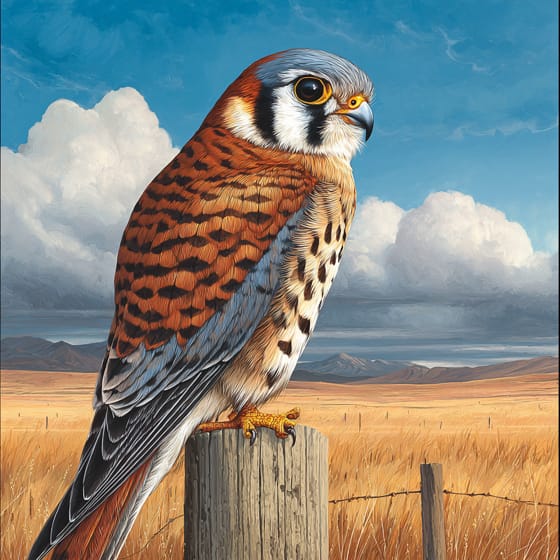
Falco sparverius
Preyed upon by small, agile raptors.
Boa constrictor
Can fall prey to native snakes in their habitat.
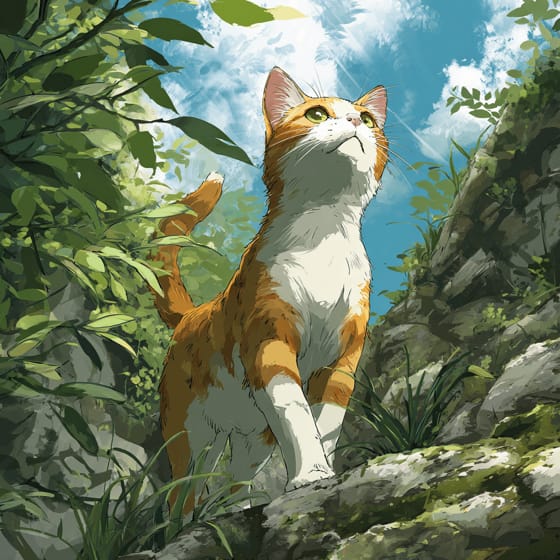
Felis catus
Vulnerable to predation by domestic and feral cats.
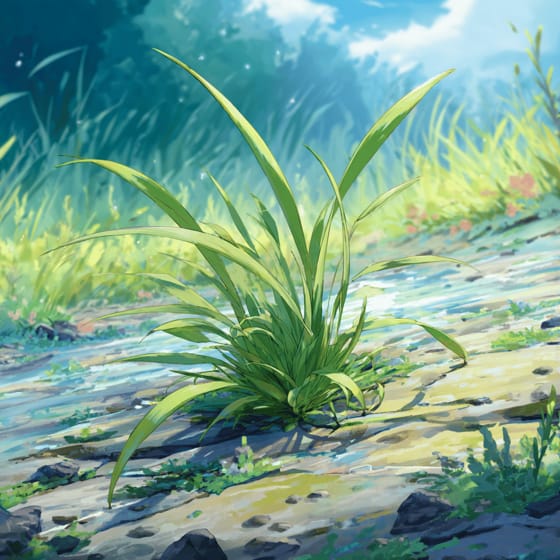
Cynodon dactylon
Feeds on the seeds of common grasses.
Paspalum notatum
Relies on seeds from various pasture grasses.
Feathered describes animals, primarily birds, possessing a covering of feathers.
Social animals live in organized groups, cooperating for survival benefits such as foraging, defense, and raising offspring.
Singing animals produce complex vocalizations, often for purposes of attracting mates, defending territory, or communicating within their species.
Colorful describes organisms or objects displaying a wide range of bright and distinct colors.

Grassland habitats are terrestrial biomes dominated by grasses and herbaceous plants, supporting a variety of grazing animals.

This trait identifies organisms whose diet primarily consists of insects and other small invertebrates.

Diurnal animals are primarily active during daylight hours, typically resting or sleeping at night.
No aliases listed yet.
Danger
1/5 · Very low
Enjoy watching birds from a distance and don't try to touch them.
The easiest way to identify Cuban Grassquit is to use the Snappit nature identifier app.
10-11 cm
15-18 cm
0.007-0.01 kg
2-5 years
35 km/h
These little birds mostly munch on tiny seeds but also enjoy a side of small insects!
Grasslands
Zoom in to split clusters and explore where this object has been snapped.
Recent snaps will appear here as new observations are added.
Take the discovery with you
Snap it with Snappit to identify it, learn what makes it special, and add the discovery to your collection.




.jpg&width=800)








