





Curve-billed Thrasher
Toxostoma curvirostre
The Curve-billed Thrasher is a playful bird known for its long, curved bill. It loves to hop around in the desert, searching for tasty insects and fruits to eat.
Habitat: Desert
The Curve-billed Thrasher has a warm gray-brown body with subtle streaking and bright orange-yellow eyes. Its most striking feature is a long, strongly downcurved bill, which is grayish-black. It also has a noticeably long tail.
Category
BirdsRarity
Common
Danger
1/5 · Very low
Snaps
13
A thrasher’s nest is often hidden deep inside spiny cacti or thorny bushes!
Listen closely: male and female Curve-billed Thrashers sing duets, calling back and forth!
Their dazzling orange-yellow eyes glow, helping them spot tiny prey on the ground!
These birds love to take dust baths, fluffing their feathers to stay clean and healthy.
Curve-billed Thrasher can use its strong, downcurved bill to expertly probe soil and flip debris to find prey.
Curve-billed Thrasher can imitate various sounds, from other bird calls to mechanical noises, creating complex songs.
Curve-billed Thrasher builds sturdy cup nests deep inside thorny plants, keeping its eggs and young safe.
A tricky hunter, the Curve-billed Thrasher digs for insects and enjoys fruits and seeds!
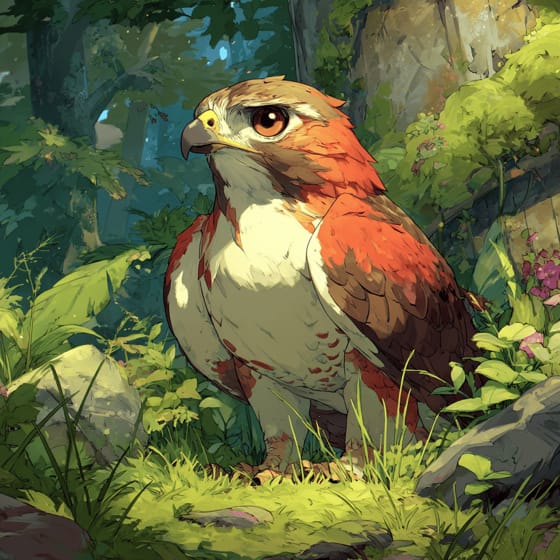
Buteo jamaicensis
A common desert raptor that preys on many smaller birds.
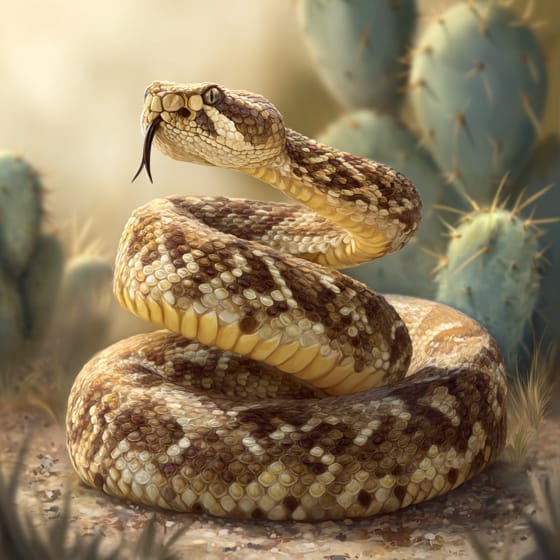
Crotalus atrox
These snakes can ambush thrashers on the ground or raid nests.
Opuntia engelmannii
Consumes the sweet, fleshy fruits of this common desert cactus.
Formica subsericea
Digs in the soil to find and eat these ground-dwelling ants.
Feathered describes animals, primarily birds, possessing a covering of feathers.
Social animals live in organized groups, cooperating for survival benefits such as foraging, defense, and raising offspring.
Singing animals produce complex vocalizations, often for purposes of attracting mates, defending territory, or communicating within their species.
This trait identifies organisms whose diet primarily consists of insects and other small invertebrates.

Desert habitats are arid regions characterized by extremely low precipitation and often extreme temperatures, supporting specialized flora and fauna.

Diurnal animals are primarily active during daylight hours, typically resting or sleeping at night.
No aliases listed yet.
Danger
1/5 · Very low
Enjoy watching birds from a distance and be quiet so you don't scare them away.
The easiest way to identify Curve-billed Thrasher is to use the Snappit nature identifier app.
23-29 cm
31-33 cm
0.06-0.09 kg
7-12 years
45 km/h
A tricky hunter, the Curve-billed Thrasher digs for insects and enjoys fruits and seeds!
Desert
Zoom in to split clusters and explore where this object has been snapped.

New Mexico, US
You might spot Tree Cholla, Colorado Pinyon, and House Finch.
View guide →

New Mexico, US
You might spot White-Winged Dove and Silverleaf Nightshade.
View guide →

New Mexico, US
You might spot Duck, Greater Roadrunner, and American Robin.
View guide →

New Mexico, US
You might spot Wood Duck, Duck, and Canada Goose.
View guide →

Arizona, US
You might spot Saguaro and Graham's Nipple Cactus.
View guide →

New Mexico, US
You might spot Tree Cholla, Colorado Pinyon, and Apache Plume.
View guide →
Take the discovery with you
Snap it with Snappit to identify it, learn what makes it special, and add the discovery to your collection.




.jpg&width=800)









