.jpg&width=800)





White-Crested Cockatoo
cacatua alba
The White-Crested Cockatoo is a beautiful bird with a striking white body and a cheerful crest on its head. These friendly birds love to socialize and can often be seen playing with their friends in the trees!
Habitat: They live in the tropical forests of Indonesia and nearby islands.
The White-Crested Cockatoo has striking pure white plumage across its body, with a large, elaborate backward-curving crest on its head. When raised, the crest reveals a pale yellow or orange-yellow underside, contrasting with its dark grey beak and legs. These features make it distinctly beautiful.
Category
BirdsRarity
Common
Danger
1/5 · Very low
Snaps
Be the first to snap!
Their crest moving up or down can tell you exactly how they are feeling.
These smart birds have been observed using simple tools in the wild!
They are known to engage in rhythmic 'dancing' to music!
White-Crested Cockatoos can live for many decades, often longer than humans!
White-Crested Cockatoo has special 'powder down' feathers that produce a fine dust to keep its plumage clean and waterproof.
White-Crested Cockatoo can raise or lower its prominent crest to signal emotions like excitement, fear, or curiosity to others.
White-Crested Cockatoo has an incredibly powerful, curved beak that helps them crack open the toughest nuts and seeds.
These omnivores enjoy a varied diet of delicious seeds, nuts, fruits, and even tiny insects.
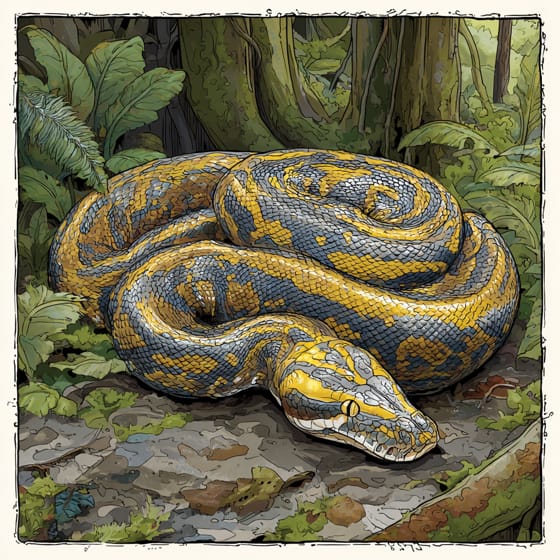
Python reticulatus
Young cockatoos or eggs are sometimes prey for large snakes.
Areca catechu
Feeds on the seeds and fruits of various native palm trees.
Ficus benjamina
Consumes the fruits from fig trees found in its forest habitat.
Social animals live in organized groups, cooperating for survival benefits such as foraging, defense, and raising offspring.
Arboreal animals live primarily in trees, utilizing them for shelter, food, and protection from predators.
Colorful describes organisms or objects displaying a wide range of bright and distinct colors.
This trait characterizes organisms whose diet consists entirely or primarily of plant material.

Diurnal animals are primarily active during daylight hours, typically resting or sleeping at night.
Danger
1/5 · Very low
No special safety notes yet.
The easiest way to identify White-Crested Cockatoo is to use the Snappit nature identifier app.
45-50 cm
80-100 cm
0.4-0.8 kg
40-60 years
50 km/h
These omnivores enjoy a varied diet of delicious seeds, nuts, fruits, and even tiny insects.
They live in the tropical forests of Indonesia and nearby islands.
Zoom in to split clusters and explore where this object has been snapped.
Recent snaps will appear here as new observations are added.
Take the discovery with you
Snap it with Snappit to identify it, learn what makes it special, and add the discovery to your collection.




.jpg&width=800)








