





Cutler's goldenrod
Solidago leiocarpa
Cutler's goldenrod is a beautiful yellow flower that blooms in late summer. It grows in sunny places and is loved by butterflies and bees for its sweet nectar.
Habitat: Grasslands
The Cutler's goldenrod has dense clusters of bright golden-yellow flowers atop sturdy, often reddish stems. Its leaves are smooth and dark green, contributing to its neat, compact appearance which distinguishes it from many taller, leggier goldenrods.
Category
PlantsRarity
Common
Danger
1/5 · Very low
Snaps
Be the first to snap!
Each tiny seed has a fluffy 'parachute' that helps it fly far on the wind!
It's named after Manasseh Cutler, a botanist who explored the White Mountains!
There are over 100 different kinds of goldenrods all around the world!
This goldenrod loves rocky, high-up places like mountain peaks and cliffs.
Cutler's goldenrod can thrive in harsh mountain environments, growing short and tough to withstand strong winds and cold.
Cutler's goldenrod has vibrant yellow flower clusters that act as a bright beacon, attracting many helpful insects for pollination.
Cutler's goldenrod can spread underground using rhizomes, allowing it to create new plants and form dense colonies.
Apis mellifera
Gathers nectar and pollen from flowers
Bombus impatiens
Visits flowers for nectar and pollen
Vanessa atalanta
Feeds on the flower nectar
Trirhabda virgata
Larvae and adults feed on the leaves
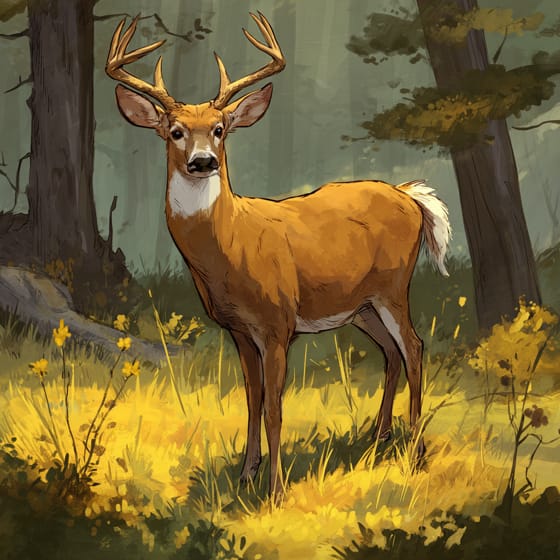
Odocoileus virginianus
Browses on the stems and leaves
Flowering plants are any plants that produce flowers as part of their reproductive cycle.
Summer blooming plants produce their flowers during the summer season, often providing vibrant color when many other plants have finished.
Fragrant flowers emit a pleasant aroma, often to attract pollinators or for defense.
Edible plants are those parts of a plant that are considered safe for human consumption.

Grassland habitats are terrestrial biomes dominated by grasses and herbaceous plants, supporting a variety of grazing animals.

Describes plants that are particularly attractive and beneficial to a wide range of pollinating organisms.
No aliases listed yet.
Danger
1/5 · Very low
Always look but don't touch wild plants unless a grown-up says it's okay.
The easiest way to identify Cutler's goldenrod is to use the Snappit nature identifier app.
30-90 cm
30-60 cm
0.3-0.6 cm
Late summer to fall
Yes
None
Perennial
Zoom in to split clusters and explore where this object has been snapped.
Recent snaps will appear here as new observations are added.
Take the discovery with you
Snap it with Snappit to identify it, learn what makes it special, and add the discovery to your collection.









.jpg&width=800)


_001.jpg&width=800)



