





dark-throated shooting star
Primula pauciflora
The dark-throated shooting star is a beautiful flower that blooms in spring. Its unique shape and lovely colors make it special in gardens and nature.
Habitat: Mountain regions
The dark-throated shooting star has vibrant magenta to pink-purple petals that sweep sharply backwards, creating a unique 'shooting star' shape. Its prominent dark anther cone forms a striking contrast, making the flower look like a tiny rocket blasting off.
Category
PlantsRarity
Common
Danger
1/5 · Very low
Snaps
6
It's named 'shooting star' because the flower looks like a meteor streaking across the sky!
Its petals are so far back, they look like they're flying away!
This plant can grow even on rocky mountain slopes, what a tough guy!
When a bee buzzes its flowers, pollen shakes out like pepper!
Dark-throated shooting star has special anthers that require 'buzz pollination,' helping bees collect pollen efficiently.
This plant can retreat underground during harsh winter or dry summer conditions, conserving energy to re-emerge later.
Its flowers hang upside-down, which helps protect their delicate pollen from rain and makes them easy for bees to access.
Bombus occidentalis
Buzz-pollinates the flowers for pollen.
Apis mellifera
Visits flowers for pollen and nectar.
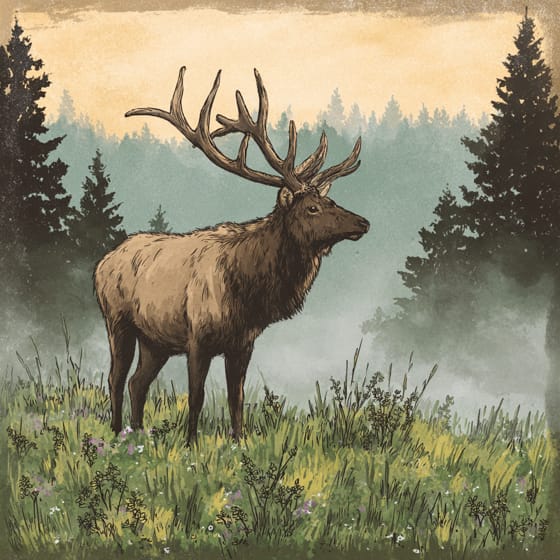
Cervus canadensis
May browse on foliage in some areas.
Flowering plants are any plants that produce flowers as part of their reproductive cycle.
Ornamental plants are cultivated primarily for their aesthetic appeal, enhancing landscapes and gardens with their attractive foliage, flowers, or form.
Biennial plants complete their life cycle over two growing seasons, typically forming foliage in the first year and flowering/seeding in the second.
Shade tolerant plants are adapted to grow and thrive in areas with low light levels, requiring less direct sunlight.

Spring blooming plants produce their flowers during the spring season, often signifying the end of winter and the start of new growth.

Fragrant flowers emit a pleasant aroma, often to attract pollinators or for defense.

Colorful describes organisms or objects displaying a wide range of bright and distinct colors.

Describes plants that are particularly attractive and beneficial to a wide range of pollinating organisms.

This habitat trait identifies species found in mountainous regions, characterized by high elevation, steep slopes, and varying climate zones.
No aliases listed yet.
Danger
1/5 · Very low
Always look but don't touch flowers in nature to keep them safe.
The easiest way to identify dark-throated shooting star is to use the Snappit nature identifier app.
10-50 cm
15-30 cm
1-2 cm
Spring to early summer
No
Mild
Perennial
Zoom in to split clusters and explore where this object has been snapped.

Alaska, US
You might spot Moose, Devil's Club, and Red-Berried Elder.
View guide →

Colorado, US
You might spot Elk, Mule Deer, and Black-Billed Magpie.
View guide →

Montana, US
You might spot Field Crescent, Thimbleberry, and Baker's Mariposa Lily.
View guide →

South Dakota, US
You might spot Wood Duck, Tansy, and Mountain Goat.
View guide →

Colorado, US
You might spot Front Range Beardtongue and Mountain Ball Cactus.
View guide →

Colorado, US
You might spot Elk, Mule Deer, and Black-Billed Magpie.
View guide →
Take the discovery with you
Snap it with Snappit to identify it, learn what makes it special, and add the discovery to your collection.








.jpg&width=800)


_001.jpg&width=800)



