





Banana Yucca
Yucca baccata
The Banana Yucca is a special plant with long, sharp leaves and big, creamy flowers. Its fruit looks like a banana and is sweet and tasty! This plant is great for helping animals and people in the desert.
Habitat: Desert
The Banana Yucca has stiff, sword-like blue-green leaves forming a basal rosette. Its tall stalk bears creamy white, bell-shaped flowers, followed by large, green, banana-shaped fruits.
Category
PlantsRarity
Common
Danger
2/5 · Low
Snaps
10
Its flowers only open at night to be pollinated by its unique Yucca Moth!
Its spiky leaves provide excellent hiding spots for small desert critters!
The "banana" in its name comes from its edible, curved, fleshy fruits!
This tough plant can live for over 100 years in the harsh desert!
Banana Yucca has a special partnership with the Yucca Moth for successful pollination and seed production.
Banana Yucca can store water in its thick roots and succulent-like leaves, helping it survive long droughts.
Banana Yucca grows large, sweet, banana-shaped fruits that provide a vital food source for many desert animals.
Tegeticula yuccasella
The moth meticulously transfers pollen to fertilize the flowers.
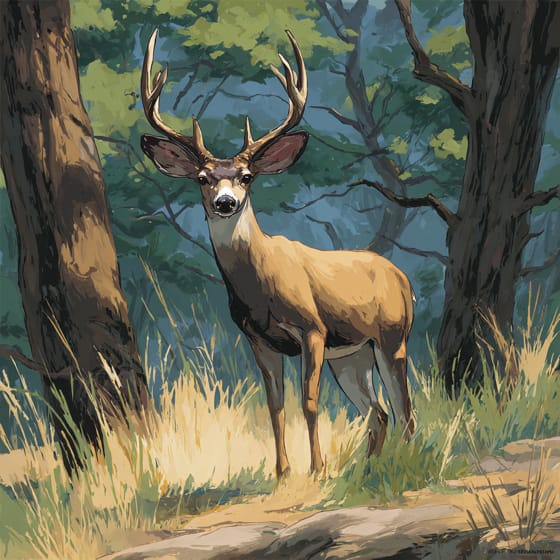
Odocoileus hemionus
Deer browse on the leaves and flowers when other forage is scarce.
Ursus americanus
Bears feast on the sweet, ripe yucca fruits during late summer.
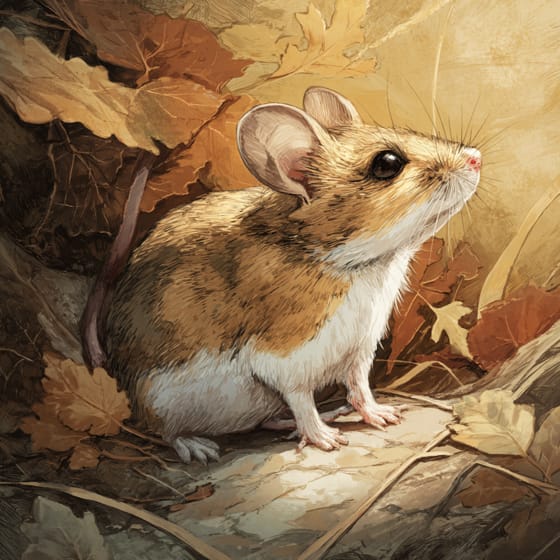
Peromyscus maniculatus
Mice hide among its sharp leaves and consume the abundant seeds.
Flowering plants are any plants that produce flowers as part of their reproductive cycle.
A shrub is a woody plant smaller than a tree, typically with multiple stems branching from or near the ground.
Evergreen plants retain their foliage throughout the year, never shedding all their leaves at once.
Fruit-bearing plants produce fruits, which are the mature ovaries of flowering plants containing seeds.

Medicinal plants possess chemical compounds that can be used for therapeutic purposes to treat illnesses or maintain health.

Drought-tolerant plants can survive and flourish in conditions with limited water availability.

Edible plants are those parts of a plant that are considered safe for human consumption.

Describes plants that are particularly attractive and beneficial to a wide range of pollinating organisms.

Desert habitats are arid regions characterized by extremely low precipitation and often extreme temperatures, supporting specialized flora and fauna.
Danger
2/5 · Low
Be careful around the sharp leaves; they can poke you!
The easiest way to identify Banana Yucca is to use the Snappit nature identifier app.
50-300 cm
60-120 cm
5-10 cm
Spring to early summer
Yes
None
Perennial
Zoom in to split clusters and explore where this object has been snapped.

Arizona, US
You might spot Yarrow's Spiny Lizard and Mexican Jay.
View guide →

New Mexico, US
You might spot Tree Cholla, Mule Deer, and Sacred Datura.
View guide →

New Mexico, US
You might spot Tree Cholla, Colorado Pinyon, and Apache Plume.
View guide →

Arizona, US
You might spot Mexican Jay, Yarrow's Spiny Lizard, and White-Tailed Deer.
View guide →

Arizona, US
You might spot Common Raven, Gambel Oak, and Vulture.
View guide →

Colorado, US
You might spot Mule Deer, Rubber Rabbitbrush, and Plateau Fence Lizard.
View guide →
Take the discovery with you
Snap it with Snappit to identify it, learn what makes it special, and add the discovery to your collection.








.jpg&width=800)



_001.jpg&width=800)


