_v2.jpg&width=800)





daylilies
Hemerocallis
Daylilies are bright, cheerful flowers that bloom for just one day! They come in many colors and are easy to grow, making gardens look beautiful.
Habitat: Gardens
The daylilies have trumpet-shaped flowers in a spectacular range of colors, from vibrant yellows and oranges to deep reds, pinks, and purples, often with contrasting throats. Their long, arching, grass-like leaves form dense clumps at the base.
Category
PlantsRarity
Common
Danger
1/5 · Very low
Snaps
Be the first to snap!
Ancient people in Asia grew daylilies for food and medicine thousands of years ago!
Daylily roots can help prevent soil erosion near rivers and on slopes by holding the earth tightly.
Gardeners have bred over 80,000 different kinds of daylilies, in countless colors and shapes!
Their name means "beauty for a day" in Greek, reflecting their short-lived, yet abundant, blooms!
Daylilies can provide tasty buds and blooms, offering a food source that has been used by people for centuries.
Daylilies can thrive in many tough spots, forming dense root systems that help them outcompete other plants.
Daylilies have sequential flowering, ensuring a continuous show of new blooms even though each flower lasts just one day.
Apis mellifera
Collects nectar and pollen from flowers.
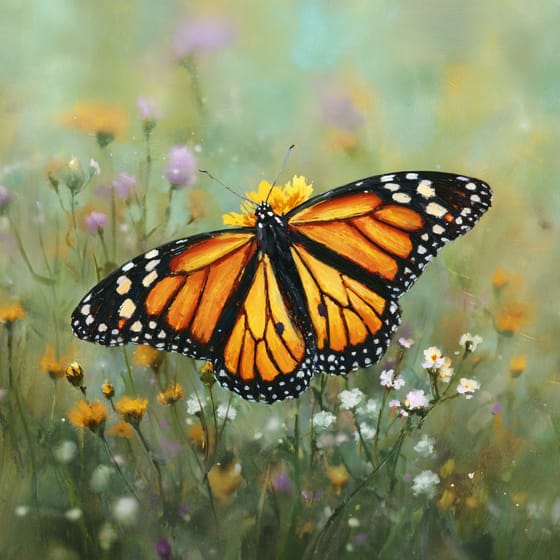
Danaus plexippus
Sips nectar from the colorful blooms.
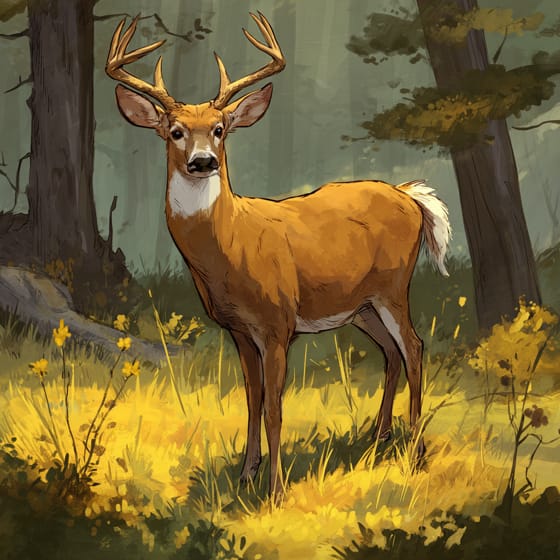
Odocoileus virginianus
Browses on the leaves and flower buds.
Arion rufus
Chews holes in foliage and petals.
Ornamental plants are cultivated primarily for their aesthetic appeal, enhancing landscapes and gardens with their attractive foliage, flowers, or form.
Summer blooming plants produce their flowers during the summer season, often providing vibrant color when many other plants have finished.
Drought-tolerant plants can survive and flourish in conditions with limited water availability.
Colorful describes organisms or objects displaying a wide range of bright and distinct colors.

Edible plants are those parts of a plant that are considered safe for human consumption.

Rapid growing plants exhibit accelerated growth rates, quickly increasing in size and biomass within a short period.

This habitat trait indicates species that can coexist with humans in urban and suburban environments, utilizing man-made structures and green spaces.
No aliases listed yet.
Danger
1/5 · Very low
Always ask an adult before picking flowers, even if they look pretty.
The easiest way to identify daylilies is to use the Snappit nature identifier app.
60-90 cm
45-75 cm
5-15 cm
Summer-Fall
Yes
None
Perennial
Zoom in to split clusters and explore where this object has been snapped.
Recent snaps will appear here as new observations are added.
Take the discovery with you
Snap it with Snappit to identify it, learn what makes it special, and add the discovery to your collection.









.jpg&width=800)



_001.jpg&width=800)



