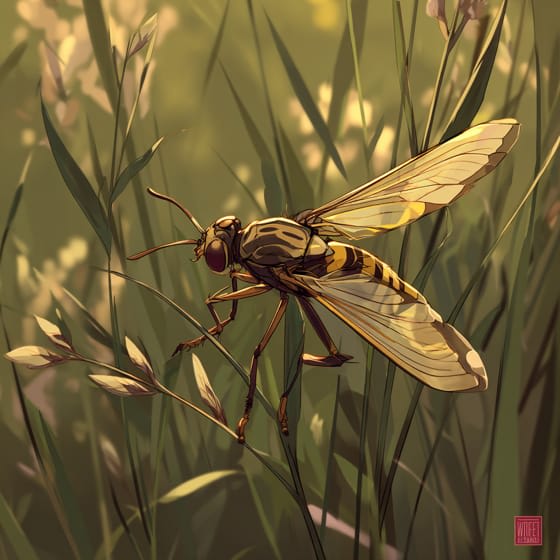





Deer Fly
Chrysops spp.
The Deer Fly is another biting fly that loves to hang out in sunny places. They are attracted to animals and people!
Habitat: Forests, fields, and near water
The Deer Fly has striking iridescent eyes that are often patterned with green, gold, or purple bands. Its body is usually yellow-brown to dark brown with dark stripes on its abdomen. Its wings often have distinct dark patches, making it visually different from a common house fly.
Category
InsectsRarity
Common
Danger
2/5 · Low
Snaps
Be the first to snap!
Deer fly larvae live in wet soil and water, hunting tiny worms and insects.
Only female deer flies bite animals to get protein for their eggs.
Some species of deer flies are attracted to the carbon dioxide we breathe out.
Their amazing iridescent eyes are covered in beautiful patterns and stripes.
Deer Fly can slice skin with its blade-like mouthparts to drink blood, a super protein boost for laying eggs.
Deer Fly has large, colorful compound eyes that help them quickly spot warm-blooded animals, their food source.
Deer Fly can fly very quietly, allowing them to approach animals for a bite without being easily detected.
Deer Fly lays eggs in wet soil or vegetation near water, where their larvae develop and hunt small creatures.
Female deer flies drink blood for eggs, while males enjoy sweet flower nectar.
Age differences: Larvae are predatory, eating small invertebrates; adults feed on blood (females) or nectar (males).
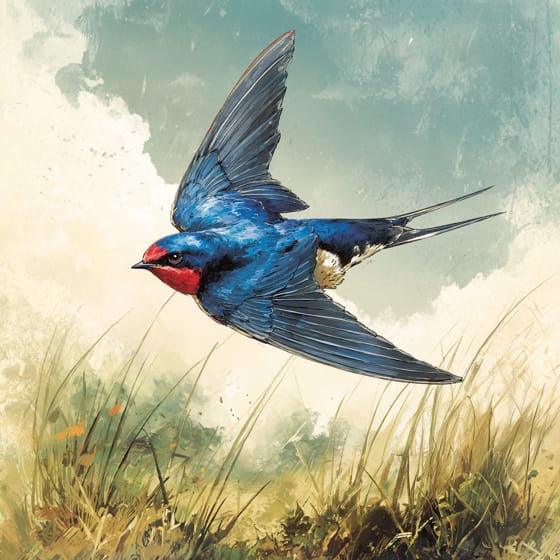
Hirundo rustica
Deer flies are a food source for these agile insect-eating birds.
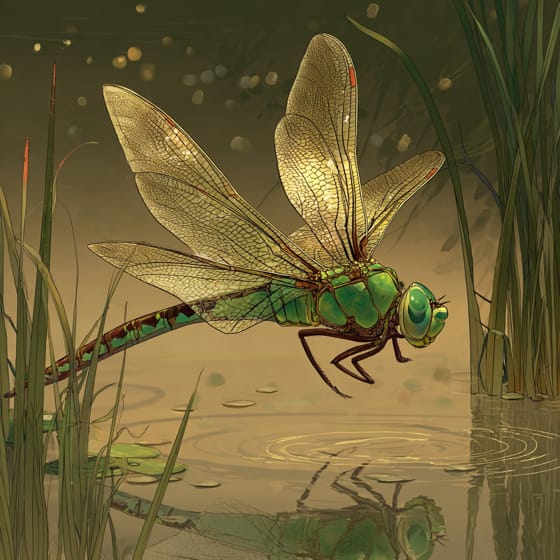
Anax junius
This dragonfly often preys on deer flies in flight near water.
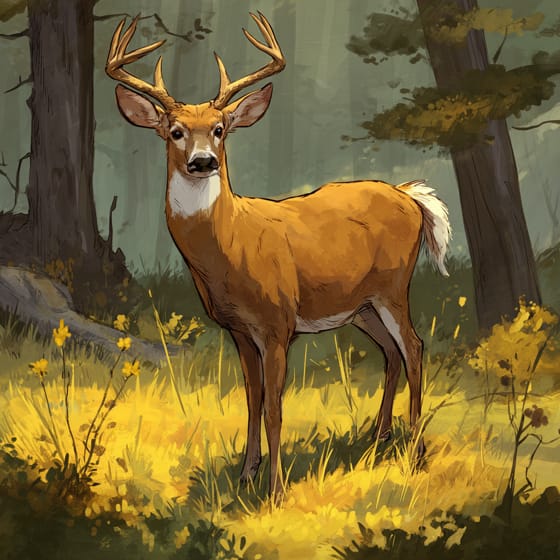
Odocoileus virginianus
Female deer flies bite deer to get blood for their egg development.

Asclepias syriaca
Male deer flies drink nectar from flowers like milkweed for energy.
Wildlife encompasses all undomesticated animal and plant life existing in their natural habitats.
Social animals live in organized groups, cooperating for survival benefits such as foraging, defense, and raising offspring.
An ambush predator hunts by patiently waiting and concealing itself, then launching a sudden attack when unsuspecting prey comes within range.
Forest habitats are terrestrial environments dominated by dense tree cover, supporting a high diversity of plant and animal life.

Nocturnal animals are primarily active during the nighttime hours, typically resting or sleeping during the day.
Danger
2/5 · Low
Do not touch or pick up. Some insects sting or bite. Ask an adult for help.
The easiest way to identify Deer Fly is to use the Snappit nature identifier app.
15-25 mm
7-10 mm
15-30 days
20 km/h
Female deer flies drink blood for eggs, while males enjoy sweet flower nectar.
Forests, fields, and near water
Ambush
Zoom in to split clusters and explore where this object has been snapped.
Recent snaps will appear here as new observations are added.
Take the discovery with you
Snap it with Snappit to identify it, learn what makes it special, and add the discovery to your collection.









.jpg&width=800)



