.jpg&width=800)





Deirochelyine Turtles
Deirochelyinae
Deirochelyine turtles are fun reptiles that love to swim and bask in the sun. They have colorful shells and can be found in ponds and rivers, making them great swimmers!
Habitat: Wetlands
The Deirochelyine Turtles have streamlined, often flattened shells adorned with intricate patterns of yellow, red, or orange stripes and spots. Their heads and necks frequently display similar vibrant markings, making them visually distinct in freshwater habitats. Many species possess noticeably long necks.
Category
ReptilesRarity
Common
Danger
1/5 · Very low
Snaps
Be the first to snap!
Baby turtles use a special 'egg tooth' on their snout to hatch from their eggs!
Some turtles can breathe underwater through specialized sacs in their rear!
The sex of a baby turtle is decided by how warm or cool its egg was!
Their shell is part of their skeleton and grows with them, it's not a house!
Deirochelyine Turtles can determine the sex of their offspring based on the nest's temperature, helping them adapt to environmental changes.
Deirochelyine Turtles has a remarkably long neck, allowing them to reach food or breathe air without fully surfacing from deeper water.
Deirochelyine Turtles can swim quickly with their webbed feet, allowing them to escape predators and navigate swiftly through water.
These turtles enjoy a varied diet, eating both plants and small animals they find in the water.
Age differences: Juveniles are typically more carnivorous, feeding heavily on insects and small invertebrates, while adults often become more herbivorous, consuming a greater proportion of aquatic plants.

Procyon lotor
Preys on turtle eggs and hatchlings.
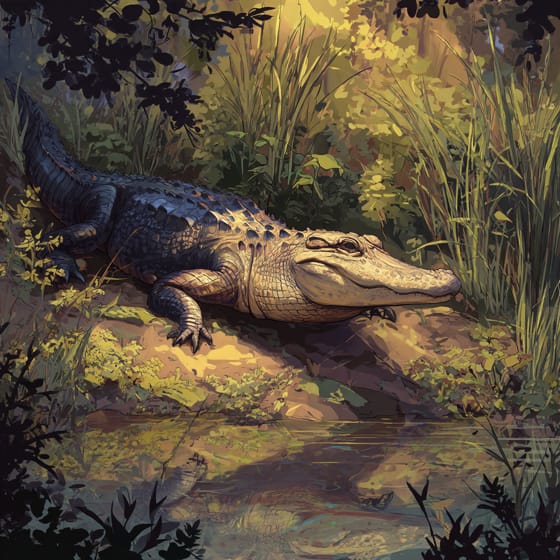
Alligator mississippiensis
Hunts adult and juvenile turtles.
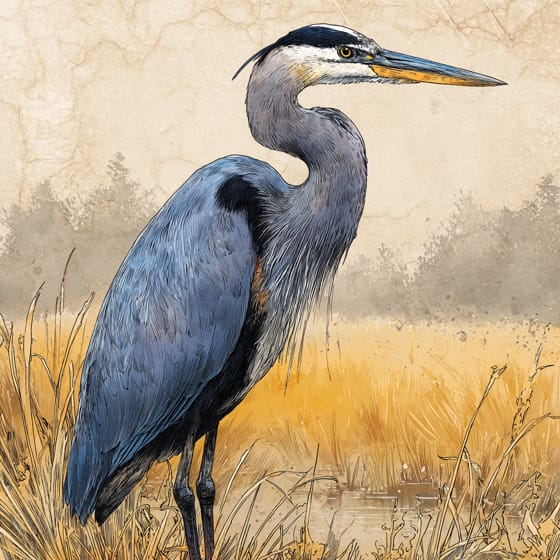
Ardea herodias
Can catch smaller turtles near water.
Nymphaea odorata
Many species graze on aquatic plants.
Characterized by having toes connected by a membrane, typically aiding in swimming.
Social animals live in organized groups, cooperating for survival benefits such as foraging, defense, and raising offspring.
Colorful describes organisms or objects displaying a wide range of bright and distinct colors.
This trait characterizes organisms whose diet consists entirely or primarily of plant material.

This trait characterizes organisms with an exceptionally long lifespan compared to others of their kind.

This habitat trait identifies species found in wetlands, which are areas of land saturated with water, either permanently or seasonally, including marshes, swamps, and bogs.

Diurnal animals are primarily active during daylight hours, typically resting or sleeping at night.

Freshwater habitats include non-saline aquatic environments such as rivers, lakes, ponds, and wetlands, vital for numerous species.

Describes a species whose presence and role have a disproportionately large effect on its environment.

This trait identifies organisms that exhibit exceptional swiftness in movement for hunting, escape, or travel.

Endangered status indicates a species is at a very high risk of extinction in the wild in the near future.
No aliases listed yet.
Danger
1/5 · Very low
Always watch turtles from a distance and never try to pick them up without asking an adult.
The easiest way to identify Deirochelyine Turtles is to use the Snappit nature identifier app.
10-60 cm
0.1-5 kg
20-50 years
1 km/h
These turtles enjoy a varied diet, eating both plants and small animals they find in the water.
8 km/h
Wetlands
Zoom in to split clusters and explore where this object has been snapped.
Recent snaps will appear here as new observations are added.
Take the discovery with you
Snap it with Snappit to identify it, learn what makes it special, and add the discovery to your collection.