





Dogbane Family
Apocynaceae
The Dogbane family includes many plants that can be found in fields and gardens. Some of them have pretty flowers, and they can be important for butterflies and other insects.
Habitat: Fields and gardens
The Dogbane Family is known for its milky, often poisonous, sap and often features simple, opposite leaves. Its flowers typically have five petals, sometimes fused into a tube, and can range from small and inconspicuous to large and showy, often in shades of white, pink, or yellow.
Category
PlantsRarity
Common
Danger
2/5 · Low
Snaps
Be the first to snap!
Many plants in this family make a sticky, white "milk" when you break their stems.
Some members like Oleander are so poisonous even honey made from their nectar can be toxic!
The Madagascar Periwinkle from this family helps doctors fight childhood leukemia.
The beautiful Plumeria, used in leis, also belongs to the Dogbane Family!
Dogbane Family flowers often have complex shapes and nectar guides to attract specific insect pollinators.
Dogbane Family can produce seeds with fluffy hairs that allow them to float far on the wind.
Dogbane Family often produces pollen in special waxy packets for efficient transfer by insects.
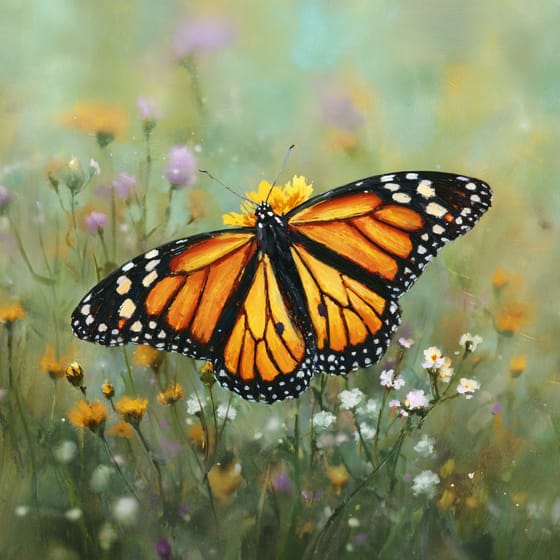
Danaus plexippus
larvae feed exclusively on milkweed leaves.

Aphis nerii
specialized to feed on toxic members.
Bombus terrestris
collects nectar from many flowering species.
Vanessa cardui
visits many flowers for nectar.
Tetranychus urticae
a common pest on many cultivated plants.
Flowering plants are any plants that produce flowers as part of their reproductive cycle.
A shrub is a woody plant smaller than a tree, typically with multiple stems branching from or near the ground.
Medicinal plants possess chemical compounds that can be used for therapeutic purposes to treat illnesses or maintain health.
This human use trait identifies species that yield natural fibers, used by humans for textiles, rope, paper, and other manufactured goods.

Grassland habitats are terrestrial biomes dominated by grasses and herbaceous plants, supporting a variety of grazing animals.

Describes plants that are particularly attractive and beneficial to a wide range of pollinating organisms.

This habitat trait indicates species that can coexist with humans in urban and suburban environments, utilizing man-made structures and green spaces.

Describes organisms that transfer pollen, enabling the fertilization and reproduction of plants.
No aliases listed yet.
Danger
2/5 · Low
Always wash your hands after touching plants and never eat any part of a plant without asking an adult.
The easiest way to identify Dogbane Family is to use the Snappit nature identifier app.
30-200 cm
20-100 cm
1-5 cm
Spring to late summer
No
High
Perennial
Zoom in to split clusters and explore where this object has been snapped.
Recent snaps will appear here as new observations are added.
Take the discovery with you
Snap it with Snappit to identify it, learn what makes it special, and add the discovery to your collection.








.jpg&width=800)



_001.jpg&width=800)




