


Dogfennel
eupatorium capillifolium
Dogfennel is a tall, aggressive perennial herb native to the eastern and southern United States. While often classified as a weed due to its rapid colonization of disturbed pastures and agricultural land, this plant plays a unique role in local ecosystems and boasts a striking, ethereal aesthetic. The plant has a pungent, dill-like aroma when crushed, which serves as a natural deterrent against many generalist herbivores.
Habitat: Commonly found in disturbed fields, pastures, roadsides, and pine flatwoods, preferring sandy, well-draining soils.
Dogfennel is easily identified by its towering height, often reaching 1 to 3 meters, and its incredibly fine, thread-like leaves that give the plant a soft, feathery appearance. The stems are stout, hairy, and woody near the base, turning reddish-purple as the plant matures. In late summer and autumn, the upper branches erupt with thousands of tiny, cream-colored to greenish-white flower heads clustered in massive, plume-like panicles.
Category
PlantsRarity
Common
Danger
1/5 · Very low
Snaps
9
Despite its name and feathery appearance, dogfennel is a member of the aster family and is not closely related to true culinary fennel.
Historically, pioneers stuffed their mattresses with dried dogfennel to repel bedbugs and fleas.
The toxic alkaloids in dogfennel can cause severe liver damage to cattle and horses if they are forced to graze on it when other forage is scarce.
Produces pyrrolizidine alkaloids, toxic compounds that deter livestock and most insects from feeding on its tissues.
Generates thousands of lightweight, wind-blown seeds per stem, allowing it to quickly colonize open areas.
Emits strong essential oils when damaged, which historically have been used to repel fleas and other biting insects.
As a photosynthetic plant, dogfennel synthesizes its own energy from sunlight, carbon dioxide, and water while absorbing essential minerals through its root system.
Cosmosoma myrodora
Male moths feed on the fluids of dogfennel to acquire defensive chemicals, which they then transfer to females during mating for egg protection.
Apis mellifera
Attracted to the massive late-season blooms for crucial fall nectar reserves.
No trait badges are assigned for this object yet.
No aliases listed yet.
Collections for this object will appear here as more themes are added.
Danger
1/5 · Very low
No special safety notes yet.
The easiest way to identify Dogfennel is to use the Snappit nature identifier app.
100-300 cm
2-5 years
As a photosynthetic plant, dogfennel synthesizes its own energy from sunlight, carbon dioxide, and water while absorbing essential minerals through its root system.
Commonly found in disturbed fields, pastures, roadsides, and pine flatwoods, preferring sandy, well-draining soils.
Zoom in to split clusters and explore where this object has been snapped.

North Carolina, US
You might spot Northern Cardinal, Carolina Wren, and Tufted Titmouse.
View guide →

South Carolina, US
You might spot Brown Pelican, Boat-Tailed Grackle, and Great Egret.
View guide →

US
You might spot Brown Pelican, Boat-Tailed Grackle, and Great Egret.
View guide →

Virginia, US
You might spot Eastern Tiger Swallowtail, Fowler's Toad, and Monarch.
View guide →

Georgia, US
You might spot Joro Spider, American Sweetgum, and American Tuliptree.
View guide →
South Carolina, US
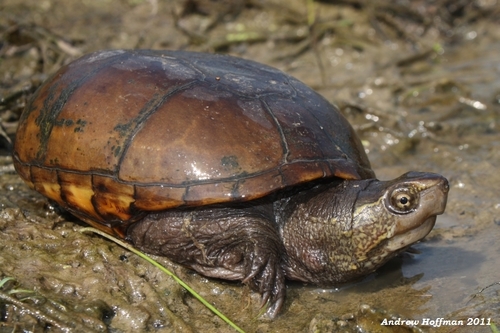
You might spot Eastern Mud Turtle, Anole, and Mediterranean House Gecko.
View guide →
Take the discovery with you
Snap it with Snappit to identify it, learn what makes it special, and add the discovery to your collection.











.jpg&width=800)



_001.jpg&width=800)




