





Lyside Sulphur
Kricogonia lyside
The Lyside Sulphur is a bright yellow butterfly with beautiful orange spots. It flutters around gardens and fields, bringing joy to everyone who sees it!
Habitat: Open fields
The Lyside Sulphur is a medium-small butterfly, typically pale yellow or white with plain wings. Males are often a brighter yellow, while females can be white or pale yellow. Its uniform coloration, lacking strong patterns, makes it visually distinct from many other patterned sulphur butterflies.
Category
InsectsRarity
Common
Danger
1/5 · Very low
Snaps
3
Males are often much brighter yellow than the females!
Some Lyside Sulphurs fly thousands of miles to warmer places!
Their caterpillars only eat leaves from special desert plants!
This butterfly can have multiple generations born in just one year!
Lyside Sulphur can fly long distances because it conserves energy efficiently, helping them find warmer climates and abundant food.
Lyside Sulphur has pale yellow or white wings that help it blend seamlessly with light-colored desert flowers and dry vegetation.
Lyside Sulphur can dart quickly and erratically through the air, making it very difficult for predators to catch them.
Adults sip sweet flower nectar, while their caterpillars munch on the leaves of specific desert plants.
Age differences: Larvae eat specific host plant leaves, adults drink flower nectar.
Guaiacum officinale
Caterpillars exclusively feed on its leaves.

Ambrosia artemisiifolia
Adults collect nectar and help spread pollen.
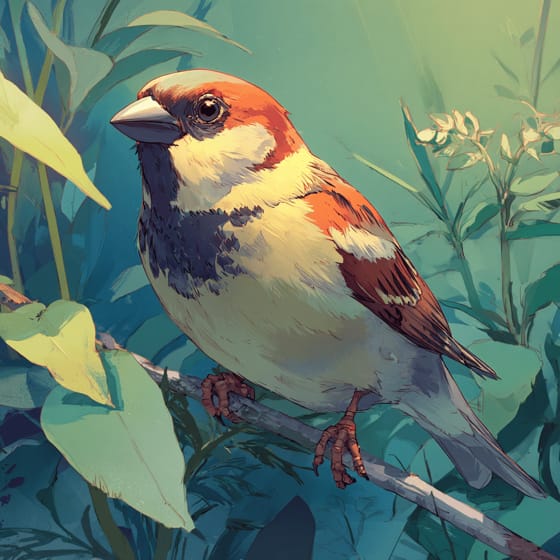
Passer domesticus
A quick meal for various insect-eating birds.
Marked with spots or patches of a different color.
Social animals live in organized groups, cooperating for survival benefits such as foraging, defense, and raising offspring.
Colorful describes organisms or objects displaying a wide range of bright and distinct colors.
Grassland habitats are terrestrial biomes dominated by grasses and herbaceous plants, supporting a variety of grazing animals.

This trait characterizes organisms whose diet consists entirely or primarily of plant material.

Describes plants that are particularly attractive and beneficial to a wide range of pollinating organisms.

Diurnal animals are primarily active during daylight hours, typically resting or sleeping at night.

Describes organisms that transfer pollen, enabling the fertilization and reproduction of plants.
No aliases listed yet.
Danger
1/5 · Very low
Butterflies are gentle, but it's best to watch them from a distance so they feel safe.
The easiest way to identify Lyside Sulphur is to use the Snappit nature identifier app.
38-60 mm
19-30 mm
7-21 days
10 km/h
Adults sip sweet flower nectar, while their caterpillars munch on the leaves of specific desert plants.
Open fields
Foraging
Zoom in to split clusters and explore where this object has been snapped.

Texas, US
You might spot Greater Earless Lizard and Tree Cholla.
View guide →

Texas, US
You might spot Orca, Beluga Whale, and Bottlenose Dolphin.
View guide →
Texas, US
You might spot Orca, Beluga Whale, and Bottlenose Dolphin.
View guide →
Take the discovery with you
Snap it with Snappit to identify it, learn what makes it special, and add the discovery to your collection.






.jpg&width=800)



