





Douglas's Squirrel
Tamiasciurus douglasii
Douglas's Squirrel is a lively little animal with a fluffy tail and bright eyes. They love to climb trees and gather nuts to eat. You can often see them playing in the forest!
Habitat: Forests
The Douglas's Squirrel has a reddish-brown back and flanks, contrasting with a buff to orange-yellow belly. A distinctive black stripe often separates these two colors along its sides. They have a noticeable lighter ring around their large, dark eyes, making them look alert.
Category
MammalsRarity
Common
Danger
1/5 · Very low
Snaps
5
Douglas's Squirrels are known for clipping pinecones from trees, creating huge "middens."
Their fluffy tails act like a cozy blanket, keeping them warm in cold weather!
They can tell different bird songs apart, listening for danger warnings!
They sometimes "bark" at intruders, making a loud, chattering alarm call!
Douglas's Squirrel can expertly extract seeds from tough conifer cones using its strong teeth and nimble paws for food.
Douglas's Squirrel has an amazing memory that helps them find the hundreds of seed caches they bury for winter survival.
Douglas's Squirrel can leap between branches and descend trees headfirst because of its sharp claws and flexible ankles.
Douglas's Squirrels mostly munch on seeds from pinecones, but also enjoy mushrooms, berries, and nuts!
Pseudotsuga menziesii
Provides critical food (seeds) and shelter.
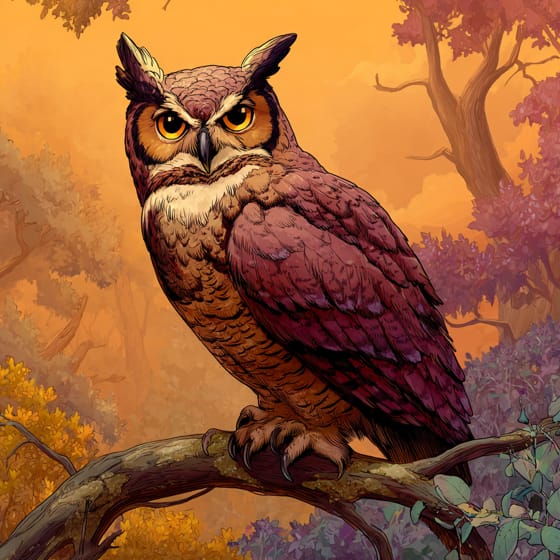
Bubo virginianus
Hunts squirrels, especially at dawn and dusk.

Martes caurina
A quick forest predator that hunts squirrels.
Rhizopogon vinicolor
Eats fungi and helps spread their spores.
Furry describes animals possessing a dense covering of soft hair or fur.
Social animals live in organized groups, cooperating for survival benefits such as foraging, defense, and raising offspring.
Arboreal animals live primarily in trees, utilizing them for shelter, food, and protection from predators.
This trait characterizes organisms whose diet consists entirely or primarily of plant material.

Forest habitats are terrestrial environments dominated by dense tree cover, supporting a high diversity of plant and animal life.

Diurnal animals are primarily active during daylight hours, typically resting or sleeping at night.

This trait identifies organisms that exhibit exceptional swiftness in movement for hunting, escape, or travel.
No aliases listed yet.
Danger
1/5 · Very low
Watch squirrels from a distance and don't try to touch them. They are wild animals.
The easiest way to identify Douglas's Squirrel is to use the Snappit nature identifier app.
16-21 cm
0.15-0.3 kg
3-7 years
25 km/h
Douglas's Squirrels mostly munch on seeds from pinecones, but also enjoy mushrooms, berries, and nuts!
Forests
Foraging
Zoom in to split clusters and explore where this object has been snapped.

Oregon, US
You might spot Duck, Pacific Trillium, and Wood Duck.
View guide →

Washington, US
You might spot Rock Pigeon, Great Blue Heron, and Duck.
View guide →

Washington, US
You might spot Cascade Oregon-Grape, Douglas Fir, and Salal.
View guide →

California, US
You might spot Pacific Banana Slug and Pacific Trillium.
View guide →

Washington, US
You might spot Pacific Banana Slug, Western Sword Fern, and Elk.
View guide →

California, US
You might spot Snowplant and Douglas's Squirrel.
View guide →
Take the discovery with you
Snap it with Snappit to identify it, learn what makes it special, and add the discovery to your collection.




.jpg&width=800)

.JPG&width=800)


.jpg&width=800)
