





Durban Crowfoot
Dactyloctenium aegyptium
Durban Crowfoot is a grassy plant that grows close to the ground. It has long, thin leaves and can be found in many sunny places, making it a great spot for little critters to hide!
Habitat: Grasslands
The Durban Crowfoot is a sprawling green grass with distinctive seed heads resembling a bird's foot. Each head has 3-7 short, thick spikes radiating outwards, often tinged purplish-brown. Its slender leaves are flat and smooth, forming dense mats on the ground.
Category
PlantsRarity
Common
Danger
1/5 · Very low
Snaps
2
Durban Crowfoot can sprout and grow in less than a week after a good rain!
Farmers in some dry regions actually value it as emergency animal fodder.
Its tiny seeds were once ground into flour to make bread in times of scarcity!
This grass is often called 'Crowfoot Grass' because its seed heads look like a bird's foot.
Durban Crowfoot has strong roots and a waxy coating that helps it survive even when there's not much water.
Durban Crowfoot can grow very quickly, forming a thick green mat that helps it outcompete other plants for sunlight.
Spodoptera frugiperda
larvae feed on its leaves

Bos taurus
grazing animals consume its foliage
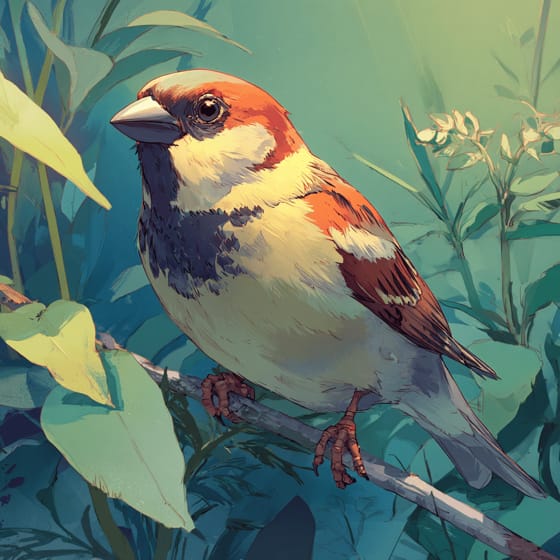
Passer domesticus
birds feed on its abundant seeds
Grass-like plants are herbaceous plants that visually resemble true grasses, typically having long, narrow leaves.
Drought-tolerant plants can survive and flourish in conditions with limited water availability.
Edible plants are those parts of a plant that are considered safe for human consumption.
Grassland habitats are terrestrial biomes dominated by grasses and herbaceous plants, supporting a variety of grazing animals.

Describes plants that are particularly attractive and beneficial to a wide range of pollinating organisms.

Rapid growing plants exhibit accelerated growth rates, quickly increasing in size and biomass within a short period.
No aliases listed yet.
Danger
1/5 · Very low
Always look but don't touch plants unless you know they are safe.
The easiest way to identify Durban Crowfoot is to use the Snappit nature identifier app.
10-60 cm
20-100 cm
0.1-0.5 cm
Summer to Fall
Yes
None
Annual
Zoom in to split clusters and explore where this object has been snapped.
Take the discovery with you
Snap it with Snappit to identify it, learn what makes it special, and add the discovery to your collection.










.jpg&width=800)



_001.jpg&width=800)



