





Soft-hair Marbleseed
Lithospermum bejariense
The Soft-hair Marbleseed is a pretty plant with soft, fuzzy leaves. It grows small, round seeds that look like marbles! This plant loves sunny places and can be found in dry areas.
Habitat: Desert
The Soft-hair Marbleseed is a low-growing plant with numerous soft, fuzzy leaves that give it a grayish-green appearance. It produces small, star-shaped flowers that are typically creamy white or pale yellow. Its distinctive, hard, shiny seeds resemble tiny, smooth marbles.
Category
PlantsRarity
Common
Danger
1/5 · Very low
Snaps
Be the first to snap!
Its hard seeds were once used by Native Americans as tiny, natural beads for making jewelry!
Some tiny ants help spread its hard seeds to new places, acting like little gardeners!
The plant's scientific name, Lithospermum, literally means 'stone seed' because its seeds are so hard!
This tough plant can live for many years, growing new stems each spring from its deep roots!
Soft-hair Marbleseed has tiny, soft hairs all over its leaves that help it survive in hot, dry places by reducing water loss.
Soft-hair Marbleseed produces very hard, smooth, marble-like seeds that are protected and can last a long time before sprouting.
Soft-hair Marbleseed can grow a long taproot deep into the soil to find water, helping it thrive in drier environments.
Apis mellifera
attracted to its small white flowers
Bombus impatiens
collects nectar from its blossoms

Odocoileus virginianus
its foliage is occasionally browsed
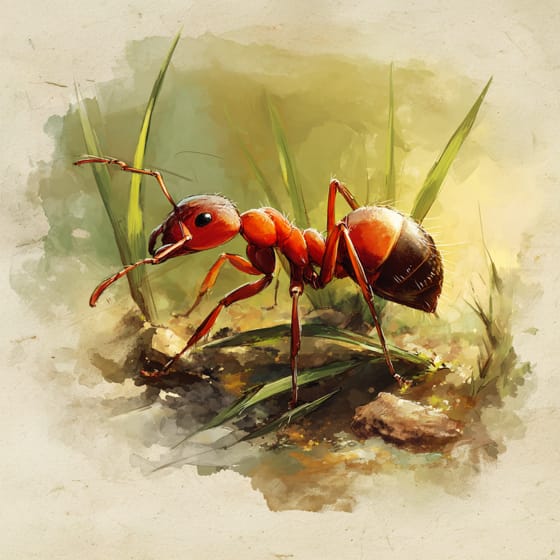
Solenopsis invicta
ants disperse and consume its seeds
Furry describes animals possessing a dense covering of soft hair or fur.
Ornamental plants are cultivated primarily for their aesthetic appeal, enhancing landscapes and gardens with their attractive foliage, flowers, or form.
Drought-tolerant plants can survive and flourish in conditions with limited water availability.
Describes plants that are particularly attractive and beneficial to a wide range of pollinating organisms.

Desert habitats are arid regions characterized by extremely low precipitation and often extreme temperatures, supporting specialized flora and fauna.
No aliases listed yet.
Danger
1/5 · Very low
Always look but don't touch plants unless you know they are safe.
The easiest way to identify Soft-hair Marbleseed is to use the Snappit nature identifier app.
10-40 cm
15-30 cm
0.5-1 cm
Spring to summer
No
None
Perennial
Zoom in to split clusters and explore where this object has been snapped.
Recent snaps will appear here as new observations are added.
Take the discovery with you
Snap it with Snappit to identify it, learn what makes it special, and add the discovery to your collection.




.jpg)





.jpg&width=800)



_001.jpg&width=800)




