





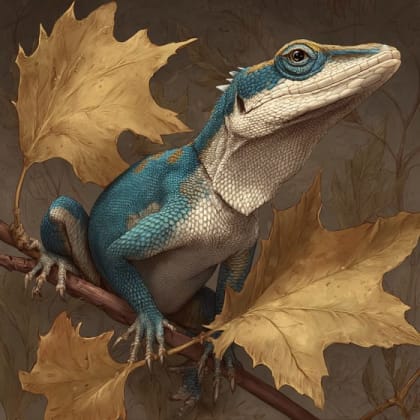
Brown Anole

The Houston Arboretum and Nature Center is a serene escape in the heart of the city.
The Houston Arboretum and Nature Center is a serene escape in the heart of the city.
This 155-acre non-profit urban nature sanctuary offers a vital retreat from Houston's bustling pace, providing a haven for native plants and animals within Memorial Park. With over five miles of winding trails, it invites visitors of all ages to immerse themselves in diverse ecosystems, fostering education and appreciation for the natural world right in the city's embrace. Admission to the grounds and trails is free, making it an accessible natural gem for locals and tourists alike.
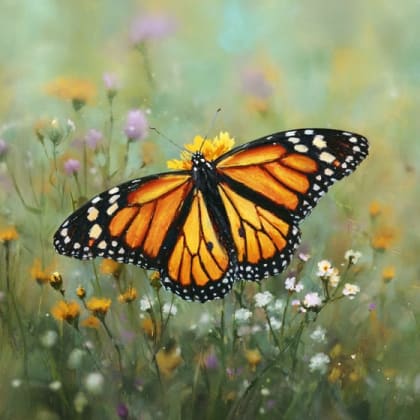
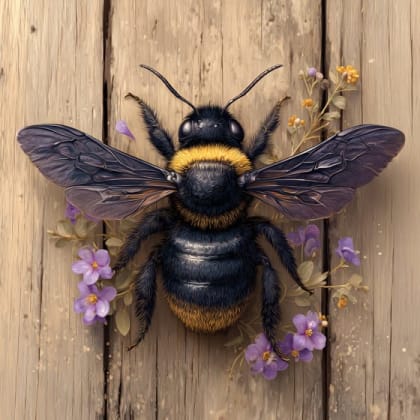
Explore a rich tapestry of native habitats, including prairies vibrant with wildflowers, dense woodlands, peaceful wetlands, and savannas. Key attractions include the interactive Discovery Room, featuring live ambassador animals, educational exhibits, and microscopes, perfect for curious minds. The Nature Playscape provides a nature-themed playground for children, while specialized gardens like the Pollinator Garden buzz with butterflies and bees, and the Sensory Garden engages sight, smell, and touch. Visitors can observe a wide variety of wildlife, from basking turtles and green treefrogs in the numerous ponds to various bird species like herons, kingfishers, and woodpeckers, as well as mammals such as armadillos, squirrels, and rabbits.
Whether you seek a quiet stroll, an educational family outing, or a prime spot for birdwatching and photography, the Houston Arboretum offers a memorable experience. It's a place where urban dwellers can reconnect with nature, learn about local ecology, and witness the ongoing efforts to protect and restore Texas's unique biodiversity. The constantly evolving landscape, enhanced by a commitment to ecological restoration, ensures that each visit offers new discoveries and a renewed sense of wonder for the natural world. Don't forget to bring the Snappit nature identification app along to scan local species.
The concept for the Houston Arboretum and Nature Center was championed by naturalist Robert A. Vines in the 1940s. In 1951, the City Council designated 265 acres of Memorial Park land for an arboretum and botanical garden, though subsequent road construction reduced the site to its current 155 acres. The children's botanical hall was funded in 1966, leading to the establishment of the Nature Center building in 1967, positioning it as one of Texas's pioneering nature education facilities for children. Renamed the Houston Arboretum & Nature Center in the 1980s, the venue underwent significant renovations and expansions in the 1990s, including upgrades to the Discovery Room exhibits. More recently, the Arboretum faced substantial challenges, losing over 50% of its tree canopy due to Hurricane Ike in 2008 and a severe drought in 2011. This led to a comprehensive 2013-2014 Master Plan focused on ecological restoration, re-establishing prairie and savanna ecosystems and adding new amenities like improved trails, boardwalks, educational Field Stations, and the Nature Playscape, transforming it into a more resilient and diverse habitat.
Walk the five miles of trails, observe native birds and wildlife, engage with the hands-on exhibits in the Discovery Room, let children play in the Nature Playscape, and participate in one of the many educational programs or guided tours.
Spring & Fall: Excellent for birdwatching as migratory species like indigo buntings and various warblers pass through. Spring also brings vibrant wildflower displays to the prairies.
Summer: Visit early in the day to beat the heat. Layers are recommended for sun and mosquito protection.
Winter: The bayou area is often best explored during the cooler winter months.
Events: Check the Arboretum's website for seasonal events like the "ArBOOretum" (Halloween), plant sales, and birding classes.
The Nature Center building, including its bathrooms, is accessible. Approximately 2 miles of trails are accessible, featuring boardwalks, decomposed granite, metal grates, and paved concrete surfaces. Accessible parking is available at both entrances. Mobility devices, including an electronic scooter and an all-terrain manual wheelchair, can be checked out free of charge. The Palmetto Multi-sensory trail is designed for visitors with visual impairments, offering a guide rope and braille signage.
The Discovery Room with its interactive displays and live ambassador animals, the Nature Playscape for children, the tranquil Meadow Pond, the bustling Pollinator Garden, and the unique Palmetto Multi-sensory Trail. The six educational Field Stations located throughout the site provide insights into the diverse habitats.
Each card links to a full Explore page with photos, traits, and fun facts.
Start with the big picture, then zoom in to explore individual wildlife observations around this place.
Wear appropriate footwear
** Comfortable walking shoes are a must, as you'll be exploring five miles of trails.
Stay hydrated and protected
Bring a reusable water bottle (refill stations are available), apply sunscreen, and use bug spray, especially during warmer months.
Plan for parking
Consider visiting on a Thursday for free parking, or be prepared to pay the fee (around $6.50) on other days. Payment can be made at meters or via the ParkHouston app.
Respect wildlife and trails
Stay on designated paths, do not feed or touch the animals, and refrain from picking plants. Being quiet increases your chances of spotting wildlife.
No picnics on-site
The Arboretum does not have designated picnic areas. Picnic facilities are available nearby in Memorial Park.
Check the calendar
Visit the Arboretum's website for their schedule of events, including guided tours, educational classes, and seasonal activities, to enhance your visit.
Jun 20, 2026
Jun 20, 2026
Jun 19, 2026
Jun 19, 2026
Jun 19, 2026

Maryland, US
You might spot White-Tailed Deer and Eastern Gray Squirrel.
View guide →
.jpg)
District of Columbia, US
You might spot Eastern Gray Squirrel, Duck, and House Sparrow.
View guide →

Illinois, US
You might spot American Robin, Canada Goose, and House Sparrow.
View guide →

Virginia, US
You might spot Spotted Lanternfly and Northern Cardinal.
View guide →
Take the discovery with you
Identify the wildlife you spot, learn as you go, and keep a collection of the adventure.

































_female_ventral.jpg&width=800)

