Bee

Bean Hill Historic District offers a charming journey into early American history.
Bean Hill Historic District offers a charming journey into early American history. This well-preserved area in Norwich, Connecticut, showcases a remarkable collection of 18th and 19th-century buildings centered around the historic Bean Hill Green. It's a place where visitors can truly step back in time and experience the architectural styles and community life that defined the region, reflecting its past as a vibrant manufacturing, commercial, and residential hub.
The district encompasses approximately 22 acres and features 23 contributing buildings, each telling a piece of Bean Hill's rich narrative. Highlights include four 18th-century houses, the 1833 Bean Hill Methodist Church (Norwich's first Methodist church, known for its Greek Revival style), and various structures along West Town Street and Huntington Avenue. The central Bean Hill Green, laid out in 1729, remains a focal point, having once been shaded by elm, ash, and poplar trees and serving as a gathering place for the community.
Visiting Bean Hill Historic District is an enriching experience for anyone interested in American heritage and architecture. It offers a unique opportunity to wander through picturesque streets, admire historically significant structures, and imagine life in a bygone era. Whether you're a history enthusiast, an architecture admirer, or simply seeking a peaceful stroll, the district provides a memorable glimpse into Connecticut's past, making it a truly worthwhile destination. Be ready to snap and learn! Get the Snappit app to identify any nature species you find here.
The Bean Hill Historic District holds deep historical roots in Norwich, Connecticut, having been established as an early settlement. Originally laid out with its central Green in 1729, Bean Hill quickly evolved into a significant manufacturing, commercial, and residential center throughout the 18th and 19th centuries. The area was home to grist mills, sawmills, textile mills, artisans, and tavern keepers, contributing to its bustling character. Recognized for its well-preserved architectural heritage, the Bean Hill Historic District was added to the National Register of Historic Places in 1982. The district played a notable role in early American history, even serving as a meeting place for dissenters from the Congregational Church and hosting the first Episcopal services in Norwich in the 1730s. Patriots, including Major John Durkee, a leader of the Sons of Liberty, also gathered here, showcasing the district's connection to significant political movements of its time. The name "Bean Hill" itself is steeped in local folklore, with one popular legend suggesting it came from hungry prospectors finding buried pots of beans in the 17th century.
Take a self-guided walking tour to admire the diverse architectural styles, photograph the historic buildings, and read about the historical significance of the area. Imagine the past life of this vibrant community around the Green.
Fall brings vibrant leaf colors, enhancing photographic opportunities. While there are no specific animal activities, seasonal historical events or tours might be available, so checking local listings is advisable.
The district primarily involves walking along public streets and sidewalks, which are generally accessible. However, access to the interiors of private residences may not be available.
The collection of 18th and 19th-century residential architecture, the Bean Hill Green, and the former Bean Hill Methodist Church. Look for the unique architectural details of buildings like the Edmund Goo(d)kin House and the David Keeler House.
Each card links to a full Explore page with photos, traits, and fun facts.
Start with the big picture, then zoom in to explore individual wildlife observations around this place.
Wear comfortable shoes
The best way to experience the district is on foot, allowing you to appreciate the architectural details and historical markers.
Bring a camera
The historic buildings and the picturesque Bean Hill Green offer excellent photographic opportunities.
Research before you go
While a website isn't available, searching for "Bean Hill Historic District walking tour" or "Norwich CT historical sites" might yield self-guided tour information or brochures from local historical societies.
Respect private property
Many of the buildings are private residences; be mindful of privacy and enjoy the views from public sidewalks.
Visit the Bean Hill Green
This central green is a key feature and a good starting point for your exploration, offering a sense of the community's historical layout.
Combine with other Norwich history
Norwich has other significant historical areas; consider extending your visit to explore the broader historical context of the city.
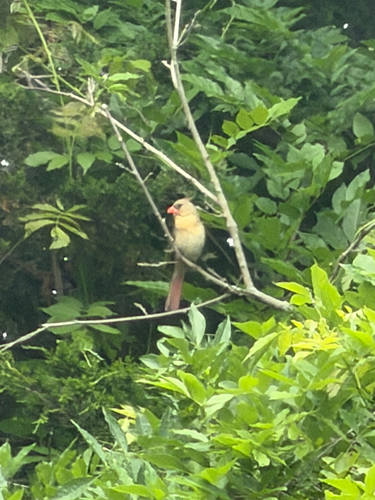
Jun 14, 2026
Photo attribution
(c) Sawyer Baran, some rights reserved (CC BY)
License: CC BY 4.0 ↗
Image may be shown cropped inside the card frame.
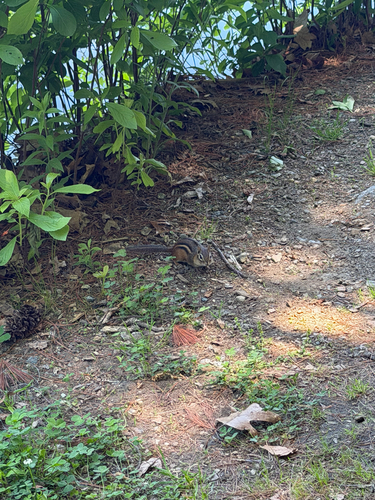
Jun 11, 2026
Photo attribution
(c) Sawyer Baran, some rights reserved (CC BY)
License: CC BY 4.0 ↗
Image may be shown cropped inside the card frame.
Jun 7, 2026
Photo attribution
(c) Sawyer Baran, some rights reserved (CC BY)
License: CC BY 4.0 ↗
Image may be shown cropped inside the card frame.
Jun 3, 2026
Photo attribution
(c) Sawyer Baran, some rights reserved (CC BY)
License: CC BY 4.0 ↗
Image may be shown cropped inside the card frame.
Jun 3, 2026
Photo attribution
(c) Sawyer Baran, some rights reserved (CC BY)
License: CC BY 4.0 ↗
Image may be shown cropped inside the card frame.

Maryland, US
You might spot White-Tailed Deer and Eastern Gray Squirrel.
View guide →
.jpg)
District of Columbia, US
You might spot Eastern Gray Squirrel, Duck, and House Sparrow.
View guide →

Illinois, US
You might spot American Robin, Canada Goose, and House Sparrow.
View guide →

Virginia, US
You might spot Spotted Lanternfly and Northern Cardinal.
View guide →
Take the discovery with you
Identify the wildlife you spot, learn as you go, and keep a collection of the adventure.