




Eastern black rhinoceros
Diceros bicornis michaeli
The Eastern black rhinoceros is a big, strong animal with two horns on its nose. It has thick skin and loves to munch on leaves and bushes in the wild.
Habitat: Savannas
The Eastern black rhinoceros has thick, dark grey to brownish-black skin and a stocky body supported by short, sturdy legs. It features two prominent horns and a distinguishing prehensile, pointed upper lip used for grasping leaves and twigs.
Category
MammalsRarity
Rare
Danger
4/5 · High
Snaps
Be the first to snap!
Each rhino has unique footprints, like human fingerprints!
Rhinos can communicate using over ten different sounds, from snorts to roars!
Rhinos love to wallow in mud, creating a protective sunscreen for their skin!
Their horns can grow over a meter long throughout their life!
Eastern black rhinoceros has a pointed upper lip that helps them expertly grasp and pluck leaves and twigs from thorny bushes.
Eastern black rhinoceros has an excellent sense of smell that helps them detect predators and other rhinos from far away.
Eastern black rhinoceros has incredibly thick skin that helps them protect against sharp thorns and insect bites in dense bush.
They are plant-eaters that enjoy munching on leaves, twigs, and fruits from various shrubs and trees.
Bubulcus ibis
Eats parasites off their skin.
Panthera leo
Lion prides occasionally hunt rhino calves.
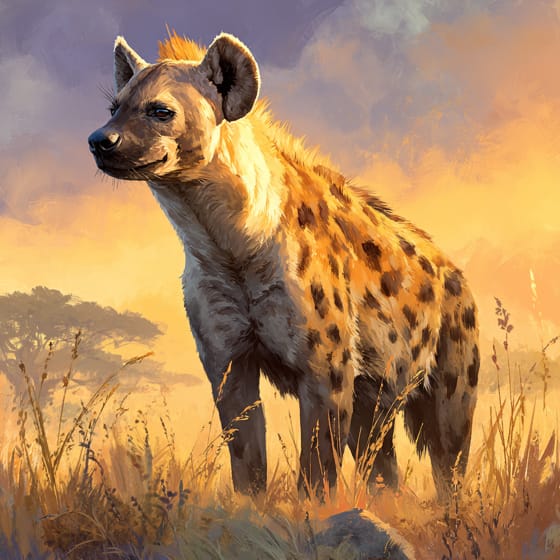
Crocuta crocuta
Hyenas may target young rhino calves.
Solitary animals live alone for most of their lives, only interacting with others for mating or parental care.
Characterized by having one or more hard, permanent, pointed projections on the head.
This trait characterizes organisms whose diet consists entirely or primarily of plant material.
This habitat trait denotes species native to savannas, which are grasslands with scattered trees, typically found in tropical or subtropical regions with distinct wet and dry seasons.

Diurnal animals are primarily active during daylight hours, typically resting or sleeping at night.

Describes a species whose presence and role have a disproportionately large effect on its environment.

Giant describes organisms or objects of significantly larger size than average for their species or type.

Endangered status indicates a species is at a very high risk of extinction in the wild in the near future.
Danger
4/5 · High
Always admire rhinos from a safe distance and never try to approach them.
The easiest way to identify Eastern black rhinoceros is to use the Snappit nature identifier app.
280-380 cm
800-1400 kg
35-50 years
55 km/h
They are plant-eaters that enjoy munching on leaves, twigs, and fruits from various shrubs and trees.
Savannas
Foraging
Zoom in to split clusters and explore where this object has been snapped.
Recent snaps will appear here as new observations are added.

Texas, US
You might spot Giraffes, African Lion, and Eastern Black Rhinoceros.
View guide →
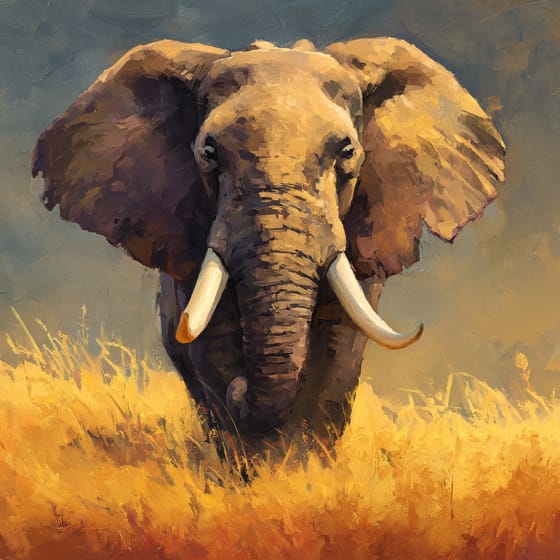
Alabama, US
You might spot African Elephant and Reticulated Giraffe.
View guide →
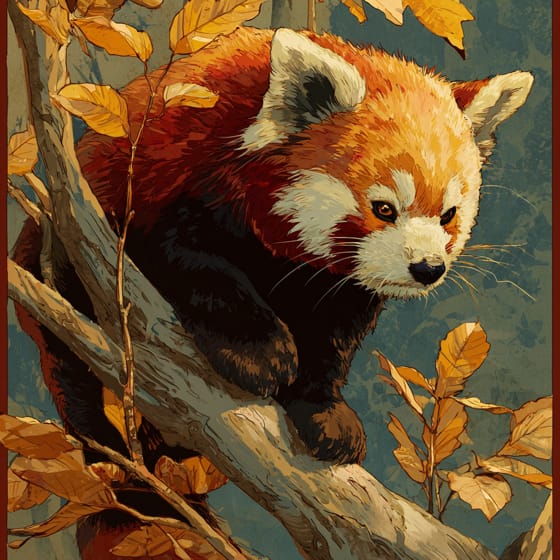
Iowa, US
You might spot Red Panda, African Lion, and Tiger.
View guide →

England, UK
You might spot African Elephant, Gorilla, and Tiger.
View guide →

Illinois, US
You might spot African Lion, African Penguin, and Gorilla.
View guide →
Louisiana, US
You might spot Tiger, North American River Otter, and Reticulated Giraffe.
View guide →
Take the discovery with you
Snap it with Snappit to identify it, learn what makes it special, and add the discovery to your collection.




.jpg&width=800)




.JPG&width=800)


.jpg&width=800)
