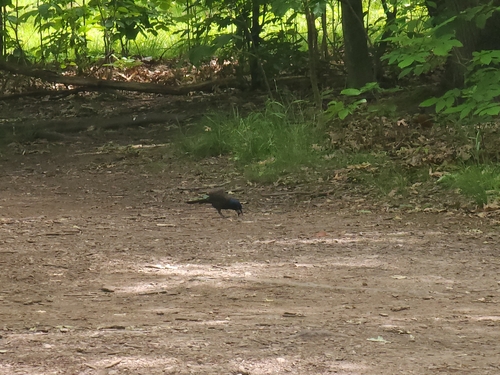
American Robin

The Ambler Heights Historic District offers a journey through early 20th-century architectural splendor.
The Ambler Heights Historic District offers a journey through early 20th-century architectural splendor. This distinguished historic district, primarily located in Cleveland Heights, Ohio, showcases an exceptional collection of architect-designed homes nestled within a gracefully planned "garden suburb" landscape. Recognized on the National Register of Historic Places since 2002, it stands as a testament to early suburban community planning and luxurious residential design.
Visitors can immerse themselves in a captivating array of architectural styles, including prominent examples of Tudor Revival, Colonial Revival, Georgian Revival, and Italian Renaissance Revival. The district also features unique interpretations of Prairie School, French Renaissance Revival, and Shingle Style architecture. These grand residences, many designed by leading Cleveland-area architects such as Frank B. Meade, Meade and Hamilton, Walker and Weeks, Abram Garfield, and Charles S. Schneider, boast intricate craftsmanship and often feature elaborate garden facades, reflecting a commitment to both aesthetic merit and comfortable family living. The carefully designed streetscapes, characterized by wide, gently-curving streets and generous, irregularly shaped lots, contribute to the district's serene and picturesque ambiance.
A stroll or drive through Ambler Heights provides a unique glimpse into the aspirations of Cleveland's early 20th-century elite and the innovative urban planning concepts of the era. It's a place where history and architectural artistry converge, offering a tranquil and visually rich experience for anyone appreciative of historical homes and thoughtfully designed urban spaces. The well-preserved nature of the original homes and the district's overall integrity make it a memorable destination for enthusiasts of history, architecture, and photography. Enhance your adventure: download the Snappit app to identify the local species you encounter.
buffs * Photography * Leisurely drives or walks
Embark on a self-guided architectural tour, driving or walking the charming streets like Chestnut Hills Drive, Denton Drive, Devonshire Drive, Elandon Drive, and Harcourt Drive. Admire the variety of Period Revival styles and the craftsmanship evident in each home. Photography is encouraged to capture the unique architectural elements and the picturesque setting.
Spring brings lush greenery and blooming landscapes. Autumn transforms the district with stunning fall colors. Summers can be warm but are ideal for enjoying the full foliage. Winter offers a serene, snow-dusted view, though walking conditions might be more challenging.
The district is a public residential area with sidewalks, making it generally accessible for pedestrians. However, visitors should be prepared for varying terrain due to the natural hill on which the district is built. Parking is typically street-side.
The district itself is the main exhibit, showcasing the cohesive and diverse collection of early 20th-century suburban residential architecture. Keep an eye out for specific examples of Tudor Revival homes with their half-timbering, grand Colonial Revival residences, and intricate details on entryways and windows. The curvilinear street layout and the way homes are integrated into the natural contours of the land are also key features.
Each card links to a full Explore page with photos, traits, and fun facts.
































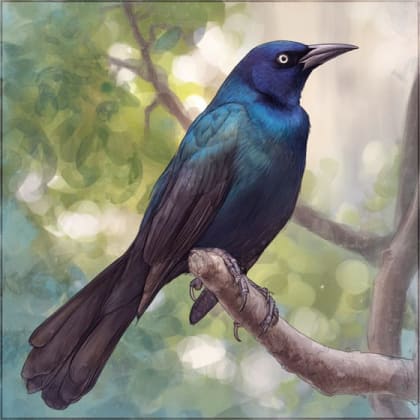









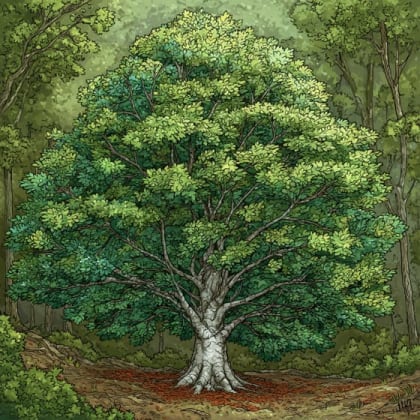



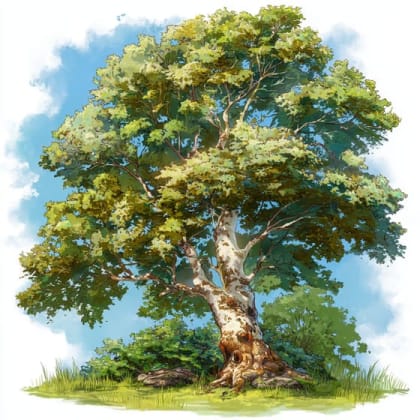




Start with the big picture, then zoom in to explore individual wildlife observations around this place.
Wear comfortable walking shoes if you plan to explore on foot, as the district's streets are extensive.
Bring a camera to capture the stunning architectural details and picturesque streetscapes.
Respect the privacy of residents; remember these are private homes, not public museums.
Consider visiting during daylight hours to fully appreciate the architectural nuances and landscape design.
Look for triangular landscaped islands at intersections like Harcourt and Denton, or Harcourt and Chestnut Hills, which are part of the original design.
Drive slowly if touring by car, as the curving streets and varied architecture warrant careful observation.
Jun 15, 2026
Photo attribution
(c) Joey M, some rights reserved (CC BY)
License: CC BY 4.0 ↗
Image may be shown cropped inside the card frame.
Jun 14, 2026
Photo attribution
(c) Joey M, some rights reserved (CC BY)
License: CC BY 4.0 ↗
Image may be shown cropped inside the card frame.
Jun 10, 2026
Photo attribution
(c) mks334, some rights reserved (CC BY)
License: CC BY 4.0 ↗
Image may be shown cropped inside the card frame.
Jun 6, 2026
Photo attribution
(c) Joey M, some rights reserved (CC BY)
License: CC BY 4.0 ↗
Image may be shown cropped inside the card frame.
Jun 4, 2026
Photo attribution
(c) Jensyn Scott, some rights reserved (CC BY)
License: CC BY 4.0 ↗
Image may be shown cropped inside the card frame.

Maryland, US
You might spot White-Tailed Deer and Eastern Gray Squirrel.
View guide →
.jpg)
District of Columbia, US
You might spot Eastern Gray Squirrel, Duck, and House Sparrow.
View guide →

Illinois, US
You might spot American Robin, Canada Goose, and House Sparrow.
View guide →

Virginia, US
You might spot Spotted Lanternfly and Northern Cardinal.
View guide →
Take the discovery with you
Identify the wildlife you spot, learn as you go, and keep a collection of the adventure.