





Eastern Mole
Scalopus aquaticus
The Eastern Mole is a small, furry animal that lives underground. It has big front paws that help it dig tunnels in the soil to find food like worms and insects.
Habitat: Grasslands
The Eastern Mole is a small mammal with a sleek, velvety dark grayish-brown fur coat that can appear almost black. It has large, paddle-like front feet with powerful claws for digging, setting it apart from rodents. Its tiny eyes and ears are hidden beneath its fur, making it look eyeless.
Category
MammalsRarity
Common
Danger
1/5 · Very low
Snaps
5
Eastern Moles actually have an extra 'thumb' bone on each front paw for better digging power!
Moles can eat incredibly fast, consuming small prey in mere seconds with their sharp teeth!
Their blood has special hemoglobin that helps them breathe in low-oxygen tunnels!
They create intricate underground tunnel systems that can stretch for hundreds of feet!
Eastern Mole can rapidly tunnel through soil because of its strong, shovel-like front paws, helping it find food and shelter.
Eastern Mole has backward-facing fur that allows it to move smoothly both forwards and backwards in tight tunnels.
Eastern Mole can expertly locate prey underground using its highly sensitive nose and whiskers, detecting vibrations.
These tiny tunnelers mostly eat creepy crawlies found underground.
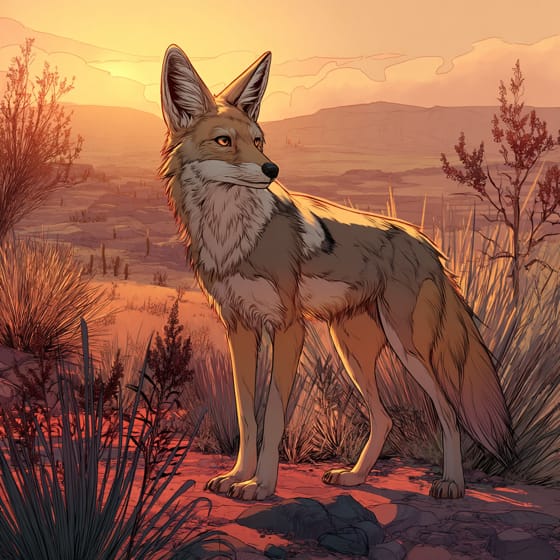
Canis latrans
Opportunistic predator in open areas.
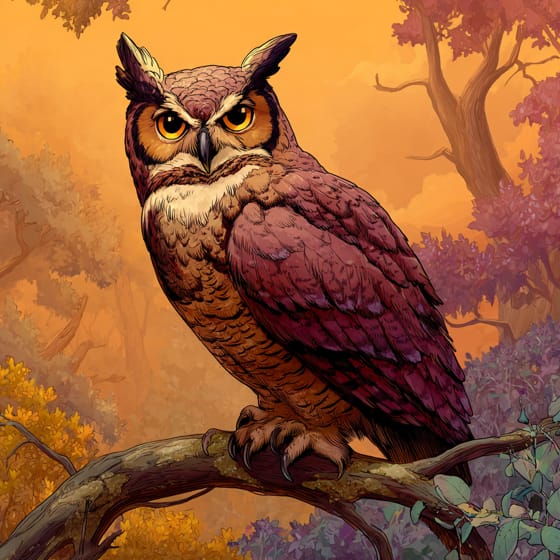
Bubo virginianus
Hunts moles when they surface.
Didelphis virginiana
May prey on moles found above ground.
Mephitis mephitis
Digs up and consumes moles.
Furry describes animals possessing a dense covering of soft hair or fur.
Solitary animals live alone for most of their lives, only interacting with others for mating or parental care.
Burrowing animals dig tunnels and chambers in the ground, using these subterranean structures for shelter, hunting, or breeding.
Grassland habitats are terrestrial biomes dominated by grasses and herbaceous plants, supporting a variety of grazing animals.

This trait identifies organisms whose diet primarily consists of insects and other small invertebrates.

Describes organisms that break down dead organic material, recycling nutrients back into the ecosystem.

Describes a species whose presence and role have a disproportionately large effect on its environment.
No aliases listed yet.
Danger
1/5 · Very low
Moles are shy and prefer to stay underground, so it's best to watch them from a distance.
The easiest way to identify Eastern Mole is to use the Snappit nature identifier app.
15-20 cm
0.08-0.14 kg
3-6 years
3 km/h
These tiny tunnelers mostly eat creepy crawlies found underground.
Grasslands
Foraging
Zoom in to split clusters and explore where this object has been snapped.

Florida, US
You might spot Anole, Eastern Box Turtle, and Golden Silk Spider.
View guide →

Georgia, US
You might spot Gulf Fritillary, Anole, and American Beautyberry.
View guide →

Tennessee, US
You might spot Eastern Bluebird and Red-Shouldered Hawk.
View guide →

Alabama, US
You might spot Scarlet Calamint and Golden Silk Spider.
View guide →

Nebraska, US
You might spot Wabash Pigtoe, Three-Ridge Mussel, and Creeper.
View guide →

Tennessee, US
You might spot Red Buckeye, Prairie Trillium, and Largeflower Bellwort.
View guide →
Take the discovery with you
Snap it with Snappit to identify it, learn what makes it special, and add the discovery to your collection.




.jpg&width=800)



.JPG&width=800)

.jpg&width=800)
