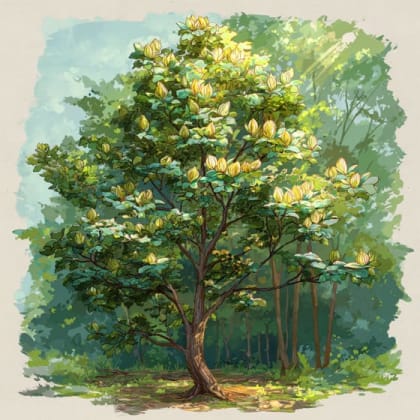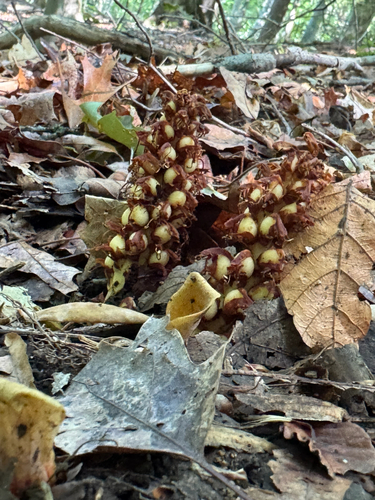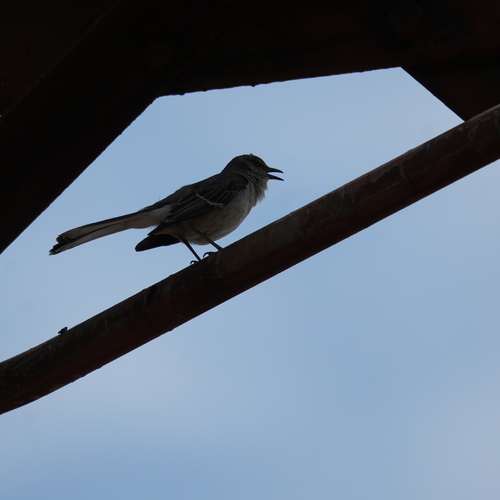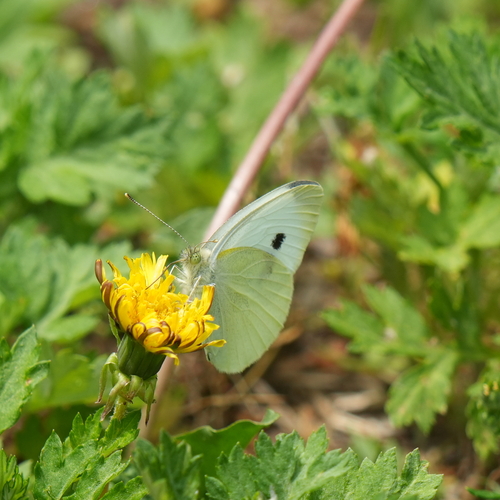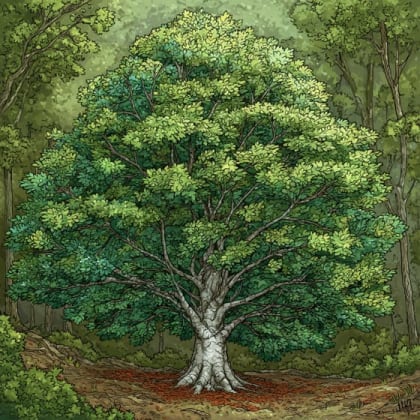





American Beech

Reeves-Reed Arboretum offers a serene escape into a meticulously maintained natural environment.
Reeves-Reed Arboretum offers a serene escape into a meticulously maintained natural environment. This 13.5-acre public garden, listed on both the National and State Registers of Historic Places, seamlessly blends historic design with diverse plant collections, providing a tranquil and educational experience for all visitors.
The arboretum boasts a variety of captivating features, including the vibrant Susie Graham Reeves Rose Garden with its 286 rose bushes and cherub fountain, and the Gretchen Keller Azalea Garden, which bursts with color in May alongside dogwoods, lilacs, and crabapples. Visitors can also explore the tranquil Rock Garden with its pond and waterfall, the historically inspired Herb Garden, and the picturesque woodland trails and a glacial bowl. Seasonal art exhibits and outdoor sculpture installations further enhance the experience, harmoniously blending nature with creative expression.
Beyond its botanical beauty, Reeves-Reed Arboretum serves as a living museum, engaging and enriching the public through horticulture and environmental education. It provides a unique space for quiet reflection, family exploration, and cultural programs, making it a truly memorable destination in Union County. Be ready to snap and learn! Get the Snappit app to identify any nature species you find here.
The property that is now Reeves-Reed Arboretum was originally part of an 1889 country estate known as "The Clearing," purchased by John Hornor Wisner, a merchant in the China trade. Wisner hired Calvert Vaux, a partner of Frederick Law Olmsted, to design the landscape, establishing flower beds and planting specimen trees. In 1916, Richard and Susie Reeves acquired the estate, with Susie Reeves significantly expanding the gardens, including the addition of the Rose Garden in 1925, guided by prominent landscape architects Ellen Biddle Shipman and Carl F. Pilat. The Charles L. Reed family became the last private owners in 1968, adding an Herb Garden and developing woodland trails. In 1974, a group of local citizens campaigned to purchase and preserve the land, leading to its establishment as a public arboretum. The estate is also notable for its Revolutionary War history, having been adjacent to a signal beacon used to warn George Washington's troops.
Take a self-guided stroll, join a free Saturday guided tour, attend a horticultural or history-focused group tour, or enjoy a unique Garden Tour with Tea. Explore seasonal art exhibits, environmental education programs, and special events like summer concerts. Picnic in designated areas.
Spring (April-May): Peak bloom for daffodils (April), azaleas, dogwoods, lilacs, and crabapples (May).
Summer (June-August): Roses are in bloom, summer concerts, and various educational programs.
Fall (September-October): Enjoy autumn colors, and events like "Celebrate Fall."
Winter (November-March): Grounds are open for peaceful walks; the greenhouse provides year-round interest.
Reeves-Reed Arboretum is committed to accessibility. The recently completed "A Path for All" project introduced a continuous ADA-compliant pathway loop, improved grading and surfacing, a new outdoor patio, and additional seating, making major garden areas accessible. Accessible public restrooms are available in Wisner House and the Stackhouse Education Center. Limited wheelchair-accessible parking is available on-site.
Over 30,000 daffodils bloom in a glacial bowl each April, celebrated during Daffodil Day.
Features 286 rose bushes of over 150 varieties, centered around a cherub fountain.
Showcases approximately 850 azalea shrubs and 25 trees, with peak bloom in May.
A serene retreat with a pond and waterfall, providing habitat for birds.
Each card links to a full Explore page with photos, traits, and fun facts.
Start with the big picture, then zoom in to explore individual wildlife observations around this place.
Check seasonal hours
Ground hours vary by season (7 am – 7 pm from April to October; 9 am – 4 pm from November to March), so check the website before your visit.
Wear comfortable shoes
The arboretum spans 13.5 acres with various trails and pathways, so comfortable footwear is recommended for walking and exploring.
Grab a map
Pick up a map from the Visitors Center upon arrival to navigate the gardens and trails effectively and ensure you don't miss any highlights.
Consider a guided tour
Free guided tours are offered on most Saturdays, and specialized horticulture and history tours are available for a deeper dive into the arboretum's offerings.
Explore the art
Look for both indoor art exhibits in Wisner House and outdoor sculpture installations integrated throughout the gardens.
Pack a picnic
Enjoy the beautiful surroundings by bringing your own food and picnicking in one of the designated areas.
Parking
On-site parking is available. Pull up slowly to the gate to activate its automatic opening. Street parking may also be available.
Jun 7, 2026
Photo attribution
(c) syvwlch, some rights reserved (CC BY)
License: CC BY 4.0 ↗
Image may be shown cropped inside the card frame.
Jun 6, 2026
Photo attribution
(c) foxsu, some rights reserved (CC BY)
License: CC BY 4.0 ↗
Image may be shown cropped inside the card frame.
Jun 6, 2026
Photo attribution
(c) foxsu, some rights reserved (CC BY)
License: CC BY 4.0 ↗
Image may be shown cropped inside the card frame.
Jun 6, 2026
Photo attribution
(c) foxsu, some rights reserved (CC BY)
License: CC BY 4.0 ↗
Image may be shown cropped inside the card frame.
Jun 6, 2026
Photo attribution
(c) foxsu, some rights reserved (CC BY)
License: CC BY 4.0 ↗
Image may be shown cropped inside the card frame.

Maryland, US
You might spot White-Tailed Deer and Eastern Gray Squirrel.
View guide →
.jpg)
District of Columbia, US
You might spot Eastern Gray Squirrel, Duck, and House Sparrow.
View guide →

Illinois, US
You might spot American Robin, Canada Goose, and House Sparrow.
View guide →

Virginia, US
You might spot Spotted Lanternfly and Northern Cardinal.
View guide →
Take the discovery with you
Identify the wildlife you spot, learn as you go, and keep a collection of the adventure.