





Eastern Deermouse
Peromyscus maniculatus
The Eastern Deermouse is a small, cute mouse with big ears and a long tail. They love to explore and can be found in many places, making them fun to watch!
Habitat: Forests
The Eastern Deermouse has large dark eyes and prominent ears. Its soft fur is reddish-brown on top, sharply contrasting with its bright white belly and feet. A distinctive bicolored tail, dark above and white below, helps distinguish it.
Category
MammalsRarity
Common
Danger
1/5 · Very low
Snaps
Be the first to snap!
A mother deermouse can have several litters of babies in just one year!
Eastern Deermice build cozy nests from plants and fur to stay warm!
Their tail can break off if caught, helping them escape predators!
They use their long, sensitive whiskers to 'feel' their way around in the dark.
Eastern Deermouse has extra rod cells in its eyes that helps them see clearly in very low light conditions.
Eastern Deermouse can climb and jump skillfully because of its strong legs and long tail for balance.
Eastern Deermouse can collect and hide seeds and nuts for later because of its excellent memory for food caches.
Eastern Deermouse has large, swiveling ears that helps them pinpoint tiny sounds of danger or food in the dark.
These tiny omnivores munch on seeds, nuts, fruits, and even insects.
Furry describes animals possessing a dense covering of soft hair or fur.
This trait identifies organisms whose diet includes both plant and animal matter.
Forest habitats are terrestrial environments dominated by dense tree cover, supporting a high diversity of plant and animal life.
Diurnal animals are primarily active during daylight hours, typically resting or sleeping at night.
No aliases listed yet.
Danger
1/5 · Very low
If you see a mouse, it's best to watch from a distance and not try to touch it.
The easiest way to identify Eastern Deermouse is to use the Snappit nature identifier app.
7-10 cm
0.015-0.03 kg
1-2 years
13 km/h
These tiny omnivores munch on seeds, nuts, fruits, and even insects.
Forests
Foraging
Zoom in to split clusters and explore where this object has been snapped.
Recent snaps will appear here as new observations are added.

Connecticut, US
You might spot Ilia and Umber Underwings and Large Yellow Underwing.
View guide →
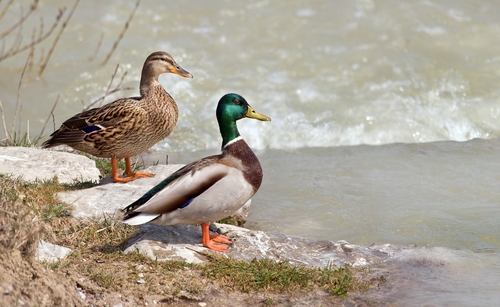
Michigan, US
You might spot Duck, Jack-In-The-Pulpit, and Mayapple.
View guide →
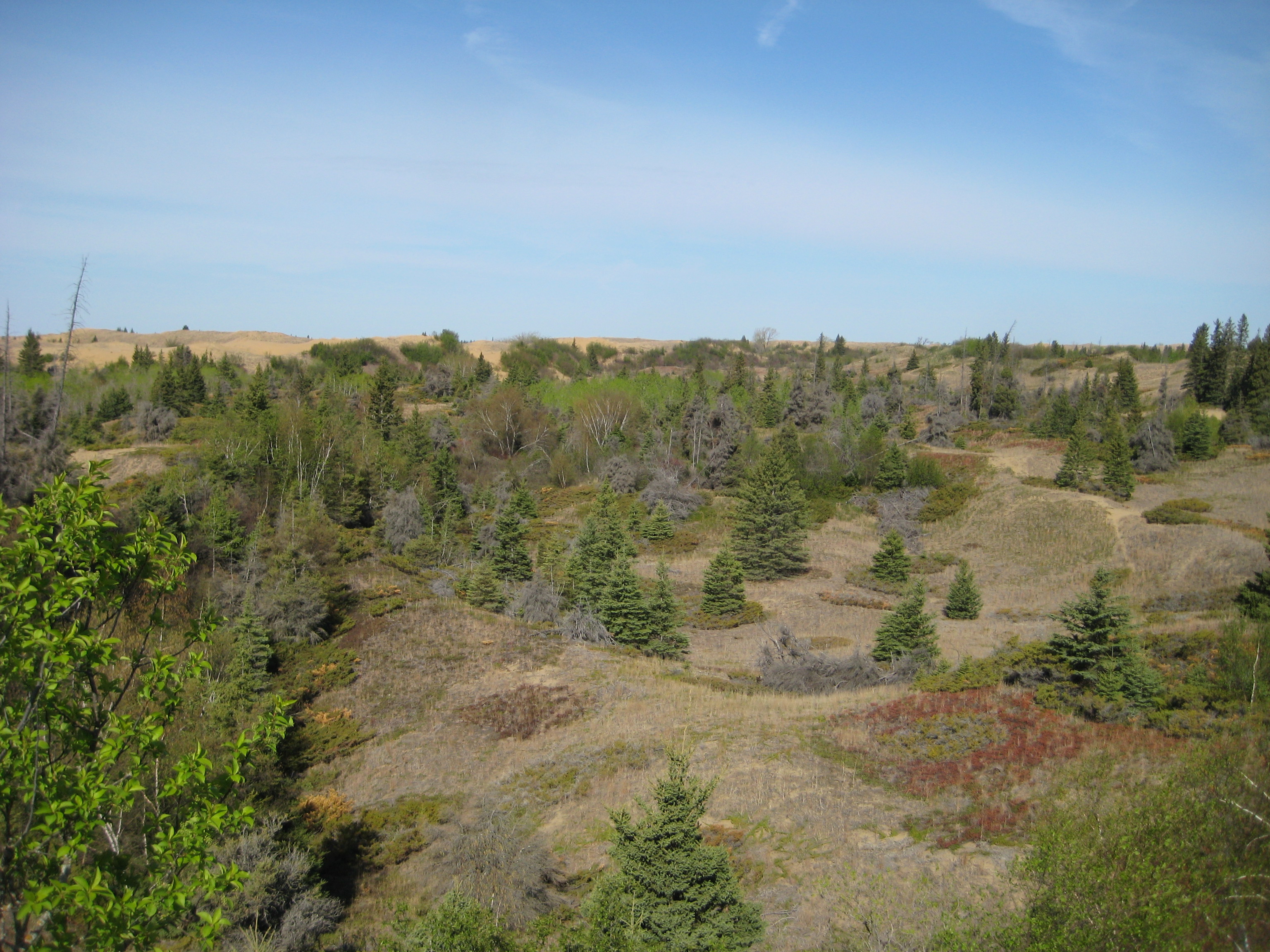
Manitoba, CA
You might spot Prairie Skink, Smooth Greensnake, and Admiral Butterfly.
View guide →
Take the discovery with you
Snap it with Snappit to identify it, learn what makes it special, and add the discovery to your collection.




.jpg&width=800)

.JPG&width=800)



.jpg&width=800)
