_fawn_morph_Esk_valley_2.jpg&width=800)





Eastern Quoll
Dasyurus viverrinus
The Eastern Quoll is a small, spotted marsupial that loves to explore at night. With its cute face and playful nature, it is a fun creature to learn about!
Habitat: Forests
The Eastern Quoll has sleek fur, typically dark brown or black, generously covered with distinctive white spots, resembling a slender, bushy-tailed cat. Its pointed snout and short legs differentiate it from other unspotted quoll species.
Category
MammalsRarity
Rare
Danger
2/5 · Low
Snaps
Be the first to snap!
Eastern Quolls are marsupials, meaning tiny, underdeveloped babies finish growing safely inside their mother's pouch!
Sadly, these quolls disappeared from mainland Australia by the 1960s, now only surviving in Tasmania.
Their thick, bushy tails can store fat, acting like a built-in snack bar for tougher times!
They often make a unique "sneeze" sound to communicate, especially when they feel threatened or excited!
Eastern Quoll has exceptional night vision and hearing that helps them locate and ambush prey in the darkest hours.
Eastern Quoll can quickly climb trees using sharp claws and a flexible body that helps them escape danger or find food.
Eastern Quoll has a highly sensitive nose that helps them track prey, find hidden food, and detect predators effectively.
These opportunistic hunters munch on insects, small animals, carrion, and even fruits and berries!

Sarcophilus harrisii
Quolls are prey for larger Tasmanian carnivores.
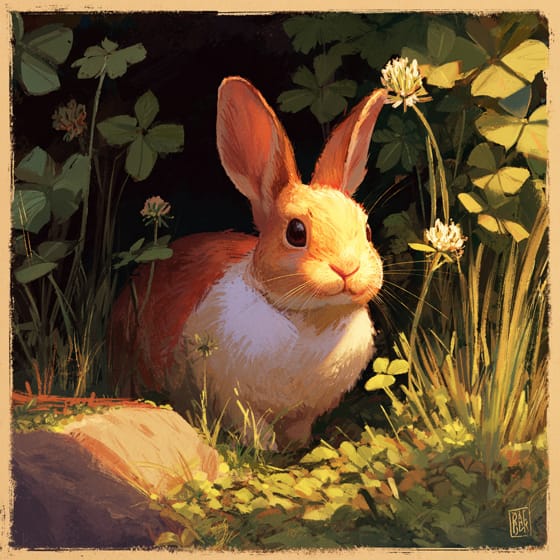
Oryctolagus cuniculus
Quolls hunt young rabbits when available.
Apodemus sylvaticus
Quolls opportunistically feed on small rodents.
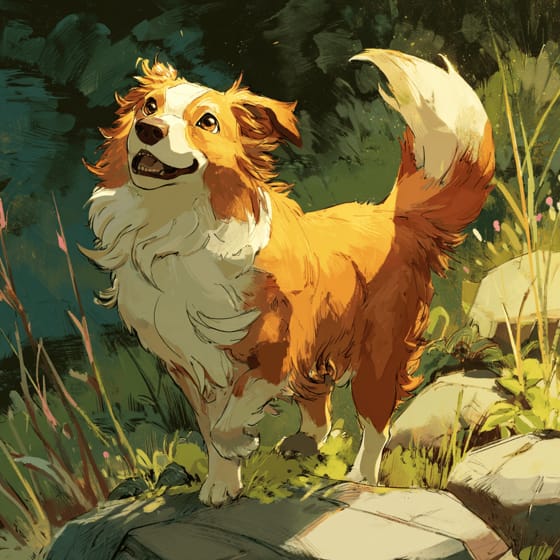
Canis familiaris
Domestic dogs can threaten quoll populations.
Furry describes animals possessing a dense covering of soft hair or fur.
Marked with spots or patches of a different color.
Solitary animals live alone for most of their lives, only interacting with others for mating or parental care.
Arboreal animals live primarily in trees, utilizing them for shelter, food, and protection from predators.

This trait identifies organisms whose diet primarily consists of insects and other small invertebrates.

Forest habitats are terrestrial environments dominated by dense tree cover, supporting a high diversity of plant and animal life.

This trait identifies organisms whose diet consists entirely or primarily of animal tissue.

Nocturnal animals are primarily active during the nighttime hours, typically resting or sleeping during the day.

Endangered status indicates a species is at a very high risk of extinction in the wild in the near future.
No aliases listed yet.
Danger
2/5 · Low
Always watch from a distance and do not try to touch wild animals like quolls.
The easiest way to identify Eastern Quoll is to use the Snappit nature identifier app.
35-45 cm
0.7-2 kg
3-7 years
25 km/h
These opportunistic hunters munch on insects, small animals, carrion, and even fruits and berries!
Forests
Foraging
Zoom in to split clusters and explore where this object has been snapped.
Recent snaps will appear here as new observations are added.
Take the discovery with you
Snap it with Snappit to identify it, learn what makes it special, and add the discovery to your collection.




.jpg&width=800)



.JPG&width=800)



.jpg&width=800)
