





Eastern Slowworm
Anguis colchica
The Eastern Slowworm is a legless lizard that looks like a snake! It has shiny, smooth skin and loves to hide under rocks and leaves in the garden.
Habitat: Grasslands
The Eastern Slowworm has a long, cylindrical body that is shiny and covered in smooth scales, usually coppery-brown, bronze, or greyish. Juveniles often display a prominent dark stripe down their back. Unlike snakes, they possess eyelids and visible ear openings.
Category
ReptilesRarity
Common
Danger
1/5 · Very low
Snaps
Be the first to snap!
Eastern Slowworms have tiny ears and can blink, traits true snakes completely lack!
If you find one, they feel smooth and cool to the touch, almost like glass!
They use their strong, recurved teeth to grip slippery prey like slugs and earthworms!
They're called 'slowworms' but are actually lizards, not worms or snakes at all!
Eastern Slowworm can drop its tail to escape danger because it regenerates a new one, helping them survive attacks.
Eastern Slowworm can smoothly glide through dense undergrowth and loose soil because its body is perfectly adapted for burrowing.
Eastern Slowworm has eyelids that close, allowing them to blink and protect their eyes from dirt, unlike true snakes.
Eastern Slowworm gives birth to live, fully formed babies instead of laying eggs, helping its young have a safer start.
These slow-moving hunters munch on soft-bodied creatures like slugs and earthworms.

Arion ater
A primary food source.
Lumbricus terrestris
Often consumed in moist areas.
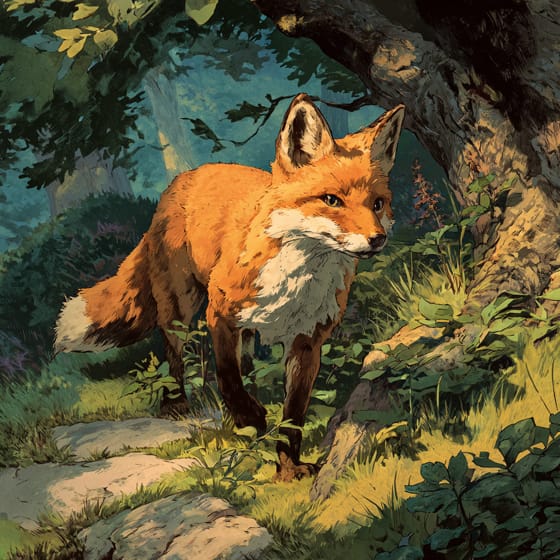
Vulpes vulpes
A common predator in its range.
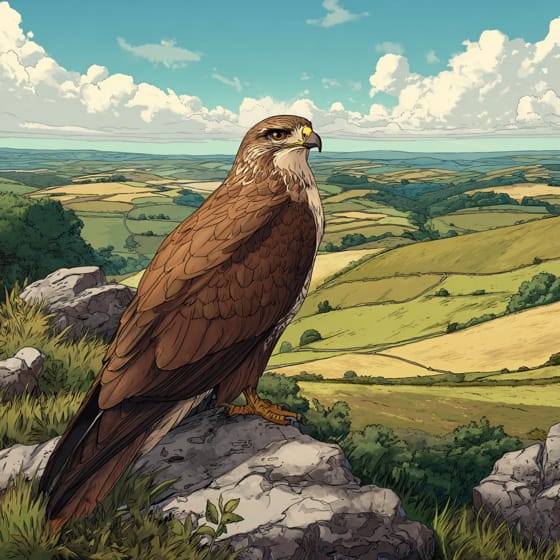
Buteo buteo
Hunts slow-moving reptiles.
Solitary animals live alone for most of their lives, only interacting with others for mating or parental care.
Grassland habitats are terrestrial biomes dominated by grasses and herbaceous plants, supporting a variety of grazing animals.
This trait identifies organisms whose diet primarily consists of insects and other small invertebrates.
An ambush predator hunts by patiently waiting and concealing itself, then launching a sudden attack when unsuspecting prey comes within range.
Hibernating animals enter a state of metabolic depression during cold periods or when food is scarce, characterized by reduced body temperature and activity.

This trait characterizes organisms with an exceptionally long lifespan compared to others of their kind.
Danger
1/5 · Very low
If you see a slowworm, watch it from a distance and don't pick it up.
The easiest way to identify Eastern Slowworm is to use the Snappit nature identifier app.
30-50 cm
0.02-0.1 kg
10-20 years
0.5 km/h
These slow-moving hunters munch on soft-bodied creatures like slugs and earthworms.
Grasslands
Foraging
Zoom in to split clusters and explore where this object has been snapped.
Recent snaps will appear here as new observations are added.
Take the discovery with you
Snap it with Snappit to identify it, learn what makes it special, and add the discovery to your collection.















