





Eastern Treehole Mosquito
Aedes triseriatus
The Eastern Treehole Mosquito is a small insect that loves to live in tree holes and other wet places. They are known for their buzzing sound and can be found in many backyards during warm weather.
Habitat: Forests
The Eastern Treehole Mosquito is a small, dark-bodied insect with silvery-white scales on its legs and a distinct pattern of white scales forming stripes on its black thorax. Its dark wings are delicate and clear. These markings help distinguish it from other mosquito species.
Category
InsectsRarity
Common
Danger
2/5 · Low
Snaps
Be the first to snap!
Only female treehole mosquitoes bite! Males prefer sipping sweet flower nectar.
Their tiny eggs can hatch even after drying out completely, waiting for rain!
These insects can detect carbon dioxide from animals up to 100 feet away!
Treehole mosquito larvae are filter feeders, cleaning their watery homes of microbes!
Eastern Treehole Mosquitoes can lay eggs that survive freezing winters, because they are specially adapted to harsh cold.
Eastern Treehole Mosquitoes can find tiny water-filled treeholes, that helps them lay eggs in perfect hidden nurseries.
Eastern Treehole Mosquitoes can detect exhaled carbon dioxide, that helps them locate warm-blooded animals for a meal.
Adults drink nectar, but females also bite animals for blood to lay eggs.
Age differences: Larvae are aquatic filter-feeders, while adults feed on nectar and (females) blood.

Homo sapiens
Females bite humans for blood meals.
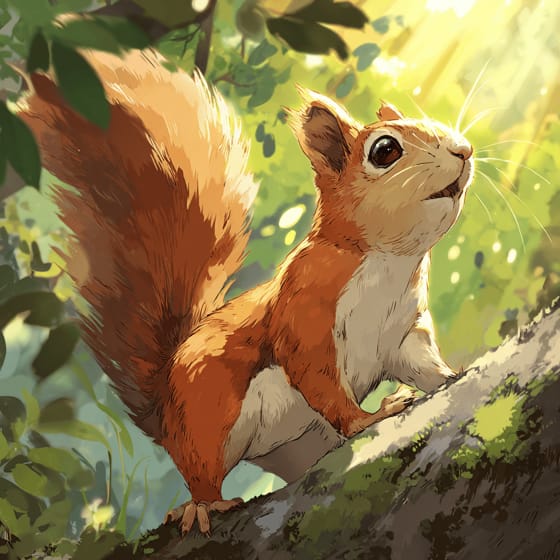
Sciurus carolinensis
Squirrels are common blood hosts for adult females.
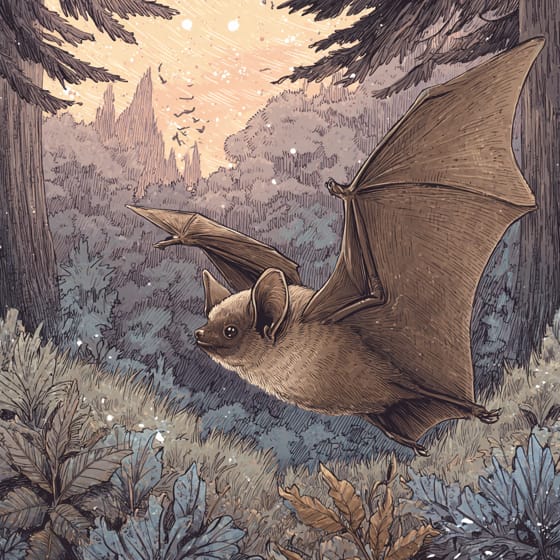
Myotis lucifugus
Bats may prey on flying mosquitoes at night.
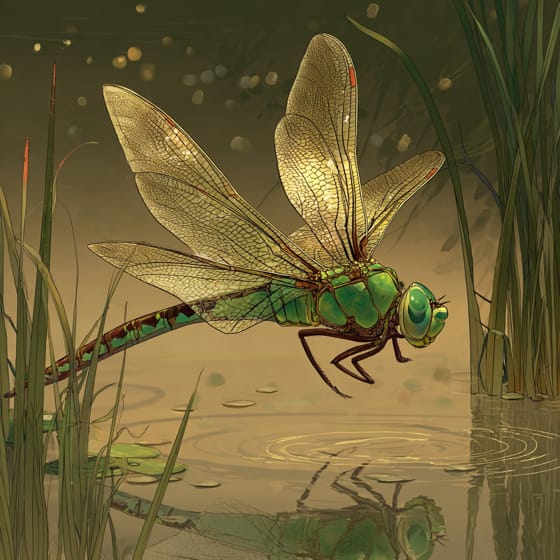
Anax junius
Dragonflies are aerial predators of mosquitoes.
Social animals live in organized groups, cooperating for survival benefits such as foraging, defense, and raising offspring.
Aerial creatures spend a significant portion of their lives airborne, utilizing flight for various activities such as hunting, migration, or nesting.
This trait identifies organisms whose diet includes both plant and animal matter.
Describes plants that are particularly attractive and beneficial to a wide range of pollinating organisms.

Forest habitats are terrestrial environments dominated by dense tree cover, supporting a high diversity of plant and animal life.

Pertaining to species that are significantly smaller than typical or average for their kind.

Nocturnal animals are primarily active during the nighttime hours, typically resting or sleeping during the day.

Describes organisms that transfer pollen, enabling the fertilization and reproduction of plants.
No aliases listed yet.
Danger
2/5 · Low
Avoid getting bitten by wearing long sleeves and using bug spray when playing outside.
The easiest way to identify Eastern Treehole Mosquito is to use the Snappit nature identifier app.
6-10 mm
3-5 mm
10-40 days
2 km/h
Adults drink nectar, but females also bite animals for blood to lay eggs.
Forests
Ambush
Zoom in to split clusters and explore where this object has been snapped.
Recent snaps will appear here as new observations are added.
Take the discovery with you
Snap it with Snappit to identify it, learn what makes it special, and add the discovery to your collection.




.jpg)





.jpg&width=800)



