




eastern wild indigo
Baptisia tinctoria
Eastern wild indigo is a beautiful plant with tall stems and bright yellow flowers. It grows in sunny places and is loved by butterflies and bees!
Habitat: Grasslands
The eastern wild indigo is a bushy plant with attractive blue-green, clover-like leaves. Its bright yellow, pea-like flowers bloom in spikes above the foliage, later forming distinct dark gray to black, rattle-like seed pods.
Category
PlantsRarity
Common
Danger
1/5 · Very low
Snaps
6
Eastern wild indigo plants can live for over 20 years!
Its dark seed pods sound like tiny maracas when dry.
People once used this plant to make a natural blue dye!
Special caterpillars, like the Indigo Duskywing, eat only its leaves.
Eastern wild indigo can 'fix' nitrogen from the air into the soil, helping itself and other plants grow strong.
This plant has a very deep taproot that helps it find water far underground, even during dry spells.
Its dried seed pods rattle when mature, which helps the plant scatter its seeds over a wider area.
Bombus impatiens
Its flowers provide important nectar.
Aethalura intertexta
Its larvae exclusively feed on Baptisia leaves.
Sphingicampa bicolor
Its caterpillars also feed on the foliage.
Deciduous plants periodically shed all their leaves, typically during autumn or dry seasons.
Flowering plants are any plants that produce flowers as part of their reproductive cycle.
Describes organisms capable of converting atmospheric nitrogen into compounds usable by plants.
Summer blooming plants produce their flowers during the summer season, often providing vibrant color when many other plants have finished.

Colorful describes organisms or objects displaying a wide range of bright and distinct colors.

Grassland habitats are terrestrial biomes dominated by grasses and herbaceous plants, supporting a variety of grazing animals.

Describes plants that are particularly attractive and beneficial to a wide range of pollinating organisms.
Danger
1/5 · Very low
Always look but don't touch plants without asking an adult first.
The easiest way to identify eastern wild indigo is to use the Snappit nature identifier app.
60-120 cm
60-90 cm
1-2 cm
Summer
No
Mild
Perennial
Zoom in to split clusters and explore where this object has been snapped.

Connecticut, US
You might spot Osprey, Diamondback Terrapin, and Monarch.
View guide →

Massachusetts, US
You might spot Sheep Laurel and Common Eastern Bumble Bee.
View guide →
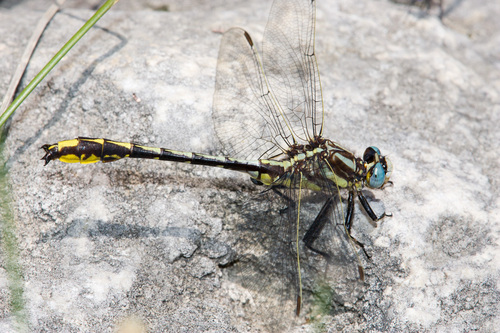
Ohio, US
You might spot Pronghorn Clubtail, Lark Sparrow, and Royal River Cruiser.
View guide →

Ohio, US
You might spot Dot-Tailed Whiteface and Common Whitetail.
View guide →

Maryland, US
You might spot Giraffes, Tiger, and White Tiger.
View guide →
Take the discovery with you
Snap it with Snappit to identify it, learn what makes it special, and add the discovery to your collection.







.jpg&width=800)



_001.jpg&width=800)




